





What are the impacts of Distribution Transformers on power system stability?
Sep 08, 2025
Leave a message
Distribution transformers play a crucial role in power systems, acting as the bridge between high - voltage transmission networks and low - voltage distribution networks. As a supplier of distribution transformers, I have witnessed firsthand the significant impacts these transformers have on power system stability. In this blog, I will delve into the various ways distribution transformers influence power system stability.
1. Voltage Regulation
One of the primary functions of distribution transformers is voltage regulation. In a power system, maintaining a stable voltage level is essential for the proper operation of electrical equipment. Distribution transformers step down the high - voltage electricity from the transmission network to a lower voltage suitable for end - users. By doing so, they ensure that the voltage supplied to homes, businesses, and industries remains within an acceptable range.
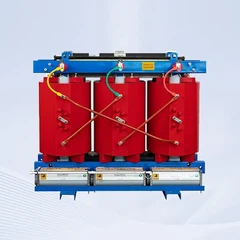
For example, in an area with a long distribution line, there may be significant voltage drops. A well - designed distribution transformer can compensate for these drops by adjusting the output voltage. This is particularly important for sensitive electronic equipment, which can malfunction or be damaged if the voltage is too high or too low. Our Power Distribution Transformer is engineered to provide precise voltage regulation, ensuring stable power supply to consumers.
2. Load Balancing
Distribution transformers also contribute to load balancing in the power system. Different areas and consumers have varying power demands at different times. By strategically placing distribution transformers and adjusting their capacities, power utilities can distribute the load evenly across the network.
For instance, during peak hours, the demand for electricity in commercial areas may be much higher than in residential areas. Distribution transformers can be used to transfer power from areas with lower demand to those with higher demand, preventing overloading of the network. Our company offers a range of distribution transformers with different capacities to meet the diverse load requirements of different regions, helping to maintain a balanced power system.
3. Fault Isolation
In the event of a fault in the power system, such as a short - circuit or an overload, distribution transformers can act as a barrier to prevent the spread of the fault. They are designed with protective devices, such as fuses and circuit breakers, that can isolate the faulty section of the network.
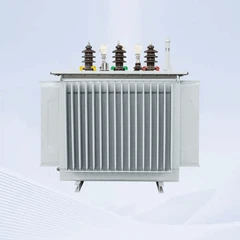
When a fault occurs, the protective devices in the distribution transformer will trip, cutting off the power supply to the affected area. This not only protects the equipment in the faulty section but also prevents the fault from affecting other parts of the power system. Our High Voltage Distribution Transformer is equipped with advanced protective features to ensure reliable fault isolation and enhance power system stability.
4. Power Quality Improvement
Power quality is an important aspect of power system stability. Distribution transformers can help improve power quality by reducing harmonics and voltage fluctuations.
Harmonics are unwanted frequencies in the electrical system that can cause overheating, interference, and premature failure of electrical equipment. Distribution transformers can filter out some of these harmonics, ensuring a cleaner power supply. Additionally, they can smooth out voltage fluctuations, providing a more stable voltage to consumers. Our Amorphous Alloy Distribution Transformer is known for its excellent performance in power quality improvement, thanks to its unique core material and design.
5. Integration of Renewable Energy Sources
With the increasing adoption of renewable energy sources, such as solar and wind power, distribution transformers play a vital role in integrating these sources into the power system. Renewable energy generation is often intermittent, and the power output can vary depending on weather conditions.
Distribution transformers can help manage the power flow from renewable energy sources, ensuring that the electricity generated is efficiently integrated into the grid. They can also provide voltage support and frequency regulation to maintain the stability of the power system when there are fluctuations in renewable energy generation. Our company is committed to developing distribution transformers that are compatible with renewable energy systems, facilitating the transition to a more sustainable power system.


6. Impact on System Resilience
The reliability and performance of distribution transformers have a direct impact on the resilience of the power system. A well - maintained and properly functioning distribution transformer can withstand various disturbances, such as storms, earthquakes, and electrical surges.
In the face of natural disasters or other emergencies, distribution transformers can continue to supply power to critical facilities, such as hospitals, water treatment plants, and emergency shelters. This helps to minimize the impact of the disaster on the community and ensures the continuity of essential services. Our distribution transformers are designed to meet high - quality standards and are built to be durable and resilient, providing reliable power supply even in challenging environments.
7. Challenges and Solutions
Despite the many benefits that distribution transformers bring to power system stability, there are also some challenges. One of the main challenges is the aging infrastructure of distribution transformers in many regions. Older transformers may have lower efficiency, higher losses, and are more prone to failures.
To address this issue, power utilities need to invest in the replacement and upgrade of aging distribution transformers. Our company offers a comprehensive range of modern distribution transformers that are more energy - efficient, reliable, and have a longer service life. We also provide maintenance and repair services to help power utilities extend the lifespan of their existing transformers.
Another challenge is the increasing demand for electricity, which puts more pressure on the power system. As the demand grows, distribution transformers need to be able to handle higher loads without compromising stability. Our company is constantly researching and developing new technologies to improve the capacity and performance of distribution transformers, ensuring that they can meet the future energy needs of the society.
Conclusion
In conclusion, distribution transformers have a profound impact on power system stability. They play a crucial role in voltage regulation, load balancing, fault isolation, power quality improvement, integration of renewable energy sources, and system resilience. As a supplier of distribution transformers, we are committed to providing high - quality products and solutions to help power utilities maintain a stable and reliable power system.
If you are in the market for distribution transformers or need more information about our products and services, please feel free to contact us for procurement and negotiation. We look forward to working with you to ensure the stability and efficiency of your power system.
References
- Electric Power Systems: Analysis and Control by Marcelo J. Romero
- Power System Engineering by Nagrath and Kothari
- Distribution System Modeling and Analysis by C. E. W. Stein
Send Inquiry