





What are the measures to make Distribution Transformers more climate - resilient?
Jun 17, 2025
Leave a message
Hey there! As a supplier of distribution transformers, I've been thinking a lot about how we can make these essential pieces of equipment more climate - resilient. In this blog, I'm gonna share some measures that we can take to achieve this goal.
1. Material Selection
The first step in making distribution transformers more climate - resilient is choosing the right materials. For the core, we need to use high - quality magnetic materials that can withstand extreme temperatures. Amorphous metal cores are a great option here. They have lower core losses compared to traditional silicon steel cores, which means less heat is generated during operation. This is crucial, especially in hot climates where overheating can be a major issue.
When it comes to the insulation materials, we should opt for those with high thermal resistance and moisture resistance. For example, some advanced synthetic insulation materials can maintain their electrical properties even in high - humidity environments. This helps prevent insulation breakdown, which is a common problem in areas with high rainfall or near bodies of water.
2. Design for Extreme Temperatures
Extreme temperatures, both hot and cold, can take a toll on distribution transformers. In hot climates, we need to design transformers with better cooling systems. One way is to increase the surface area of the radiator fins. Larger and more efficient radiator fins can dissipate heat more effectively, keeping the transformer at a safe operating temperature.
In cold climates, on the other hand, we need to ensure that the transformer oil doesn't freeze. We can use special low - pour - point transformer oils that remain fluid even at very low temperatures. Additionally, we can design the transformer with heaters to prevent the oil from solidifying during cold snaps.
3. Protection Against Moisture and Corrosion
Moisture is one of the biggest enemies of distribution transformers. It can cause insulation degradation, short circuits, and other serious problems. To protect against moisture, we can use sealed enclosures. These enclosures prevent water from getting inside the transformer and damaging its components.
Corrosion is another issue, especially in coastal areas or industrial regions with high levels of pollution. We can apply anti - corrosion coatings to the transformer's external surfaces. These coatings act as a barrier, protecting the metal parts from rust and other forms of corrosion.
4. Adaptation to High Wind and Seismic Activity
In areas prone to high winds, we need to design transformers with a strong mechanical structure. This includes using sturdy frames and mounting systems that can withstand the force of the wind. We can also add wind - deflecting devices to reduce the impact of wind on the transformer.
For regions with seismic activity, we need to ensure that the transformer is properly secured. This can involve using seismic - resistant mounting brackets and flexible connections to prevent damage during an earthquake.
5. Smart Monitoring and Maintenance
Smart monitoring systems are becoming increasingly important in making distribution transformers more climate - resilient. These systems can continuously monitor the transformer's temperature, oil level, and other key parameters. By collecting and analyzing this data, we can detect potential problems early and take preventive measures.
Regular maintenance is also crucial. We should schedule routine inspections to check for any signs of wear and tear, damage, or corrosion. By addressing these issues promptly, we can extend the lifespan of the transformer and ensure its reliable operation in changing climate conditions.
Our Product Offerings
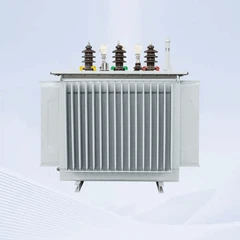
At our company, we have a wide range of distribution transformers that are designed with climate resilience in mind. For example, our S20 200kVA Oil Immersed Distribution Transformers are built with high - quality materials and advanced cooling systems to perform well in various climates.
Our Oil Type Distribution Transformer is another great option. It features a sealed enclosure to protect against moisture and corrosion, making it suitable for harsh environments.
And if you're looking for a transformer for pole - mounted applications, our Singlle Phase Pole Mounted Distribution Transformer is designed to withstand high winds and other environmental challenges.
Conclusion
Making distribution transformers more climate - resilient is not only important for the reliable operation of the power grid but also for reducing the environmental impact of these devices. By implementing the measures I've discussed in this blog, we can ensure that our transformers can withstand the challenges posed by a changing climate.


If you're interested in our distribution transformers or have any questions about making your power infrastructure more climate - resilient, feel free to reach out. We're always here to help you find the best solutions for your needs.
References
- "Transformer Engineering: Design, Technology, and Diagnostics" by George Karady and John McCalley
- "Power System Protection and Automation" by M. E. El-Hawary
Send Inquiry