





What are the requirements for the oil in oil - immersed Distribution Transformers?
Jun 24, 2025
Leave a message
Hey there! I'm a supplier of distribution transformers, and today I wanna chat about the requirements for the oil in oil - immersed distribution transformers. It's super important stuff, so let's dive right in.
First off, let's understand why oil is used in these transformers. Oil serves two main purposes. One, it acts as an insulator, preventing electrical currents from leaking out and keeping the transformer safe to operate. Two, it helps in cooling. Transformers generate a lot of heat during operation, and the oil absorbs this heat and transfers it away from the active parts of the transformer.
Electrical Properties
The electrical properties of the oil are crucial. The dielectric strength of the oil is a key factor. Dielectric strength is basically the ability of the oil to withstand electrical stress without breaking down. A high dielectric strength means that the oil can handle high voltages without allowing arcing or short - circuits. For oil - immersed distribution transformers, the dielectric strength should typically be above a certain level. Usually, a dielectric strength of around 30 kV (kilovolts) or higher is desired. This ensures that the transformer can operate safely under normal and even some abnormal electrical conditions.
Another important electrical property is the dissipation factor. The dissipation factor measures the amount of electrical energy that is dissipated as heat in the oil when an alternating current is applied. A low dissipation factor is ideal. A high dissipation factor can lead to excessive heating of the oil, which can in turn damage the transformer insulation over time. Generally, the dissipation factor should be kept as low as possible, often less than 0.005 at a specific temperature (usually around 90°C).
Chemical Properties
Chemically, the oil in oil - immersed distribution transformers needs to be stable. It should not react easily with the materials inside the transformer, such as the copper windings and the insulation paper. Oxidation stability is a major concern. When the oil oxidizes, it forms sludge and acids. Sludge can clog the cooling channels in the transformer, reducing its cooling efficiency. Acids can corrode the internal components of the transformer.
To improve oxidation stability, antioxidants are often added to the oil. These antioxidants slow down the oxidation process and extend the lifespan of the oil. The oil should also have a low water content. Water can significantly reduce the dielectric strength of the oil and promote the growth of bacteria and fungi, which can further damage the transformer. Typically, the water content in the oil should be less than 50 parts per million (ppm).
Physical Properties
The viscosity of the oil is an important physical property. Viscosity affects the flow of the oil inside the transformer. If the oil is too viscous, it won't flow easily, and the cooling efficiency will be reduced. On the other hand, if the oil is too thin, it may not provide adequate insulation. The viscosity of the oil should be within a certain range at different operating temperatures. For example, at normal operating temperatures (around 40 - 60°C), the viscosity should allow for smooth circulation of the oil through the transformer's cooling system.
The flash point of the oil is also crucial. The flash point is the lowest temperature at which the oil gives off enough vapor to form an ignitable mixture with air. A high flash point is desirable for safety reasons. A transformer oil should have a flash point of at least 140°C or higher. This reduces the risk of fire in case of any electrical faults that could potentially cause the oil to heat up.


Compatibility with Transformer Components
The oil must be compatible with all the components of the distribution transformer. It should not cause any swelling, shrinking, or degradation of the insulation materials. For example, the insulation paper used in transformers is very sensitive to the oil. If the oil is not compatible with the paper, it can cause the paper to lose its insulating properties over time.
Now, let me tell you a bit about the different types of distribution transformers we offer. We have Single Phase Pole Type Distribution Transformer. These are great for rural and suburban areas where the power demand is relatively low and can be easily mounted on poles. They are compact and easy to install.
We also have Pad Mounted Distribution Transformers. These are designed for urban and industrial areas. They are installed on a concrete pad and are more suitable for areas where space is limited or where there is a need for a more protected installation.
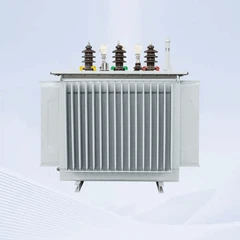
And if you're looking for a specific model, our 125KVA 11KV Three - phase Oil - immersed Distribution Transformer is a popular choice. It offers reliable power distribution for medium - sized commercial and industrial applications.
If you're in the market for distribution transformers or have any questions about the oil requirements or the transformers themselves, don't hesitate to reach out. We're here to help you find the best solution for your power distribution needs. Whether you're a small business owner, an electrical contractor, or part of a large utility company, we can provide the right transformers and the knowledge to keep them running smoothly.
References
- Electrical Insulation for Rotating Machines: Design, Evaluation, Aging, Testing, and Repair by G. C. Stone, E. A. Boulter, I. Culbert, and L. S. Schofield.
- Transformer Engineering: Design, Technology, and Diagnostics by T. A. Lipo.
Send Inquiry