





What are the standards and regulations for Amorphous Metal Transformers?
May 22, 2025
Leave a message
Hey there! As a supplier of Amorphous Metal Transformers, I've got a lot to share about the standards and regulations surrounding these amazing pieces of equipment. So, let's dive right in!
What are Amorphous Metal Transformers?
First off, for those who might not be super familiar, Amorphous Metal Transformers are a type of transformer that uses amorphous metal in their cores. This special metal has unique magnetic properties that make these transformers more energy - efficient compared to traditional ones. They're great for reducing power losses, which is not only good for the environment but also for your wallet in the long run.
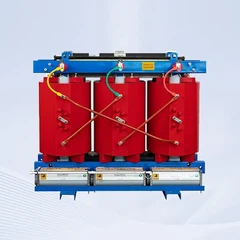
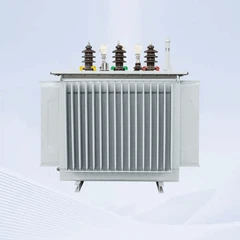
We offer a range of products, like the Amorphous Core Transformer, S(B)H15 Three Phase Amorphous Alloy Distribution Transformer, and Oil - Immersed Amorphous Alloy Transformer. Each of these has its own features and is designed to meet different needs.
International Standards
When it comes to international standards, there are several key ones that Amorphous Metal Transformers need to comply with.
IEC Standards
The International Electrotechnical Commission (IEC) sets a bunch of standards that are widely recognized around the world. For example, IEC 60076 series deals with power transformers. These standards cover aspects like electrical safety, performance, and testing methods.
One of the important things in these standards is the efficiency requirements. Amorphous Metal Transformers are expected to have lower no - load losses compared to traditional transformers. The IEC standards ensure that the transformers we produce can be used safely and effectively in various electrical systems globally.
IEEE Standards
The Institute of Electrical and Electronics Engineers (IEEE) also has its own set of standards. IEEE C57 series focuses on power transformers. These standards are very detailed and cover everything from design and manufacturing to installation and maintenance.
For Amorphous Metal Transformers, the IEEE standards pay special attention to the unique properties of amorphous metal. They make sure that the transformers are designed to take full advantage of the low - loss characteristics of this material.
National Standards
Different countries also have their own national standards for transformers.
China
In China, the GB standards play a crucial role. For example, GB/T 22072 - 2008 specifically addresses amorphous alloy distribution transformers. This standard defines the technical requirements, test methods, inspection rules, and marking, packaging, transportation, and storage requirements for these transformers.
Chinese standards are quite strict when it comes to energy efficiency. They encourage the use of high - efficiency transformers like Amorphous Metal Transformers to reduce the overall energy consumption of the country.
United States
The US has standards set by the Department of Energy (DOE). These standards are mainly focused on energy efficiency. They require transformers to meet certain minimum efficiency levels. Amorphous Metal Transformers often have an edge here because of their low - loss nature, which helps them easily meet or even exceed these requirements.
Regulations and Their Impact
Regulations are not just a bunch of rules on paper. They have a real impact on the production and use of Amorphous Metal Transformers.
Production
From a production perspective, the standards and regulations force us as suppliers to be very careful about the materials we use and the manufacturing processes. We need to make sure that every transformer we produce meets the specified requirements. This means investing in high - quality testing equipment and well - trained staff.
For example, we have to test the no - load losses, load losses, and insulation resistance of each transformer according to the relevant standards. If a transformer fails to meet the requirements, it can't be shipped out.
Market
In the market, the standards and regulations help consumers make informed decisions. When a consumer sees that a transformer meets certain international or national standards, they can have more confidence in its quality and performance.
It also creates a level playing field for suppliers. Those who can meet the standards are more likely to succeed in the market, while those who can't will be left behind.
Why Choose Our Amorphous Metal Transformers?
Now, you might be wondering why you should choose our Amorphous Metal Transformers. Well, first of all, we strictly follow all the international and national standards and regulations. Our products are tested and certified to ensure they meet the highest quality and performance requirements.
We also offer excellent after - sales service. If you have any problems with our transformers, our team of experts will be there to help you out. And because our transformers are energy - efficient, you'll save money on your electricity bills in the long run.


Let's Talk!
If you're interested in our Amorphous Metal Transformers or have any questions about the standards and regulations, don't hesitate to reach out. Whether you're a small business owner looking for a reliable power solution or a large utility company in need of high - quality transformers, we've got you covered. Let's start a conversation and see how we can meet your needs.
References
- International Electrotechnical Commission (IEC). IEC 60076 series.
- Institute of Electrical and Electronics Engineers (IEEE). IEEE C57 series.
- National Standard of China. GB/T 22072 - 2008.
- United States Department of Energy (DOE) standards for transformers.
Send Inquiry