


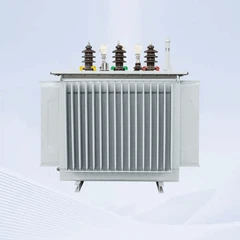




How to improve the power factor of pole mounted transformers?
May 22, 2025
Leave a message
As a supplier of pole mounted transformers, I understand the significance of power factor in the efficient operation of these transformers. Power factor is a crucial parameter that measures how effectively electrical power is being utilized in a system. A low power factor can lead to increased energy losses, higher electricity bills, and reduced overall system efficiency. In this blog post, I will discuss several strategies on how to improve the power factor of pole mounted transformers.
Understanding Power Factor
Before delving into the methods of improving power factor, it's essential to understand what power factor is. Power factor (PF) is the ratio of real power (P), which is the power that actually does useful work, to apparent power (S), which is the product of voltage and current in an AC circuit. Mathematically, it is expressed as PF = P/S. A power factor of 1 (or 100%) indicates that all the electrical power is being used effectively, while a lower power factor means that a portion of the power is being wasted as reactive power (Q).
Reactive power is necessary for the operation of inductive loads such as motors, transformers, and fluorescent lights. However, it does not perform any useful work and can cause additional losses in the electrical system. Pole mounted transformers are often connected to a variety of inductive loads, which can result in a low power factor.
Causes of Low Power Factor in Pole Mounted Transformers
There are several factors that can contribute to a low power factor in pole mounted transformers:
- Inductive Loads: As mentioned earlier, inductive loads such as motors, transformers, and fluorescent lights require reactive power to operate. When these loads are connected to the transformer, they draw both real and reactive power, resulting in a lower power factor.
- Overloading: Overloading a pole mounted transformer can cause the current to increase, leading to a higher reactive power demand and a lower power factor.
- Poor Load Management: Inefficient load management, such as leaving equipment running when not in use or using equipment that is not properly sized for the load, can also contribute to a low power factor.
- Aging Equipment: Older pole mounted transformers and electrical equipment may have a lower power factor due to wear and tear over time.
Strategies to Improve Power Factor
Now that we understand the causes of low power factor, let's discuss some strategies to improve it:
1. Install Capacitor Banks
One of the most common and effective ways to improve the power factor of pole mounted transformers is by installing capacitor banks. Capacitors are devices that store and release electrical energy, and they can be used to counteract the reactive power drawn by inductive loads. When a capacitor bank is connected in parallel with the inductive load, it supplies the reactive power needed by the load, reducing the amount of reactive power that needs to be drawn from the transformer. This results in a higher power factor and reduced energy losses.
Capacitor banks can be installed at the transformer level or at the load level, depending on the specific requirements of the system. At the transformer level, capacitor banks can be installed on the primary or secondary side of the transformer to improve the overall power factor of the system. At the load level, capacitor banks can be installed directly at the inductive load to compensate for the reactive power drawn by that specific load.
For example, if you have a pole mounted transformer that is supplying power to a factory with a large number of motors, installing a capacitor bank at the transformer level can help improve the power factor of the entire factory. On the other hand, if you have a single large motor in a building, installing a capacitor bank at the motor can help improve the power factor of that specific motor.
2. Use Power Factor Correction Equipment
In addition to capacitor banks, there are other types of power factor correction equipment available that can be used to improve the power factor of pole mounted transformers. These include static VAR compensators (SVCs) and dynamic VAR generators (DVGs).
SVCs are devices that can rapidly adjust the reactive power output to maintain a constant power factor. They consist of a combination of capacitors and reactors that can be switched on and off to provide the necessary reactive power compensation. SVCs are particularly useful in applications where the load is highly variable, such as in industrial plants or large commercial buildings.
DVGs, on the other hand, are more advanced power factor correction devices that can generate reactive power on demand. They use power electronics technology to control the flow of reactive power and can provide a more precise and dynamic response to changes in the load. DVGs are often used in applications where a high level of power factor correction is required, such as in power grids or large data centers.
3. Implement Load Management Strategies
Another effective way to improve the power factor of pole mounted transformers is by implementing load management strategies. This involves optimizing the use of electrical equipment to reduce the demand for reactive power. Some load management strategies that can be implemented include:
- Scheduling Equipment Usage: By scheduling the operation of electrical equipment during off-peak hours, you can reduce the overall demand for power and improve the power factor. For example, you can schedule the operation of large motors or other high-power equipment during times when the demand for electricity is low.
- Using Energy-Efficient Equipment: Replacing old and inefficient electrical equipment with new, energy-efficient models can help reduce the demand for reactive power and improve the power factor. Energy-efficient equipment typically has a higher power factor and consumes less energy than older models.
- Properly Sizing Equipment: Ensuring that electrical equipment is properly sized for the load can also help improve the power factor. Over-sized equipment can draw more reactive power than necessary, while under-sized equipment can lead to overloading and a lower power factor.
4. Regular Maintenance and Monitoring
Regular maintenance and monitoring of pole mounted transformers and electrical equipment are essential for maintaining a high power factor. This includes checking the insulation resistance, oil quality, and temperature of the transformer, as well as inspecting the electrical connections and grounding system. By detecting and addressing any issues early on, you can prevent problems that can lead to a low power factor.


In addition to regular maintenance, it's also important to monitor the power factor of the system on a regular basis. This can be done using power factor meters or other monitoring devices. By monitoring the power factor, you can identify any trends or changes in the system and take appropriate action to improve it.
Conclusion
Improving the power factor of pole mounted transformers is essential for ensuring the efficient operation of the electrical system. By understanding the causes of low power factor and implementing the strategies discussed in this blog post, you can reduce energy losses, lower electricity bills, and improve the overall reliability of the system.
As a supplier of pole mounted transformers, we offer a wide range of products that are designed to meet the specific needs of our customers. Our 50 KVA 120/240V Power Pole Transformer and 25kVA 120/240V Pole Mounted Current Transformer are built to high standards and are suitable for a variety of applications. We also offer Pole Mounted Mild Steel Distribution Power Transformers that are durable and reliable.
If you are interested in improving the power factor of your pole mounted transformers or have any other questions about our products, please feel free to contact us. We would be happy to discuss your requirements and provide you with a customized solution.
References
- Chapman, S. J. (2012). Electric Machinery Fundamentals. McGraw-Hill Education.
- Grob, B., & Schilling, C. F. (2007). Basic Electronics. McGraw-Hill Education.
- National Electrical Code (NEC). (2020). NFPA 70. National Fire Protection Association.
Send Inquiry