

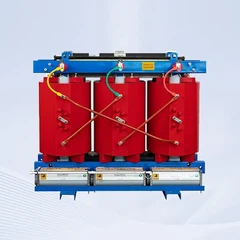
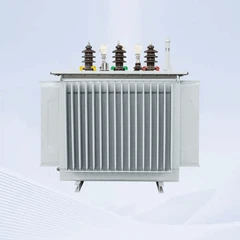




What factors affect the price of dry type transformers?
Aug 19, 2025
Leave a message
Hey there! As a supplier of dry type transformers, I've been in the thick of the industry for quite a while. And one question that always pops up is, "What factors affect the price of dry type transformers?" Well, let's dive right in and break it down.
Raw Material Costs
First off, raw materials play a huge role in determining the price of dry type transformers. The main materials used in these transformers are copper, steel, and insulation materials. Copper is a key component in the windings of the transformer. It's an excellent conductor of electricity, but its price can be quite volatile. When the global copper market experiences fluctuations, it directly impacts the cost of manufacturing dry type transformers. For example, if there's a sudden increase in copper demand from other industries like construction or electronics, the price of copper goes up, and so does the price of our transformers.
Steel is another important material. It's used for the core of the transformer. The quality and type of steel can vary, and higher - quality steel with better magnetic properties will cost more. Insulation materials are crucial for ensuring the safety and performance of the transformer. High - grade insulation materials that can withstand high temperatures and electrical stress are more expensive, but they also contribute to a longer - lasting and more reliable transformer.
Design and Technology
The design and technology incorporated into a dry type transformer can have a significant impact on its price. Transformers with advanced designs that offer better efficiency, lower losses, and higher power density generally cost more. For instance, some modern dry type transformers are designed with special cooling systems that can dissipate heat more effectively. These cooling systems might use advanced fans or heat exchangers, which add to the manufacturing cost but also improve the overall performance of the transformer.
Newer technologies, such as the use of intelligent monitoring systems, can also drive up the price. These systems allow for real - time monitoring of the transformer's operating parameters, such as temperature, voltage, and current. This helps in early detection of potential problems and preventive maintenance, but the sensors and software required for these systems are not cheap.
Power Rating
The power rating of a dry type transformer is a major factor in its pricing. A higher - power - rated transformer can handle more electrical load, and it requires more materials and a larger physical size. For example, a 400KVA 420KVA Rectifier Transformer is designed to handle a significant amount of power, and it will be more expensive than a lower - power - rated transformer. The windings need to be larger and made of more copper to carry the higher current, and the core also needs to be larger to handle the magnetic flux.
Similarly, a 30 - 2500KVA/10KV Dry - type Three - phase Double - winding Non - Excited Voltage Regulating Distribution Transformer with a higher power rating within that range will cost more due to the increased material requirements and more complex manufacturing processes.
Manufacturing Process
The manufacturing process of dry type transformers can vary in complexity and cost. Precision manufacturing techniques are required to ensure the quality and performance of the transformers. For example, the winding process needs to be done accurately to ensure proper electrical insulation and magnetic coupling. Automated manufacturing processes can improve the consistency and quality of the transformers, but they also require a significant investment in machinery and equipment.
Quality control is another important aspect of the manufacturing process. Rigorous testing procedures, such as high - voltage testing, temperature rise testing, and partial discharge testing, are carried out to ensure that the transformers meet the required standards. These testing processes add to the overall cost of production but are essential for delivering a reliable product.
Market Demand and Competition
Market demand and competition also influence the price of dry type transformers. When the demand for dry type transformers is high, and the supply is limited, the prices tend to go up. This can happen during periods of rapid industrial growth or large - scale infrastructure projects. On the other hand, in a highly competitive market, suppliers may lower their prices to gain market share.
However, it's important to note that not all low - priced transformers are of good quality. As a supplier, we focus on providing high - quality transformers at a reasonable price. We understand that our customers need reliable products that will last for a long time, and we're willing to invest in the right materials and manufacturing processes to achieve that.
Customization
Many customers have specific requirements for their dry type transformers, and customization can add to the price. Custom - designed transformers need to be tailored to meet the exact specifications of the customer, such as special voltage ratings, mounting arrangements, or protection features. For example, a customer might need a 250kVA 3 Phase Step Down Transformer with a unique output voltage or a specific enclosure design. The engineering and manufacturing efforts required for customization are additional costs that are passed on to the customer.
Regulatory Requirements
Regulatory requirements can also affect the price of dry type transformers. Different countries and regions have their own standards and regulations regarding electrical safety, energy efficiency, and environmental protection. Transformers need to comply with these regulations, which may require additional features or materials. For example, some regulations mandate the use of environmentally friendly insulation materials or limit the amount of energy losses in the transformer. Meeting these requirements can increase the manufacturing cost.


So, as you can see, there are many factors that affect the price of dry type transformers. At our company, we strive to offer the best value for our customers. We carefully select our raw materials, invest in the latest technology, and ensure strict quality control in our manufacturing process.
If you're in the market for a dry type transformer, whether it's a standard model or a custom - designed one, we'd love to talk to you. We can provide you with detailed information about our products, answer any questions you may have, and give you a competitive quote. Contact us to start the procurement process and let's find the perfect dry type transformer for your needs.
References
- Electrical Power Systems Engineering textbooks
- Industry reports on the dry type transformer market
- Manufacturer's specifications and technical documentation
Send Inquiry