





What cooling methods are used for Amorphous Metal Transformers?
Aug 18, 2025
Leave a message
Hey there! As a supplier of Amorphous Metal Transformers, I'm super stoked to dive into the topic of what cooling methods are used for these amazing pieces of equipment. Amorphous metal transformers have gained a lot of popularity in recent years due to their energy - efficient nature. But just like any other transformer, they generate heat during operation, and proper cooling is crucial to ensure their optimal performance and longevity.
Let's start with one of the most common cooling methods: air cooling. Air cooling is a simple and cost - effective way to keep amorphous metal transformers in check. There are two main types of air - cooled transformers: self - air cooled (AN) and forced - air cooled (AF).
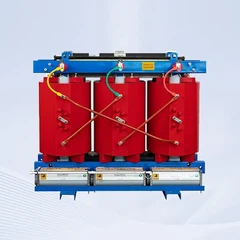
Self - air cooled transformers rely on natural convection to dissipate heat. The heat generated by the transformer causes the air around it to heat up and rise. As the hot air rises, cooler air from the surroundings moves in to replace it. This continuous cycle helps in transferring the heat away from the transformer. These transformers are great for small - to medium - sized applications where the heat load is relatively low. For instance, in some residential areas or small commercial buildings, self - air cooled amorphous metal transformers can do the job just fine. You can check out our SCBH15 Amorphous Alloy Dry Type Transformer, which is an excellent example of a self - air cooled option. It's designed to be energy - efficient and can handle moderate power requirements with the help of natural air circulation.
On the other hand, forced - air cooled transformers take air cooling to the next level. They use fans to blow air over the transformer's coils and core. This forced air movement significantly increases the rate of heat transfer. The fans can be controlled based on the temperature of the transformer. When the temperature rises above a certain set point, the fans kick in to provide additional cooling. This method is suitable for larger transformers or applications where the heat generation is higher. Our SC(B)H15 Series Amorphous Alloy Dry Type Transformer can be configured with forced - air cooling for those situations where you need that extra cooling power.
Another cooling method that's widely used is oil cooling. Oil - cooled amorphous metal transformers use a special type of insulating oil to transfer heat away from the transformer's core and coils. The oil has excellent thermal conductivity properties, which means it can absorb a large amount of heat quickly.


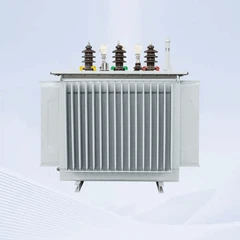
There are two types of oil - cooled transformers: oil - immersed self - cooled (ONAN) and oil - immersed forced - cooled (ONAF). In an ONAN transformer, the oil circulates naturally within the transformer tank. As the oil near the core and coils heats up, it rises to the top of the tank. Cooler oil from the bottom then moves in to replace it. This natural circulation helps in transferring the heat to the tank walls, from where it is dissipated into the surrounding air.
For applications with higher heat loads, ONAF transformers come into play. These transformers have pumps that force the oil to circulate through the transformer more quickly. Additionally, they may also have radiators or heat exchangers to enhance the cooling process. The pumps and radiators work together to ensure that the heat is removed efficiently from the transformer. Our S(B)H15 - M Series Amorphous Alloy Transformers can be offered with oil - cooling options, providing reliable performance even in high - demand scenarios.
Water cooling is also an option, although it's not as commonly used as air or oil cooling. Water - cooled transformers use water as a coolant. The water absorbs the heat from the transformer and then transfers it to a cooling tower or a heat exchanger. Water has a very high specific heat capacity, which means it can absorb a large amount of heat without a significant increase in temperature. This makes it an efficient coolant. However, water - cooling systems are more complex and expensive to install and maintain. They also require a reliable source of water, which can be a limitation in some areas.
When choosing a cooling method for an amorphous metal transformer, several factors need to be considered. The size and power rating of the transformer are important. Larger transformers generally generate more heat and may require more advanced cooling methods. The environment in which the transformer will be installed also matters. If the transformer is located in a hot and humid area, a more efficient cooling system may be needed to prevent overheating.
Cost is another crucial factor. Air - cooling systems are usually the most cost - effective option, especially for smaller transformers. Oil - cooling systems are more expensive to install and maintain due to the cost of the oil, pumps, and radiators. Water - cooling systems are the most expensive in terms of installation and operation.
Maintenance requirements also vary depending on the cooling method. Air - cooled transformers require regular inspection of the fans and air filters to ensure proper air circulation. Oil - cooled transformers need periodic oil testing and replacement to maintain the quality of the oil and prevent contamination. Water - cooled transformers need to have their water treatment systems maintained to prevent corrosion and scaling.
In conclusion, choosing the right cooling method for an amorphous metal transformer is essential for its performance and longevity. Whether it's air cooling, oil cooling, or water cooling, each method has its own advantages and disadvantages. As a supplier, we at [Company Name] are here to help you make the best decision based on your specific needs.
If you're interested in learning more about our amorphous metal transformers or have any questions regarding the cooling methods, don't hesitate to reach out. We'd be more than happy to discuss your requirements and assist you in finding the perfect transformer solution for your project. Let's work together to make your power distribution more efficient and reliable!
References
- IEEE Standard for Liquid - Immersed Distribution, Power, and Regulating Transformers
- IEC Standards on Dry - Type Transformers
- Technical documents on amorphous metal transformers from major manufacturers
Send Inquiry