


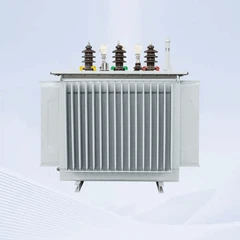
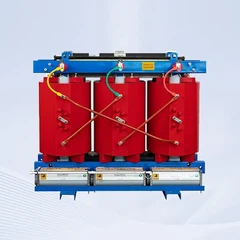





What is the capacity of a typical substation transformer?
Aug 18, 2025
Leave a message
What is the capacity of a typical substation transformer?
As a supplier of substation transformers, I often get asked about the capacity of a typical substation transformer. The capacity of a substation transformer is a crucial factor in determining its suitability for various electrical applications. In this blog post, I'll delve into the details of substation transformer capacity, what influences it, and how it impacts different electrical systems.
Understanding Transformer Capacity
Transformer capacity is typically measured in volt - amperes (VA), kilovolt - amperes (kVA), or megavolt - amperes (MVA). It represents the amount of electrical power that a transformer can handle without overheating or experiencing excessive losses. A higher capacity transformer can transfer more electrical energy from the primary side to the secondary side.
The capacity of a substation transformer depends on several factors. One of the most significant factors is the load it is expected to serve. For instance, in a residential area, the demand for electricity is relatively stable and moderate. A substation transformer serving a small to medium - sized neighborhood might have a capacity ranging from 100 kVA to 500 kVA. These transformers are designed to handle the combined electrical load of homes, including lighting, appliances, and small heating or cooling systems.
On the other hand, industrial areas have much higher and more variable electrical demands. Factories often use large - scale machinery, motors, and other power - hungry equipment. As a result, substation transformers in industrial zones usually have capacities in the range of several MVA. For example, a medium - sized manufacturing plant might require a transformer with a capacity of 2 MVA to 5 MVA, while a large industrial complex could need transformers with capacities of 10 MVA or more.
Types of Substation Transformers and Their Capacities
There are different types of substation transformers, each with its own typical capacity range.
Step - down Transformers
Step - down transformers are used to reduce the high - voltage electricity from the power grid to a lower voltage suitable for local distribution. In a typical urban distribution substation, step - down transformers are commonly found. The capacities of these transformers can vary widely. For a small local distribution substation serving a few streets or a small commercial area, the capacity might be around 250 kVA to 1 MVA.
In larger urban or suburban areas, where there is a higher density of residential and commercial buildings, step - down transformers can have capacities of 2 MVA to 10 MVA. These transformers ensure that the electricity is safely and efficiently distributed to end - users at the appropriate voltage levels.
Step - up Transformers
Step - up transformers are used at power generation plants to increase the voltage of the electricity produced for efficient long - distance transmission. A Step - up Substation usually houses large - capacity transformers. Power plants can have step - up transformers with capacities ranging from 50 MVA to several hundred MVA. For example, a medium - sized thermal power plant might use step - up transformers with a capacity of 100 MVA to 200 MVA, while a large hydroelectric or nuclear power plant could have transformers with capacities exceeding 500 MVA.
Compact Secondary Substations
Compact Secondary Substations are designed for areas where space is limited, such as urban centers or small rural communities. These substations typically have relatively lower - capacity transformers. The capacity of transformers in compact secondary substations can range from 50 kVA to 500 kVA. They are engineered to provide reliable power supply in a more space - efficient manner.
Factors Affecting Transformer Capacity Selection
When selecting the capacity of a substation transformer, several factors need to be considered.
Load Growth Projections
It's essential to anticipate future load growth in the area served by the substation. If a neighborhood is expected to expand with new housing developments or a commercial area is likely to attract more businesses, a transformer with a larger capacity should be installed to accommodate the increased demand. Otherwise, the transformer may become overloaded in the future, leading to power outages and equipment damage.
Redundancy and Backup
In critical applications, such as hospitals, data centers, and some industrial facilities, redundancy is crucial. Multiple transformers are often installed to ensure continuous power supply. For example, in a hospital, two or more transformers might be used in parallel. Each transformer should have a capacity that can handle at least a significant portion of the total load so that if one transformer fails, the others can still provide power to keep essential services running.
Efficiency and Losses
Transformer efficiency is an important consideration. Higher - capacity transformers generally have lower losses per unit of power transferred. However, installing an oversized transformer can also lead to inefficiencies, especially when the load is much lower than the transformer's capacity. Therefore, it's necessary to find the right balance between capacity and efficiency to minimize energy losses and operating costs.


Our Offerings
As a substation transformer supplier, we offer a wide range of transformers with different capacities to meet the diverse needs of our customers. Our 35KV Compact Substation Transformer is a popular choice for many medium - sized applications. It combines a suitable capacity with a compact design, making it ideal for areas with space constraints.
Whether you are in charge of a small residential area, a large industrial complex, or a critical infrastructure project, we can provide you with the right substation transformer solution. Our team of experts can assist you in accurately determining the required capacity based on your specific load requirements, future growth projections, and other relevant factors.
Contact Us for Procurement
If you are interested in procuring substation transformers for your project, we encourage you to reach out to us. Our dedicated sales team is ready to discuss your needs in detail, provide you with technical specifications, and offer competitive pricing. We understand the importance of reliable power supply and are committed to delivering high - quality transformers that meet your expectations.
References
- Electric Power Substations Engineering, Third Edition by George J. Thaler
- Power System Analysis and Design, Fifth Edition by J. Duncan Glover, Mulukutla S. Sarma, and Thomas J. Overbye
Send Inquiry