





What is the moisture - resistance performance of dry type transformers?
Aug 18, 2025
Leave a message
Yo, folks! As a supplier of dry type transformers, I often get asked about the moisture - resistance performance of these bad boys. So, I thought I'd sit down and write a blog to give you the lowdown on this important aspect.
First off, let's talk about why moisture resistance matters. You see, transformers are the heart of many electrical systems. They step up or step down voltage to make sure electricity gets where it needs to go efficiently and safely. But moisture can be a real pain in the you - know - what for these machines.
Moisture can cause all sorts of problems. It can lead to insulation breakdown, which is a big deal because the insulation is what keeps the electrical currents in check. When the insulation fails, it can result in short - circuits, overheating, and even complete transformer failure. And trust me, you don't want that happening on your watch.
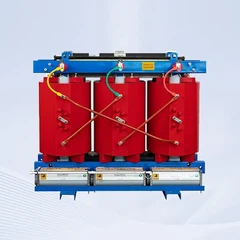
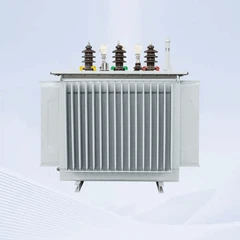
So, how do dry type transformers stack up when it comes to moisture resistance? Well, dry type transformers are designed to be pretty tough against moisture compared to their oil - filled counterparts. Unlike oil - filled transformers that use oil as an insulating and cooling medium, dry type transformers rely on solid insulation materials like epoxy resin.
Epoxy resin is a game - changer when it comes to moisture resistance. It forms a tight, protective layer around the transformer's windings. This layer acts as a barrier, preventing moisture from seeping in and causing damage. The resin is also very durable and can withstand a fair amount of wear and tear.
Another advantage of dry type transformers is that they don't have an oil reservoir. Oil can absorb moisture over time, and if that moisture isn't properly managed, it can cause problems. With dry type transformers, you don't have to worry about oil - related moisture issues, which simplifies maintenance and reduces the risk of moisture - induced failures.
But it's not just the insulation material that gives dry type transformers their moisture - resistant edge. These transformers are also often designed with ventilation systems. These systems help to keep the internal temperature of the transformer stable and can also expel any moisture that might find its way inside. By maintaining a proper temperature and air circulation, the ventilation system helps to prevent condensation, which is one of the main ways moisture can build up inside a transformer.
Now, let's take a look at some of our products and how they perform in terms of moisture resistance.
Our Customizable 10kv Amorphous Alloy Resin Insulated Dry - type Distribution Transformer is a top - notch choice. The amorphous alloy core in this transformer is not only energy - efficient but also works well in conjunction with the epoxy resin insulation. The resin insulation provides excellent moisture protection, and the design of the transformer allows for good ventilation, further enhancing its moisture - resistance capabilities.


Then we have the Dry Type Isolation Transformer. This transformer is built with high - quality insulation materials that are highly resistant to moisture. It's often used in applications where electrical isolation is required, and its moisture - resistance ensures reliable operation even in less - than - ideal environmental conditions.
And for those of you looking for an outdoor solution, our GNEE 750 KVA 3 Phase Outdoor Dry Type Transformer is a great option. It's specifically designed to withstand the elements, including moisture. The enclosure of this transformer is weather - resistant, and the internal insulation is engineered to keep moisture at bay. Whether it's rain, humidity, or even a bit of snow, this transformer can handle it.
Of course, while dry type transformers are pretty good at resisting moisture, it's still important to take some precautions. For example, if you're installing a dry type transformer in a very humid environment, you might want to consider using a dehumidifier in the transformer room. Also, regular inspections are a must. Check for any signs of moisture ingress, such as water stains or a change in the insulation's appearance.
In conclusion, dry type transformers have some great moisture - resistance features. Their solid insulation materials, lack of oil, and ventilation systems all contribute to their ability to withstand moisture. If you're in the market for a reliable, moisture - resistant transformer, our products are definitely worth considering.
If you're interested in learning more about our dry type transformers or have any questions about moisture resistance or other aspects of these products, don't hesitate to reach out. We're here to help you find the right transformer for your needs. Whether you're a small business owner or part of a large industrial operation, we've got the solutions you're looking for. So, let's start a conversation and see how we can work together to keep your electrical systems running smoothly.
References
- Electrical Transformer Handbook, various industry publications on transformer technology
- Manufacturer's specifications for dry type transformers
Send Inquiry