





What is the impact of ambient temperature on dry transformers?
Aug 15, 2025
Leave a message
As a seasoned supplier of dry transformers, I've witnessed firsthand the intricate relationship between ambient temperature and the performance of these crucial electrical devices. Dry transformers are widely used in various applications, including commercial buildings, industrial facilities, and renewable energy systems, due to their safety, reliability, and environmental friendliness. However, the ambient temperature can significantly impact their operation, efficiency, and lifespan. In this blog post, I'll delve into the effects of ambient temperature on dry transformers and share some insights on how to mitigate these impacts.
Understanding Dry Transformers
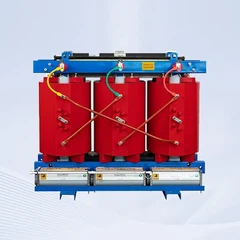
Before we explore the impact of ambient temperature, let's briefly review what dry transformers are and how they work. Dry transformers are electrical devices that transfer electrical energy between two or more circuits through electromagnetic induction. Unlike oil-filled transformers, dry transformers use air or a solid insulating material, such as epoxy resin, to insulate the windings. This makes them safer, more environmentally friendly, and suitable for indoor applications where oil spills could pose a risk.
Dry transformers are designed to operate within a specific temperature range, typically between -25°C and 40°C. The temperature rise of the transformer windings is limited by the insulation class, which determines the maximum allowable temperature for continuous operation. For example, a transformer with an insulation class of F can operate at a maximum temperature of 155°C, while a transformer with an insulation class of H can operate at a maximum temperature of 180°C.
Impact of Ambient Temperature on Dry Transformers
The ambient temperature can have several significant impacts on the performance and lifespan of dry transformers. Here are some of the key effects:
1. Temperature Rise
The ambient temperature directly affects the temperature rise of the transformer windings. As the ambient temperature increases, the temperature of the transformer windings also increases, which can reduce the insulation life and increase the risk of thermal breakdown. For example, if the ambient temperature exceeds the design limit, the transformer may experience overheating, which can lead to insulation degradation, short circuits, and even fire.
To mitigate the impact of ambient temperature on temperature rise, it's essential to ensure proper ventilation and cooling of the transformer. This can be achieved by installing the transformer in a well-ventilated area, providing adequate airflow around the transformer, and using cooling fans or heat exchangers if necessary.
2. Efficiency
The efficiency of a dry transformer is also affected by the ambient temperature. As the temperature increases, the resistance of the transformer windings increases, which can lead to higher losses and lower efficiency. This is because the power loss in the windings is proportional to the square of the current and the resistance of the windings. Therefore, as the temperature increases, the power loss also increases, resulting in lower efficiency.
To improve the efficiency of dry transformers in high ambient temperatures, it's important to select transformers with low losses and high efficiency ratings. Additionally, regular maintenance and inspection of the transformers can help identify and address any issues that may be affecting their efficiency.
3. Insulation Life
The insulation life of a dry transformer is closely related to the operating temperature. As the temperature increases, the rate of insulation degradation also increases, which can significantly reduce the lifespan of the transformer. This is because the insulation material can become brittle and crack over time, which can lead to electrical breakdown and failure.
To extend the insulation life of dry transformers, it's crucial to operate them within the recommended temperature range and to provide proper ventilation and cooling. Additionally, using high-quality insulation materials and following proper installation and maintenance procedures can help ensure the long-term reliability of the transformers.
4. Load Capacity
The load capacity of a dry transformer is also affected by the ambient temperature. As the temperature increases, the allowable load capacity of the transformer decreases, which can limit its ability to handle high loads. This is because the transformer needs to dissipate more heat at higher temperatures, which can reduce its ability to transfer electrical energy efficiently.
To ensure that dry transformers can handle the required load in high ambient temperatures, it's important to select transformers with a higher rated capacity than the expected load. Additionally, monitoring the load and temperature of the transformers can help prevent overloading and ensure their safe and reliable operation.
Mitigating the Impact of Ambient Temperature
To mitigate the impact of ambient temperature on dry transformers, several measures can be taken. Here are some of the key strategies:
1. Proper Installation
Proper installation is crucial to ensure the safe and reliable operation of dry transformers. When installing a transformer, it's important to select a location that is well-ventilated, away from heat sources, and protected from the elements. Additionally, the transformer should be installed on a level surface and secured properly to prevent vibration and movement.
2. Ventilation and Cooling
Proper ventilation and cooling are essential to maintain the temperature of the transformer within the recommended range. This can be achieved by providing adequate airflow around the transformer, using cooling fans or heat exchangers if necessary, and ensuring that the ventilation ducts are clean and unobstructed.


3. Monitoring and Maintenance
Regular monitoring and maintenance of dry transformers can help identify and address any issues that may be affecting their performance. This includes monitoring the temperature, load, and electrical parameters of the transformers, as well as conducting regular inspections and tests to check for any signs of damage or wear.
4. Selection of High-Quality Transformers
Selecting high-quality dry transformers with low losses, high efficiency ratings, and a high insulation class can help mitigate the impact of ambient temperature on their performance and lifespan. Additionally, choosing transformers that are designed for high ambient temperatures can ensure their reliable operation in challenging environments.
Conclusion
In conclusion, the ambient temperature can have a significant impact on the performance, efficiency, and lifespan of dry transformers. By understanding the effects of ambient temperature and taking appropriate measures to mitigate these impacts, we can ensure the safe and reliable operation of these crucial electrical devices. As a supplier of dry transformers, we are committed to providing high-quality products and services that meet the needs of our customers in various applications. If you're interested in learning more about our dry transformers or have any questions about their operation in different ambient temperatures, please feel free to [contact us for procurement and negotiation]. We look forward to working with you to find the best solutions for your electrical needs.
References
- [1] Electric Power Research Institute (EPRI). (2018). Transformer Life Management: A Guide for Utilities.
- [2] International Electrotechnical Commission (IEC). (2017). IEC 60076-11: Power transformers - Part 11: Dry-type transformers.
- [3] IEEE Standards Association. (2016). IEEE C57.12.01: Standard General Requirements for Dry-Type Distribution and Power Transformers.
Send Inquiry