







What is the cooling method of a pole distribution transformer?
Jul 02, 2025
Leave a message
Hey there! As a supplier of pole distribution transformers, I often get asked about how these transformers keep cool. It's a crucial aspect, especially since overheating can lead to all sorts of problems, like reduced efficiency and even damage to the transformer. So, let's dive into the different cooling methods of pole distribution transformers.
Why Cooling Matters
Before we get into the cooling methods, let's quickly understand why cooling is so important. Transformers work by transferring electrical energy between circuits through electromagnetic induction. During this process, some energy is lost as heat. If this heat isn't dissipated properly, the temperature of the transformer can rise to dangerous levels. High temperatures can degrade the insulation materials inside the transformer, leading to short circuits and eventually, a complete failure of the transformer. So, effective cooling is essential to ensure the long - term performance and reliability of pole distribution transformers.
Air - Natural (AN) Cooling
One of the most basic and common cooling methods for pole distribution transformers is air - natural (AN) cooling. In this method, the heat generated by the transformer is dissipated into the surrounding air through natural convection. The hot air around the transformer rises, and cooler air takes its place, creating a natural flow of air that helps carry away the heat.
The design of the transformer plays a big role in how well this cooling method works. Transformers with larger surface areas allow for more efficient heat transfer. Fins are often added to the transformer's tank to increase the surface area available for heat dissipation. These fins act like small radiators, providing more space for the heat to transfer from the transformer to the air.
Air - natural cooling is simple and cost - effective. It doesn't require any additional equipment like fans or pumps, which means lower maintenance costs. However, it has its limitations. The rate of heat dissipation depends on the ambient temperature and the natural air flow. In hot and still conditions, the cooling efficiency can be significantly reduced. This method is typically suitable for smaller pole distribution transformers with lower power ratings, where the amount of heat generated is relatively small.
If you're interested in smaller transformers that might use air - natural cooling, you can check out our Single Phase Pole Mounted Transformer.


Air - Forced (AF) Cooling
To overcome the limitations of air - natural cooling, air - forced (AF) cooling can be used. In this method, fans are used to blow air over the transformer, increasing the rate of heat transfer. The fans force a continuous flow of cool air over the transformer's surface, which helps remove the heat more efficiently than natural convection alone.
Air - forced cooling is more effective than air - natural cooling, especially in high - temperature environments or for transformers with higher power ratings. The fans can be controlled based on the temperature of the transformer. When the temperature rises above a certain set point, the fans are turned on to provide additional cooling. Once the temperature drops back to an acceptable level, the fans can be turned off to save energy.
However, air - forced cooling does have some drawbacks. The fans require electricity to operate, which adds to the overall energy consumption of the transformer. Additionally, the fans are mechanical components that can fail over time, requiring regular maintenance and replacement. Despite these drawbacks, air - forced cooling is a popular choice for medium - sized pole distribution transformers where a higher level of cooling is needed.
Oil - Immersed Cooling
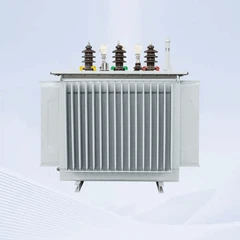
Another common cooling method for pole distribution transformers is oil - immersed cooling. In this method, the transformer's core and windings are immersed in a special insulating oil. The oil serves two main purposes: it provides electrical insulation between the different parts of the transformer and it helps dissipate heat.
The oil absorbs the heat generated by the core and windings and transfers it to the transformer's tank. The tank, in turn, dissipates the heat into the surrounding air through natural convection or with the help of cooling fins. The oil has a high specific heat capacity, which means it can absorb a large amount of heat without a significant increase in temperature.
There are different types of oil used in transformers, such as mineral oil and synthetic oil. Mineral oil is widely used because it is relatively inexpensive and has good insulating and cooling properties. However, it is flammable, which can be a safety concern in some applications. Synthetic oils, on the other hand, are non - flammable and have better environmental characteristics, but they are more expensive.
Oil - immersed transformers are typically more efficient at cooling than air - cooled transformers. They can handle higher power ratings and are more suitable for larger pole distribution transformers. If you're looking for a high - power transformer with oil - immersed cooling, you might be interested in our Single Phase Pole Mounted Distribution Transformer.
Oil - Forced and Air - Forced (OFAF) Cooling
For very large and high - power pole distribution transformers, oil - forced and air - forced (OFAF) cooling is often used. In this method, pumps are used to circulate the oil through the transformer more quickly, and fans are used to blow air over the oil coolers.
The pumps ensure that the oil absorbs the heat from the core and windings and transports it to the oil coolers. The fans then blow air over the oil coolers, increasing the rate of heat transfer from the oil to the air. This combination of forced oil circulation and forced air cooling allows for very efficient heat dissipation, even for transformers with extremely high power ratings.
OFAF cooling is a complex and expensive cooling method. It requires additional equipment like pumps and fans, which need regular maintenance. However, it is necessary for large transformers where the amount of heat generated is very high and needs to be dissipated quickly to prevent overheating. For example, our 25 KVA Single Phase Pole Mounted Transformer might use a cooling method like this for optimal performance.
Choosing the Right Cooling Method
When it comes to choosing the right cooling method for a pole distribution transformer, several factors need to be considered. The power rating of the transformer is a major factor. Smaller transformers with lower power ratings can often use air - natural or air - forced cooling, which are simpler and more cost - effective. Larger transformers with higher power ratings typically require oil - immersed or oil - forced and air - forced cooling to handle the increased heat generation.
The environmental conditions also play a role. In hot and humid climates, air - cooled transformers may not be as effective, and oil - immersed transformers might be a better choice. Additionally, the availability of maintenance resources is important. More complex cooling methods like OFAF require more frequent maintenance and specialized knowledge.
Conclusion
As you can see, there are several cooling methods available for pole distribution transformers, each with its own advantages and disadvantages. Understanding these methods is crucial for ensuring the proper operation and longevity of the transformers. Whether you're in the market for a small single - phase transformer or a large high - power one, we've got a range of options to meet your needs.
If you're interested in learning more about our pole distribution transformers or have any questions about the cooling methods, don't hesitate to reach out. We're here to help you choose the right transformer for your specific requirements and ensure that it operates at its best. Contact us today to start the procurement process and let's have a great deal together!
References
- Electrical Power Transformer Engineering by J. Lewis Blackburn and Thomas J. Domin
- Transformer Engineering: Design, Technology, and Diagnostics by George C. Alexander and L. L. Grigsby
Send Inquiry