





What is the difference between indoor and outdoor substation transformers?
Jun 12, 2025
Leave a message
As a seasoned supplier of substation transformers, I've witnessed firsthand the distinct characteristics and applications of both indoor and outdoor substation transformers. These transformers are the backbone of electrical power distribution systems, but their deployment in different environments - indoor or outdoor - brings about significant differences in design, functionality, and maintenance.
Design and Construction
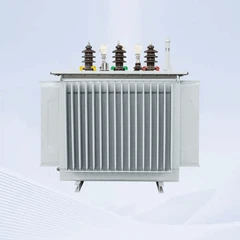
One of the most apparent differences between indoor and outdoor substation transformers lies in their design and construction. Outdoor transformers are built to withstand harsh environmental conditions. They are typically enclosed in robust, weather - resistant casings that protect the internal components from rain, snow, extreme temperatures, and UV radiation. For example, the casing is often made of high - grade steel or aluminum, which can resist corrosion over long periods. The cooling systems of outdoor transformers are also designed to dissipate heat efficiently in open - air environments. Some outdoor transformers use oil - filled cooling methods, where the oil acts as both an insulator and a coolant, transferring heat from the windings to the radiator fins on the outside of the transformer.
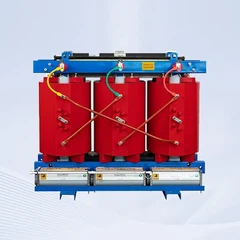
On the other hand, indoor substation transformers are designed with a focus on space utilization and safety within a controlled environment. Since they are not exposed to the elements, the casing can be more compact and less rugged. Indoor transformers often use dry - type insulation, which eliminates the risk of oil leaks and fires. This makes them a safer choice for indoor installations, especially in areas where there are strict fire safety regulations, such as commercial buildings, hospitals, and data centers. The compact design of indoor transformers allows for easier installation in limited spaces, such as basements or dedicated electrical rooms.
Environmental Considerations
The environment in which a transformer operates has a profound impact on its performance and lifespan. Outdoor transformers must be able to handle a wide range of temperatures, from extreme cold in winter to sweltering heat in summer. In regions with high humidity, they are also at risk of moisture ingress, which can damage the insulation and reduce the transformer's efficiency. To combat these issues, outdoor transformers are equipped with features such as moisture - absorbing breathers and thermal protection systems.
Indoor transformers, however, operate in a more stable environment. The temperature and humidity levels can be controlled, which helps to extend the lifespan of the transformer. Additionally, since they are not exposed to pollutants, dust, and debris in the outdoor air, the risk of contamination is significantly reduced. This means that indoor transformers generally require less frequent maintenance and have a lower likelihood of experiencing sudden failures due to environmental factors.
Installation and Maintenance
The installation process for indoor and outdoor substation transformers also differs. Outdoor transformers are usually installed on concrete pads or steel frames in an open area. The installation site needs to be carefully selected to ensure proper ventilation and accessibility for maintenance. Since outdoor transformers are larger and heavier, specialized equipment such as cranes may be required for installation.
Indoor transformers, on the other hand, are installed in pre - designed electrical rooms or enclosures. The installation process is often more straightforward, as the transformers are smaller and can be easily maneuvered into place. However, strict safety protocols must be followed during installation to prevent any potential hazards, such as electrical shocks or fires.
In terms of maintenance, outdoor transformers require more frequent inspections due to their exposure to the elements. Regular checks are needed to ensure that the casing is intact, the cooling system is functioning properly, and there are no signs of corrosion or damage. Oil samples may also need to be taken periodically to check for contaminants and degradation.
Indoor transformers, with their dry - type insulation, generally require less maintenance. However, regular inspections are still necessary to check for loose connections, overheating, and any signs of insulation degradation. Since indoor transformers are often located in critical facilities, any downtime can have significant consequences, so preventive maintenance is crucial.
Cost Considerations
The cost of indoor and outdoor substation transformers can vary significantly. Outdoor transformers are generally more expensive due to their larger size, more robust construction, and the need for additional protective features. The installation cost for outdoor transformers can also be higher, as it involves site preparation, such as pouring concrete pads and installing fencing.
Indoor transformers, while often more compact and having a lower upfront cost, may require additional investment in the form of a dedicated electrical room or enclosure. However, the long - term cost savings in terms of maintenance and reduced risk of environmental damage can offset the initial investment.


Application Examples
Outdoor substation transformers are commonly used in power generation plants, transmission substations, and large industrial facilities. They are well - suited for applications where large amounts of power need to be transformed and distributed over long distances. For instance, in a power generation plant, outdoor transformers step up the voltage of the generated electricity for efficient transmission over high - voltage power lines.
Indoor substation transformers are widely used in commercial buildings, hospitals, and data centers. In a hospital, for example, indoor transformers ensure a reliable and safe power supply to critical medical equipment. In data centers, they provide stable power to servers and other IT infrastructure, minimizing the risk of power outages that could lead to data loss.
Conclusion
In conclusion, the differences between indoor and outdoor substation transformers are significant and should be carefully considered when selecting a transformer for a specific application. As a [Company Position] in the substation transformer industry, I understand the importance of providing the right solution for our customers. Whether you need an European Box - Type Prefabricated Substation for a European project, a 1500 KVA Substation Transformer for a medium - sized industrial facility, or a Packaged Substation for a commercial building, we have the expertise and products to meet your needs.
If you are in the process of planning a new electrical project or looking to upgrade your existing substation, I encourage you to reach out to us for a detailed consultation. Our team of experts can help you determine the most suitable transformer based on your specific requirements, budget, and environmental conditions. Let's work together to ensure a reliable and efficient power supply for your facility.
References
- "Electrical Power Systems: Design and Analysis" by Turan Gonen
- "Transformer Engineering: Design, Technology, and Diagnostics" by G. C. Jain
- Industry reports from leading electrical equipment manufacturers and research institutions
Send Inquiry