





How does the fault - duration affect a pole mounted transformer?
Jun 11, 2025
Leave a message
As a seasoned supplier of pole mounted transformers, I've witnessed firsthand the pivotal role these transformers play in our electrical infrastructure. One of the most critical factors that can significantly impact the performance and longevity of a pole mounted transformer is the fault - duration. In this blog, I'll delve into how fault - duration affects a pole mounted transformer, drawing on both industry knowledge and practical experience.
Understanding Pole Mounted Transformers
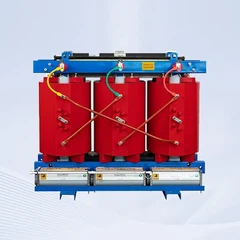
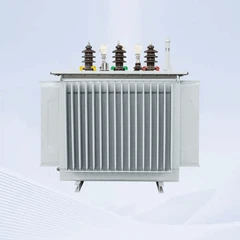
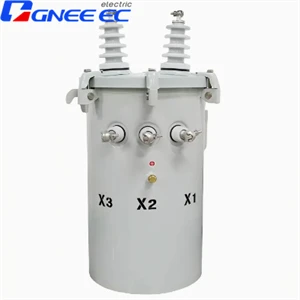
Before we explore the impact of fault - duration, let's briefly understand what pole mounted transformers are. These transformers are typically installed on utility poles and are used to step down high - voltage electricity from the power grid to a lower voltage suitable for residential and small commercial use. They come in various types, such as Pole Mounted Distribution Transformer, Single Phase Pole Mounted Power Distribution Transformer, and Single Phase Pole Mounted Transformer.
The Basics of Fault - Duration
Fault - duration refers to the length of time a fault condition persists in an electrical system. Faults can occur due to a variety of reasons, including lightning strikes, animal contact, short - circuits, and equipment failures. When a fault occurs, it can lead to abnormal electrical currents flowing through the transformer. The duration of this abnormal current flow is what we call the fault - duration.
Impact on Transformer Windings
One of the most significant impacts of fault - duration is on the transformer windings. During a fault, the excessive current can generate a large amount of heat. If the fault - duration is short, the windings may be able to withstand the temporary heat increase without significant damage. However, as the fault - duration increases, the heat buildup becomes more severe.
The insulation on the transformer windings is particularly vulnerable to heat. Prolonged exposure to high temperatures can cause the insulation to degrade, leading to short - circuits within the windings. This not only reduces the efficiency of the transformer but can also lead to complete failure. For example, if a fault lasts for several minutes, the insulation may start to break down, causing a short - circuit between adjacent turns of the winding. This can result in a decrease in the transformer's output voltage and an increase in the current draw, further exacerbating the problem.
Effects on the Core
The transformer core is another component that can be affected by fault - duration. The core is made of laminated steel sheets, which are designed to minimize eddy current losses. During a fault, the abnormal magnetic fields generated by the excessive current can cause additional stress on the core.

If the fault - duration is short, the core may experience only minor mechanical stress. However, with a longer fault - duration, the continuous stress can cause the laminations to shift or become damaged. This can increase the eddy current losses in the core, leading to higher operating temperatures and reduced efficiency. In severe cases, the core may even become physically deformed, which can significantly impact the transformer's performance.
Impact on the Cooling System
Pole mounted transformers rely on a cooling system to dissipate the heat generated during normal operation. During a fault, the increased heat production can put additional strain on the cooling system.
A short - duration fault may not cause significant problems for the cooling system. However, if the fault lasts for a long time, the cooling system may become overwhelmed. For instance, if a transformer is designed to dissipate a certain amount of heat under normal conditions, a prolonged fault can generate more heat than the cooling system can handle. This can lead to overheating of the transformer, which can accelerate the degradation of the insulation and other components.
Oil - Filled Transformers
Many pole mounted transformers are oil - filled. The oil serves several purposes, including insulation and cooling. During a fault, the high temperatures can cause the oil to break down.
If the fault - duration is short, the oil may experience only minor chemical changes. However, with a longer fault - duration, the oil can undergo more significant decomposition. This can lead to the formation of gases, such as hydrogen and methane, which can accumulate in the transformer. The presence of these gases can increase the pressure inside the transformer, potentially leading to an explosion or rupture.
Impact on Transformer Lifespan
The overall lifespan of a pole mounted transformer is closely related to the fault - duration. Each time a transformer experiences a fault, it undergoes a certain amount of stress. Short - duration faults may cause only minor damage, but repeated exposure to long - duration faults can significantly reduce the transformer's lifespan.
A transformer that is frequently exposed to long - duration faults may need to be replaced much earlier than expected. This not only incurs additional costs for the utility company but also disrupts the power supply to customers. For example, a transformer that is designed to last for 30 years may have its lifespan reduced to 10 - 15 years if it is subjected to multiple long - duration faults.
Protective Measures
To mitigate the impact of fault - duration, several protective measures can be implemented. One of the most common measures is the use of protective relays. These relays are designed to detect abnormal currents and voltages and trip the circuit breaker to isolate the faulted section of the system. By quickly interrupting the fault current, the relay can limit the fault - duration and reduce the damage to the transformer.
Another protective measure is the installation of surge arresters. These devices can divert the high - voltage surges caused by lightning strikes or other transient events, reducing the likelihood of a fault occurring in the first place. Additionally, regular maintenance and monitoring of the transformer can help detect early signs of damage and prevent further deterioration.
Case Studies
Let's look at a couple of case studies to illustrate the impact of fault - duration. In one case, a pole mounted transformer in a rural area was subjected to a lightning strike. The protective relay failed to operate quickly, and the fault - duration lasted for approximately 10 minutes. As a result, the transformer windings suffered severe damage, and the insulation was completely destroyed. The transformer had to be replaced immediately, causing a power outage for several hours.
In another case, a transformer in an urban area experienced a short - circuit due to animal contact. The fault - duration was only a few seconds because the protective relay tripped quickly. The transformer was inspected after the incident, and only minor damage was found. The transformer was able to resume normal operation after a short period of maintenance.
Conclusion
In conclusion, fault - duration has a profound impact on the performance, efficiency, and lifespan of pole mounted transformers. As a supplier of pole mounted transformers, I understand the importance of minimizing fault - duration to ensure the reliable operation of our products. By implementing proper protective measures and regular maintenance, we can reduce the risk of damage caused by long - duration faults.
If you're in the market for high - quality pole mounted transformers or need more information about how to protect your transformers from faults, I encourage you to reach out to us. We have a team of experts who can provide you with the best solutions tailored to your specific needs. Let's work together to ensure the reliability of your electrical infrastructure.
References
- IEEE Std C57.12.28 - 2012, IEEE Standard Requirements for Pad - Mounted, Dry - Type Distribution Substation Transformers
- ANSI/IEEE C57.109 - 2010, IEEE Guide for Loading Mineral - Oil - Immersed Transformers
- Electric Power Research Institute (EPRI), "Transformers: Design, Operation, and Maintenance"
Send Inquiry