





What is the economic operation of a distribution transformer?
May 19, 2025
Leave a message
Hey there! As a supplier of distribution transformers, I've been in the thick of understanding how these essential pieces of equipment work in the economic sphere. So, let's dig into what the economic operation of a distribution transformer really means.
Basics of Distribution Transformers
First off, a distribution transformer is like the middle - man in the power grid. It steps down the high - voltage electricity from the transmission lines to a lower voltage that's suitable for homes, businesses, and other end - users. Think of it as a translator that makes the electricity speak a language that our everyday appliances can understand.
When it comes to economic operation, we're looking at a few key aspects. Cost is, of course, a huge factor. There are two main types of costs associated with distribution transformers: capital costs and operating costs.
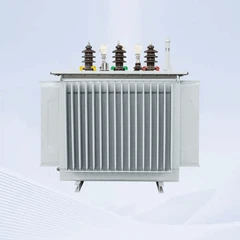
Capital costs are what you pay upfront to buy and install the transformer. This includes the price of the transformer itself, shipping, installation labor, and any additional equipment needed for the setup. For example, if you're looking for a 80KVA 11KV Oil Immersed Distribution Transformer Supplier, you'll have to shell out a certain amount for the unit and get it up and running.
Operating costs, on the other hand, are the ongoing expenses. These mainly consist of energy losses. You see, no transformer is 100% efficient. There are always some losses in the form of heat, and these losses mean wasted electricity, which translates into higher electricity bills for the operator.
Factors Affecting Economic Operation
Load Factor
The load factor plays a massive role in the economic operation of a distribution transformer. It's the ratio of the average load to the maximum load over a certain period. A high load factor means that the transformer is being used more consistently. When a transformer operates close to its rated capacity most of the time, it's more efficient.

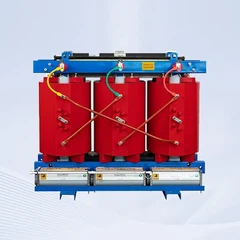
Let's say you have a 100kVA Amorphous Alloy Iron Core Distribution Transformer. If it's constantly running at a low load, like only 20% of its capacity, it's not being used efficiently. The fixed losses (like core losses) are still there, but you're not getting the most out of the transformer's capacity. On the flip side, if it's running at around 80 - 90% of its capacity for a good portion of the time, the overall efficiency goes up, and the cost per unit of electricity delivered comes down.
Transformer Efficiency
Efficiency is a no - brainer when it comes to economic operation. A more efficient transformer means less energy loss. Modern transformers, especially those with advanced core materials like amorphous alloys, are designed to be highly efficient.

The efficiency of a transformer is calculated as the ratio of output power to input power. Higher efficiency means that more of the electricity going into the transformer is actually being delivered to the end - users. For instance, a well - designed China Three - Phase Oil - Immersed Distributing Transformer From GNEE can have very low losses, which is great for the bottom line.

Maintenance and Lifespan
Maintenance is another crucial aspect. Regular maintenance helps to keep the transformer in good working condition, reducing the risk of breakdowns and premature failure. Breakdowns can be extremely costly, not only in terms of the repair or replacement of the transformer but also in terms of the lost electricity supply and potential damage to other equipment.
The lifespan of a distribution transformer also affects its economic operation. A high - quality transformer that lasts longer will have a lower cost per year of operation. You might pay more upfront for a better - built transformer, but over its 20 - 30 year lifespan, it could end up being much more cost - effective than a cheaper, lower - quality alternative.
Economic Benefits of Optimized Operation
When you optimize the economic operation of a distribution transformer, there are some pretty sweet benefits. For power utilities, it means lower operating costs. They can pass on some of these savings to the consumers in the form of lower electricity rates. This can also lead to a more stable power supply, as well - operated transformers are less likely to fail.
For businesses and industries, having a well - performing distribution transformer means reliable power. This reduces the risk of production downtime, which can be extremely costly. For example, a manufacturing plant that relies on a steady supply of electricity to run its machinery can avoid costly production halts if the distribution transformer is operating economically and efficiently.
Making the Right Choice
As a distribution transformer supplier, I know that choosing the right transformer for your needs is crucial. You need to consider factors like the load requirements, the expected load factor, and the budget.
If you have a relatively stable load, a transformer with a high - efficiency rating at full load might be a good choice. But if your load varies a lot, you might want to look into a transformer that has good partial - load efficiency.
And don't forget about the long - term costs. A slightly more expensive transformer with better efficiency and a longer lifespan can save you a ton of money in the long run.
Wrapping Up and Reaching Out
So, that's a pretty good overview of what the economic operation of a distribution transformer is all about. It's a complex topic, but understanding these concepts can help you make better decisions when it comes to choosing and operating a distribution transformer.
If you're in the market for a distribution transformer and want to learn more about how to optimize its economic operation, or if you're just looking for the right transformer for your needs, I'd love to chat. Drop me a message, and we can start a conversation about finding the perfect solution for you.

References
- "Electric Power Distribution Engineering" by Turan Gonen
- IEEE Standards for Distribution Transformers
- Industry reports on power distribution equipment efficiency
Send Inquiry