


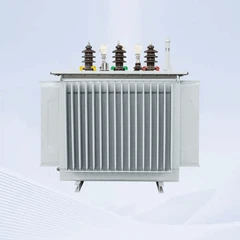




What is the influence of oil density on an oil - immersed transformer?
Jun 13, 2025
Leave a message
As a supplier of oil-immersed transformers, I've witnessed firsthand the intricate relationship between oil density and the performance of these essential electrical devices. Oil-immersed transformers are widely used in power systems due to their high efficiency, reliability, and excellent heat dissipation capabilities. The oil in these transformers serves multiple crucial functions, including insulation, cooling, and arc quenching. One of the key properties of this oil is its density, which can significantly influence the overall performance and longevity of the transformer.
Understanding Oil Density in Oil-Immersed Transformers
Oil density is defined as the mass per unit volume of the transformer oil. It is typically measured in kilograms per cubic meter (kg/m³) or grams per milliliter (g/mL). The density of transformer oil can vary depending on several factors, including its chemical composition, temperature, and the presence of impurities.
Transformer oils are usually mineral oils or synthetic esters. Mineral oils, derived from crude oil, are the most commonly used type due to their excellent dielectric properties and relatively low cost. Synthetic esters, on the other hand, are a more environmentally friendly alternative with superior fire resistance and biodegradability. The density of mineral oils typically ranges from 0.85 to 0.96 g/mL at 20°C, while synthetic esters have a slightly higher density, usually between 0.92 and 0.97 g/mL at the same temperature.
Influence of Oil Density on Insulation Performance
One of the primary functions of transformer oil is to provide electrical insulation. The oil fills the spaces between the windings and other components of the transformer, preventing electrical breakdown and ensuring the safe and efficient operation of the device. The density of the oil plays a crucial role in determining its insulation performance.
A higher oil density generally indicates a more viscous and dense fluid, which can provide better insulation. This is because a denser oil has a higher dielectric strength, meaning it can withstand higher electric fields without breaking down. In addition, a denser oil can better fill the microscopic gaps and voids in the insulation system, reducing the risk of partial discharges and improving the overall insulation integrity.
However, it's important to note that the relationship between oil density and insulation performance is not linear. If the oil density is too high, it can lead to poor heat transfer and increased viscosity, which can negatively impact the transformer's performance. Therefore, it's essential to maintain the oil density within the recommended range to ensure optimal insulation performance.
Impact of Oil Density on Cooling Efficiency
Another critical function of transformer oil is to dissipate heat generated by the transformer's core and windings. As the oil circulates through the transformer, it absorbs heat and transfers it to the cooling system, where it is dissipated into the surrounding environment. The density of the oil can significantly affect its cooling efficiency.


A lower oil density generally results in better heat transfer because lighter oils have lower viscosity and can flow more easily. This allows the oil to circulate more efficiently through the transformer, carrying heat away from the hot spots and ensuring uniform cooling. In addition, lighter oils have a higher specific heat capacity, meaning they can absorb more heat per unit mass without a significant increase in temperature.
On the other hand, a higher oil density can lead to reduced cooling efficiency. Denser oils are more viscous and may not flow as easily, which can result in poor circulation and hot spots within the transformer. This can lead to overheating, insulation degradation, and ultimately, premature failure of the transformer.
Effect of Oil Density on Arc Quenching
In addition to insulation and cooling, transformer oil also plays a crucial role in arc quenching. When a fault occurs in the transformer, such as a short circuit, an arc can form between the conductors. The oil helps to extinguish this arc by providing a medium for the arc to dissipate its energy.
The density of the oil can affect its arc quenching ability. A denser oil can provide better arc quenching performance because it has a higher dielectric strength and can withstand higher arc energies. In addition, a denser oil can help to contain the arc and prevent it from spreading, reducing the risk of damage to the transformer and the surrounding equipment.
However, like insulation and cooling, the relationship between oil density and arc quenching performance is complex. If the oil density is too high, it can lead to increased pressure and temperature during an arc event, which can cause the oil to decompose and release gases. These gases can create additional problems, such as increased pressure in the transformer tank and the formation of explosive mixtures.
Monitoring and Maintaining Oil Density
Given the significant influence of oil density on the performance and longevity of oil-immersed transformers, it's essential to monitor and maintain the oil density within the recommended range. Regular oil testing is the most effective way to monitor the oil density and other key properties.
Oil testing typically involves taking a sample of the transformer oil and analyzing it in a laboratory. The density of the oil can be measured using a densitometer, which is a device that measures the mass per unit volume of a liquid. Other properties that are typically tested include the dielectric strength, water content, acidity, and the presence of impurities.
If the oil density is found to be outside the recommended range, appropriate measures should be taken to correct the issue. This may involve adding or removing oil, filtering the oil to remove impurities, or replacing the oil altogether. It's also important to ensure that the transformer is operating under normal conditions and that the cooling system is functioning properly.
Conclusion
In conclusion, the density of the oil in an oil-immersed transformer has a significant influence on its insulation performance, cooling efficiency, and arc quenching ability. A proper oil density is crucial for ensuring the safe, reliable, and efficient operation of the transformer. As a supplier of [product links here: 50000kVA Outdoor Type Oil Immersed Transformer, SFZ11 4000kVA 110KV Oil Filled Distribution Transformers, Long Life S13 Oil Immersed Step-down Transformer], we understand the importance of maintaining the optimal oil density in our products. We are committed to providing high-quality transformers and comprehensive after-sales services to ensure that our customers' transformers operate at their best.
If you are interested in learning more about our oil-immersed transformers or have any questions about oil density and its influence on transformer performance, please feel free to contact us. We look forward to discussing your specific requirements and helping you find the right solution for your needs.
References
- IEEE C57.106-2014, Guide for Acceptance and Maintenance of Insulating Oils in Electrical Apparatus
- IEC 60296:2012, Mineral insulating oils – Specifications and tests
- EPRI Report 1016955, Transformer Oil Maintenance and Reclamation
Send Inquiry