





How to evaluate the performance of pole mounted transformers?
Jun 13, 2025
Leave a message
Hey there! As a supplier of pole mounted transformers, I've seen firsthand how important it is to evaluate their performance. Whether you're a utility company, an electrical contractor, or just someone looking to understand these transformers better, this blog post is for you. I'll walk you through the key factors to consider when evaluating the performance of pole mounted transformers.
1. Efficiency
Efficiency is a big deal when it comes to pole mounted transformers. It basically tells you how well the transformer can convert electrical energy from one voltage level to another without losing too much in the process. A more efficient transformer means less energy is wasted as heat, which is not only good for the environment but also saves you money in the long run.


To calculate the efficiency of a transformer, you use the formula: Efficiency = (Output Power / Input Power) x 100%. A high - quality pole mounted transformer should have an efficiency of around 95% or more. When evaluating a transformer's efficiency, look at the manufacturer's specifications. For example, our 50 KVA 120/240V Power Pole Transformer is designed to be highly efficient, so you can get more power out with less input.
2. Voltage Regulation
Voltage regulation is another crucial factor. It refers to how well the transformer can maintain a stable output voltage under different load conditions. In an ideal world, the output voltage of a transformer would stay the same no matter how much load is connected to it. But in reality, as the load increases, the output voltage may drop.
Good voltage regulation means that the change in output voltage from no - load to full - load is within an acceptable range. Typically, a pole mounted transformer should have a voltage regulation of less than 5%. If the voltage regulation is poor, it can cause problems for the electrical equipment connected to the transformer. For instance, lights may flicker, or motors may not run properly. Our 25 KVA Single Phase Pole Mounted Transformer is engineered to provide excellent voltage regulation, ensuring a stable power supply for your devices.
3. Load Capacity
The load capacity of a pole mounted transformer is the amount of electrical power it can handle safely. It's usually measured in kilovolt - amperes (kVA). When evaluating a transformer's load capacity, you need to consider the actual power requirements of the electrical system it will be serving.
If you choose a transformer with a load capacity that's too small, it will be overloaded, which can lead to overheating and a shorter lifespan. On the other hand, if you choose a transformer with a load capacity that's too large, you're wasting money on a more expensive unit than you need. So, it's important to accurately calculate the load requirements. Our transformers come in various load capacities, like the 50 KVA 120/240V Power Pole Transformer and the 25 KVA Single Phase Pole Mounted Transformer, so you can pick the one that suits your needs.
4. Temperature Rise
Temperature rise is a key indicator of a transformer's performance and reliability. As the transformer operates, it generates heat due to the losses in the core and windings. If the temperature rises too high, it can damage the insulation of the windings, which can ultimately lead to a transformer failure.
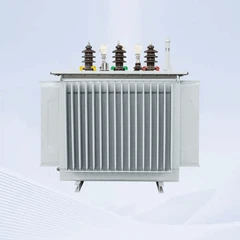
Manufacturers usually specify the maximum allowable temperature rise for their transformers. A typical temperature rise limit for a pole mounted transformer is around 65°C or 80°C above the ambient temperature. To keep the temperature in check, proper ventilation and cooling are essential. Our Electric Pole Mounted Transformer is designed with efficient cooling mechanisms to ensure that the temperature rise stays within safe limits.
5. Sound Level
You might not think about it, but the sound level of a pole mounted transformer can be an important factor, especially if it's located near residential areas. Transformers can produce a humming sound due to the magnetic forces in the core. A noisy transformer can be a nuisance to nearby residents.
When evaluating a transformer, look for models that are designed to be quiet. Manufacturers use special core materials and construction techniques to reduce the sound level. A well - designed pole mounted transformer should have a sound level of around 50 - 60 decibels or less. Our transformers are engineered to be as quiet as possible, so they won't cause any disturbances in your neighborhood.
6. Insulation Resistance
Insulation resistance is a measure of how well the insulation in the transformer can prevent the flow of electric current. Good insulation is essential to prevent short - circuits and ensure the safety of the transformer and the electrical system.
Over time, the insulation can degrade due to factors like heat, moisture, and aging. Regular testing of the insulation resistance can help detect any potential problems early. A high insulation resistance value indicates that the insulation is in good condition. For example, a new transformer should have an insulation resistance of several megohms.
7. Impulse Withstand Voltage
Pole mounted transformers need to be able to withstand voltage surges caused by lightning strikes or other transient events. The impulse withstand voltage is the maximum voltage that the transformer can withstand for a short period without being damaged.
Manufacturers specify the impulse withstand voltage rating for their transformers. A higher impulse withstand voltage rating means the transformer is more resistant to voltage surges. This is especially important in areas with a high incidence of lightning. Our transformers are designed to have a high impulse withstand voltage rating, so they can provide reliable protection for your electrical system.
Let's Talk Business
If you're in the market for a pole mounted transformer and want to ensure you're getting a high - performance unit, we're here to help. We've got a wide range of transformers to choose from, each carefully designed and tested to meet the highest standards. Whether you need a small transformer for a residential area or a large one for an industrial application, we've got you covered.
Get in touch with us to discuss your specific requirements and let's find the perfect pole mounted transformer for you. We're always happy to answer your questions and provide you with detailed information about our products.
References
- Electrical Power Systems by John J. Grainger and William D. Stevenson
- Transformer Engineering: Design, Technology, and Diagnostics by V. Ganapathy
Send Inquiry