





What is the influence of power quality on a 75 kva dry type transformer?
May 22, 2025
Leave a message
Hey there! I'm a supplier of 75 kva dry type transformers, and today I wanna chat about the influence of power quality on these bad boys.
Let's start by understanding what power quality is. Power quality refers to the degree to which the electric power meets the requirements of electrical equipment. It includes factors like voltage magnitude, frequency stability, harmonic distortion, and voltage sags and swells. Any deviation from the ideal power supply can have a significant impact on the performance and lifespan of a 75 kva dry type transformer.
Voltage Fluctuations
One of the most common power quality issues is voltage fluctuations. When the voltage is too high, it can cause excessive heating in the transformer windings. This overheating can lead to insulation degradation over time. The insulation in a dry type transformer is crucial as it prevents short - circuits between the windings. If the insulation breaks down, it can result in a complete failure of the transformer.
On the other hand, low voltage can also be a problem. A 75 kva dry type transformer is designed to operate at a specific voltage level. When the voltage is too low, the transformer has to draw more current to supply the required power. This increased current can cause overloading of the windings, again leading to overheating and potential damage. For example, if a manufacturing plant is using our 75 kva dry type transformer and the grid voltage drops due to some local power issue, the transformer will struggle to keep up, and its components may start to wear out faster.
Frequency Variations
Frequency is another important aspect of power quality. In most regions, the standard frequency is either 50 Hz or 60 Hz. A 75 kva dry type transformer is designed to operate at a specific frequency. If the frequency deviates from the rated value, it can affect the magnetic flux in the transformer core.
A higher - than - rated frequency can cause increased core losses. The core of a dry type transformer is made of magnetic materials, and when the frequency changes, the magnetic field in the core also changes. This leads to more energy being dissipated as heat in the core. Conversely, a lower - than - rated frequency can cause the transformer to saturate. Saturation means that the core can no longer handle the magnetic flux, and this can result in a sharp increase in current, which may damage the windings and other components of the transformer.
Harmonic Distortion
Harmonics are unwanted frequencies that are multiples of the fundamental frequency (e.g., 50 Hz or 60 Hz). In modern electrical systems, non - linear loads such as variable - speed drives, computers, and LED lighting generate a significant amount of harmonics. When these harmonics enter the 75 kva dry type transformer, they can cause several problems.
Firstly, harmonics increase the effective current in the transformer windings. This increased current leads to higher copper losses (I²R losses), which means more heat is generated. The additional heat can accelerate the aging of the insulation and reduce the overall efficiency of the transformer. Secondly, harmonics can cause resonance in the transformer and the connected electrical system. Resonance can lead to extremely high voltages and currents, which can damage the transformer and other equipment in the system.
Voltage Sags and Swells
Voltage sags are short - term reductions in voltage, while voltage swells are short - term increases in voltage. These events can be caused by lightning strikes, faults in the power grid, or large motor starting. A voltage sag can cause the 75 kva dry type transformer to draw more current to maintain the power output. This increased current can cause stress on the windings and other components.
On the other hand, a voltage swell can subject the transformer to overvoltage conditions. Overvoltage can cause insulation breakdown, especially in the high - voltage windings. If the insulation breaks down, it can lead to a short - circuit, which is a major failure mode for the transformer.
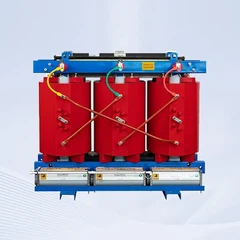
Now, let me tell you a bit about our products. We offer a wide range of dry type transformers, including the [3 - phase 50 Hz Dyn11 Insulated Resin Cast Dry Type Power Transformer](/dry - type - transformer/3 - phase - 50 - hz - dyn11 - insulated - resin - cast - dry.html). This transformer is designed to handle various power quality issues with its high - quality insulation and robust construction. It's suitable for a variety of applications, from industrial plants to commercial buildings.


We also have the [30kVA Epoxy Resin Cast Transformer](/dry - type - transformer/30kva - epoxy - resin - cast - transformer.html). Although it's a 30 kva transformer, it shares many of the same design principles as our 75 kva dry type transformers. The epoxy resin casting provides excellent insulation and protection against environmental factors, which helps to maintain the performance of the transformer even in the presence of power quality problems.
And if you need a larger capacity transformer, our [630 KVA - 0.4/0.4 KV Isolation Dry Type Transformer](/dry - type - transformer/630 - kva - 0 - 4 - 0 - 4 - kv - isolation - dry - type.html) is a great option. It offers high - level isolation and can handle complex electrical systems with ease.
In conclusion, power quality has a profound influence on the performance and lifespan of a 75 kva dry type transformer. As a supplier, we understand the importance of providing transformers that can withstand various power quality issues. Our transformers are designed and manufactured with high - quality materials and advanced technology to ensure reliable operation.
If you're in the market for a 75 kva dry type transformer or any of our other products, don't hesitate to reach out for a chat about your requirements. We're here to help you find the best solution for your electrical needs.
References
- "Power Quality in Electrical Systems" by S. Santoso, H. W. Beaty, and E. O. Schweitzer III.
- "Transformer Engineering: Design, Technology, and Diagnostics" by J. Arrillaga and N. R. Watson.
Send Inquiry