





What is the reactive power compensation for a three - phase power transformer?
May 21, 2025
Leave a message
Hey there! As a supplier of three - phase power transformers, I often get asked about reactive power compensation for these bad boys. So, let's dig into what reactive power compensation is all about for a three - phase power transformer.
First off, we need to understand what reactive power is. In a three - phase power system, power is made up of two components: real power and reactive power. Real power, measured in kilowatts (kW), is the power that actually does the work, like running motors, lighting up bulbs, and powering all our electrical appliances. Reactive power, on the other hand, measured in kilovolt - amperes reactive (kVAR), doesn't do any real work in the traditional sense. It's more like a necessary evil in the electrical world.
Reactive power is mainly caused by inductive loads, such as motors, transformers themselves, and fluorescent lighting. These loads create a magnetic field, and the energy needed to establish and maintain this magnetic field is the reactive power. When there's a large amount of reactive power in the system, it can cause a bunch of problems.
One of the major issues is a decrease in power factor. Power factor is the ratio of real power to apparent power (the combination of real and reactive power). A low power factor means that the electrical system has to carry more current than necessary to deliver the same amount of real power. This leads to higher energy losses in the transmission and distribution lines, as well as in the transformer itself. Higher losses mean higher electricity bills for the consumers and more wear and tear on the equipment.
So, that's where reactive power compensation comes in. The goal of reactive power compensation is to reduce the amount of reactive power in the system, thereby improving the power factor. There are several ways to achieve reactive power compensation for a three - phase power transformer.
One common method is to use capacitor banks. Capacitors are devices that can store and release electrical energy. When connected to the electrical system, they can supply reactive power to the inductive loads, effectively canceling out some of the reactive power demanded by these loads. By doing so, the overall reactive power in the system is reduced, and the power factor is improved.
For example, let's say you have a factory with a lot of motors. These motors draw a significant amount of reactive power, resulting in a low power factor. By installing a capacitor bank near the motors or at the main distribution point, you can inject reactive power into the system in the opposite direction of the inductive reactive power. This way, the power factor can be brought closer to 1, which is the ideal value.
Another way to compensate for reactive power is through the use of static VAR compensators (SVCs) or static synchronous compensators (STATCOMs). These are more advanced and sophisticated devices compared to capacitor banks. SVCs use thyristor - controlled reactors and fixed or thyristor - switched capacitors to control the reactive power flow in the system. STATCOMs, on the other hand, use voltage - source converters to provide fast and precise control of reactive power.
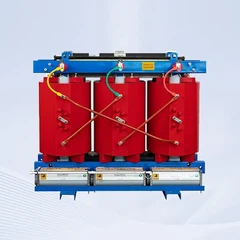
Now, let's talk about why reactive power compensation is so important for a three - phase power transformer. A three - phase power transformer is a crucial component in the electrical power system. It steps up or steps down the voltage levels to transmit and distribute electrical energy efficiently. When there's a large amount of reactive power in the system, the transformer has to handle more current than it would if the power factor were high.
This increased current can cause overheating of the transformer windings, which reduces the transformer's lifespan and increases the risk of failure. By compensating for the reactive power, we can reduce the current flowing through the transformer, thus improving its efficiency and reliability.
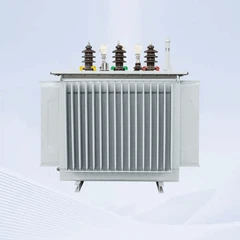
As a three - phase power transformer supplier, we offer a wide range of high - quality transformers that are designed to work efficiently in various electrical systems. For instance, our [S11 - 2500KVA Oil - immersed Power Transformer](/power - transformer/s11 - 2500kva - oil - immersed - power - transformer.html) is a great option for medium - to large - scale power distribution. It's built with advanced technology to ensure low losses and high performance.
If you have a smaller power requirement, our [50kVA Three Phase Oil Type Electrical Power Distribution Transformer](/power - transformer/50kva - three - phase - oil - type - electrical - power.html) is a reliable choice. It's compact and efficient, suitable for small businesses and residential areas.
And for large - scale power distribution projects, our [8000 Kva Distribution Power Transformer](/power - transformer/8000 - kva - distribution - power - transformer.html) can handle high - voltage and high - power applications with ease.
Reactive power compensation is not only beneficial for the transformer but also for the entire electrical system. It can lead to significant energy savings, reduced electricity costs, and improved power quality. With a better power factor, the voltage regulation in the system is also improved, which means less voltage fluctuation and a more stable power supply for all the connected loads.
If you're in the market for a three - phase power transformer or need advice on reactive power compensation, don't hesitate to get in touch. We're here to help you find the right solution for your specific needs. Whether you're a small business owner, an industrial operator, or a utility company, we've got the expertise and the products to meet your requirements.


In conclusion, reactive power compensation is an essential aspect of operating a three - phase power transformer efficiently. By understanding the concept of reactive power and using the right compensation methods, we can ensure that the electrical system runs smoothly, the transformer lasts longer, and the overall energy consumption is optimized. So, if you want to take your electrical system to the next level, consider reactive power compensation and choose the right three - phase power transformer for your needs.
References
- "Electric Power Systems: A Conceptual Introduction" by Thomas Overbye
- "Power System Analysis and Design" by J. Duncan Glover, Mulukutla S. Sarma, and Thomas J. Overbye
Send Inquiry