


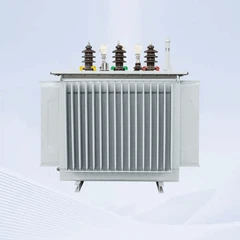





What is the oil used in oil - immersed power transformers?
May 21, 2025
Leave a message
As a seasoned supplier in the power transformer industry, I often encounter inquiries about the oil used in oil-immersed power transformers. This topic is not only crucial for understanding the functionality and efficiency of transformers but also plays a significant role in ensuring their long - term reliability. In this blog, I will delve into the details of the oil used in oil - immersed power transformers.
Types of Oil Used in Oil - Immersed Power Transformers
Mineral Oil
Mineral oil is the most commonly used insulating and cooling medium in oil - immersed power transformers. It is derived from crude oil through a refining process. The main advantages of mineral oil include its excellent dielectric properties, high heat transfer capabilities, and relatively low cost.
Dielectric strength is a key characteristic of the oil used in transformers. Mineral oil has a high dielectric strength, which means it can withstand high voltages without breaking down. This property is essential for preventing electrical breakdown within the transformer, which could lead to short - circuits and equipment failure.
In terms of heat transfer, mineral oil is highly effective. Transformers generate a significant amount of heat during operation, and the oil helps to dissipate this heat. The oil circulates through the transformer, absorbing heat from the windings and core, and then transfers it to the cooling fins or radiators on the outside of the transformer.
However, mineral oil also has some drawbacks. It is flammable, which poses a fire risk. In addition, it is a non - biodegradable substance, which means that if there is an oil spill, it can have a negative impact on the environment.
Silicone Oil
Silicone oil is another type of oil that can be used in oil - immersed power transformers. It has several advantages over mineral oil. Firstly, silicone oil is non - flammable, which significantly reduces the fire risk associated with transformers. This makes it a preferred choice in applications where fire safety is a major concern, such as in densely populated areas or in facilities with strict fire regulations.
Secondly, silicone oil has excellent chemical stability and oxidation resistance. It can withstand high temperatures and harsh environmental conditions without degrading as quickly as mineral oil. This results in a longer service life for the transformer and reduces the need for frequent oil changes.
On the other hand, silicone oil is more expensive than mineral oil. The higher cost can be a limiting factor for some applications, especially in large - scale power distribution networks where cost - effectiveness is a primary consideration.
Bio - based Oil
In recent years, there has been a growing interest in bio - based oils for use in oil - immersed power transformers. Bio - based oils are derived from renewable resources such as vegetable oils. They offer several environmental benefits, including biodegradability and low toxicity.
Bio - based oils also have good dielectric properties and can provide effective insulation and cooling for transformers. They are considered a more sustainable alternative to mineral oil, especially in applications where environmental impact is a major concern.
However, bio - based oils have some limitations. They have a lower oxidation stability compared to mineral and silicone oils, which means they may require more frequent monitoring and maintenance. Additionally, their performance at low temperatures may not be as good as that of mineral oil.
The Role of Oil in Oil - Immersed Power Transformers
Insulation
One of the primary functions of the oil in an oil - immersed power transformer is insulation. The oil fills the spaces between the windings and the core of the transformer, preventing electrical arcing and short - circuits. It provides a high - resistance path for the electrical current, ensuring that the current flows through the intended conductors.
The dielectric strength of the oil is crucial for maintaining proper insulation. Over time, the oil may degrade due to factors such as heat, moisture, and oxidation. This can lead to a decrease in dielectric strength and an increased risk of electrical breakdown. Regular testing of the oil's dielectric properties is essential to ensure the continued safe operation of the transformer.
Cooling
As mentioned earlier, transformers generate heat during operation. The oil acts as a coolant, absorbing the heat from the windings and core and transferring it to the cooling system. The circulation of the oil within the transformer is facilitated by natural convection or forced - circulation pumps in larger transformers.
Efficient cooling is vital for the performance and lifespan of the transformer. If the transformer overheats, it can cause damage to the insulation, leading to premature failure. The type of oil used and the design of the cooling system play important roles in maintaining the optimal operating temperature of the transformer.
Our Product Offerings
At our company, we offer a wide range of Oil Power Transformer that are designed to meet the diverse needs of our customers. Our China Three Phase 5MVA Power Transformer Manufacturers are known for their high quality, reliability, and efficiency. We use the latest technology and manufacturing processes to ensure that our transformers perform at their best.
One of our popular products is the 200kVA Oil Immersed Power Three Phase Transformer. This transformer is suitable for a variety of applications, including industrial, commercial, and residential settings. It is designed to provide stable and efficient power distribution, and we offer different types of oil options to meet the specific requirements of our customers.
Conclusion
The oil used in oil - immersed power transformers is a critical component that affects the performance, safety, and lifespan of the transformer. Mineral oil is the most widely used due to its cost - effectiveness and good performance, but silicone oil and bio - based oils are emerging as viable alternatives, especially in applications where fire safety and environmental concerns are important.
If you are in the market for a high - quality power transformer, we invite you to contact us for more information. Our team of experts is ready to assist you in selecting the right transformer and oil type for your specific needs. We are committed to providing excellent products and services to our customers, and we look forward to the opportunity to work with you.


References
- Blackburn, J. L. (2014). Protective Relaying: Principles and Applications. CRC Press.
- Grover, W. D. (2012). Transformer Engineering: Design, Technology, and Diagnostics. CRC Press.
- McPherson, G., & Laramore, R. D. (2008). An Introduction to Electrical Machines and Transformers. Wiley.
Send Inquiry