





What is the insulation aging rate of a 75 kva dry type transformer?
Jul 16, 2025
Leave a message
As a supplier of 75 kVA dry type transformers, understanding the insulation aging rate of these transformers is crucial for both us and our customers. Insulation aging directly affects the performance, reliability, and lifespan of the transformer, which in turn impacts the overall efficiency and safety of the electrical system. In this blog post, I will delve into the factors that influence the insulation aging rate of a 75 kVA dry type transformer and how we can manage it to ensure optimal performance.
Understanding Insulation in Dry Type Transformers
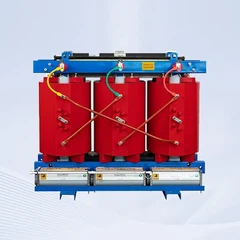
Dry type transformers use solid insulation materials such as epoxy resin or Nomex paper to isolate the windings from each other and from the ground. These insulation materials are designed to withstand high temperatures, electrical stresses, and environmental factors. However, over time, these materials can degrade, leading to a reduction in their insulating properties. This degradation process is known as insulation aging.
Factors Affecting Insulation Aging Rate
Temperature
Temperature is one of the most significant factors affecting the insulation aging rate of a dry type transformer. The higher the operating temperature, the faster the insulation will age. This is because high temperatures can cause the insulation material to break down chemically, leading to a loss of mechanical strength and electrical insulation properties. According to the Arrhenius equation, for every 8 - 10°C increase in temperature, the aging rate of the insulation approximately doubles. Therefore, it is essential to keep the operating temperature of the transformer within the specified limits to slow down the insulation aging process.


Electrical Stress
Electrical stress is another critical factor that can accelerate insulation aging. Electrical stress is caused by the voltage applied to the transformer windings. High voltages can cause partial discharges within the insulation material, which can damage the insulation over time. Partial discharges occur when the electric field strength within the insulation exceeds the dielectric strength of the material, causing small electrical arcs to form. These arcs can erode the insulation material, leading to a reduction in its insulating properties.
Environmental Factors
Environmental factors such as humidity, pollution, and vibration can also affect the insulation aging rate of a dry type transformer. Humidity can cause the insulation material to absorb moisture, which can reduce its electrical insulation properties and increase the risk of corrosion. Pollution can deposit contaminants on the surface of the transformer, which can also reduce the insulation properties and increase the risk of electrical breakdown. Vibration can cause mechanical stress on the insulation material, which can lead to cracking and damage.
Measuring Insulation Aging Rate
There are several methods for measuring the insulation aging rate of a dry type transformer. One common method is to measure the dielectric loss factor (tan δ) of the insulation material. The dielectric loss factor is a measure of the energy dissipated as heat in the insulation material when an alternating voltage is applied. As the insulation ages, the dielectric loss factor increases, indicating a reduction in the insulation properties. Another method is to measure the insulation resistance of the transformer. The insulation resistance is a measure of the ability of the insulation material to resist the flow of electric current. As the insulation ages, the insulation resistance decreases, indicating a reduction in the insulation properties.
Managing Insulation Aging Rate
As a supplier of 75 kVA dry type transformers, we take several measures to manage the insulation aging rate of our transformers. First, we design our transformers to operate within the specified temperature limits. We use high-quality insulation materials that can withstand high temperatures and electrical stresses. We also incorporate cooling systems such as fans or heat sinks to dissipate heat and keep the operating temperature of the transformer within the specified limits.
Second, we test our transformers regularly to monitor the insulation aging rate. We use advanced testing equipment to measure the dielectric loss factor and insulation resistance of the insulation material. If we detect any signs of insulation aging, we take appropriate measures to address the issue, such as replacing the insulation material or adjusting the operating conditions of the transformer.
Third, we provide our customers with detailed instructions on how to operate and maintain their transformers. We recommend that our customers keep the transformer in a clean and dry environment, avoid overloading the transformer, and perform regular maintenance checks. By following these instructions, our customers can help to slow down the insulation aging rate of their transformers and extend their lifespan.
Importance of Managing Insulation Aging Rate
Managing the insulation aging rate of a 75 kVA dry type transformer is essential for several reasons. First, it can help to ensure the reliability and safety of the electrical system. A transformer with aged insulation is more likely to experience electrical breakdown, which can cause power outages, equipment damage, and even fire. By managing the insulation aging rate, we can reduce the risk of electrical breakdown and ensure the reliable operation of the electrical system.
Second, it can help to extend the lifespan of the transformer. A transformer with a slow insulation aging rate can last for many years, reducing the need for frequent replacements. This can save our customers money in the long run and reduce the environmental impact of transformer production and disposal.
Third, it can help to improve the energy efficiency of the electrical system. A transformer with aged insulation can consume more energy due to increased dielectric losses. By managing the insulation aging rate, we can reduce the dielectric losses and improve the energy efficiency of the electrical system.
Our Product Range
In addition to our 75 kVA dry type transformers, we also offer a wide range of other dry type transformers, including 80KVA Dry Resin Distribution Transformer, 125kVA Indoor Dry-Type Power Transformer, and 200kVA Amorphous Alloy Dry Transformer. These transformers are designed to meet the diverse needs of our customers and provide reliable and efficient power distribution solutions.
Contact Us for Procurement
If you are interested in purchasing a 75 kVA dry type transformer or any other dry type transformers from our product range, please feel free to contact us. Our experienced sales team will be happy to assist you with your procurement needs and provide you with detailed product information and pricing. We are committed to providing our customers with high-quality products and excellent customer service.
References
- International Electrotechnical Commission (IEC). IEC 60076 - 11:2004, Dry - type power transformers - Part 11: Insulation levels and dielectric tests for dry - type power transformers.
- IEEE Standards Association. IEEE C57.12.01 - 2010, Standard General Requirements for Liquid - Immersed Distribution, Power, and Regulating Transformers.
- Nelson, R. A. (2004). Dielectric Phenomena in High - Voltage Engineering. Wiley - Interscience.
Send Inquiry