


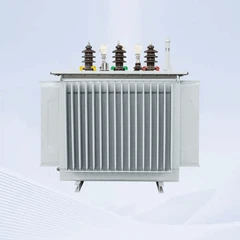




What is the power factor of a dry type transformer?
Sep 04, 2025
Leave a message
Hey there! As a supplier of dry type transformers, I often get asked about the power factor of these nifty devices. So, let's dig into what the power factor of a dry type transformer is all about.
First off, what's power factor anyway? In simple terms, power factor is a measure of how effectively electrical power is being used in a circuit. It's the ratio of real power (the power that actually does useful work, like running a machine or lighting up a bulb) to apparent power (the combination of real power and reactive power). Reactive power doesn't do any actual work but is needed to create and maintain the magnetic fields in devices like transformers and motors.
Now, for dry type transformers, the power factor plays a crucial role. A high power factor means that the transformer is using electrical power efficiently. When the power factor is close to 1 (or 100%), it indicates that most of the electrical power supplied to the transformer is being converted into useful work. On the other hand, a low power factor means that a significant amount of power is being wasted in the form of reactive power.
Why does the power factor matter for dry type transformers? Well, from an energy - efficiency perspective, a high - power - factor transformer can save a lot of energy in the long run. For businesses, this translates to lower electricity bills. Also, power companies often charge customers with a low power factor additional fees because they have to supply more power to meet the same amount of useful work.
Let's talk about what affects the power factor of a dry type transformer. One of the main factors is the load connected to the transformer. Different types of loads have different power factor characteristics. For example, resistive loads like incandescent light bulbs have a power factor close to 1 because they mainly consume real power. But inductive loads such as motors have a lower power factor because they require reactive power to create magnetic fields.
The design and construction of the dry type transformer itself also influence the power factor. High - quality transformers with better core materials and winding designs tend to have better power factor performance. For instance, transformers with low - loss cores can reduce the amount of reactive power required, thereby improving the power factor.
When it comes to our dry type transformers, we've put a lot of effort into optimizing the power factor. Take our 50KVA 0.4KV Step Down Dry Type Power Transformer. It's designed with advanced technology to ensure a high power factor, which means more efficient power usage for our customers. Whether you're running a small business or a large industrial facility, this transformer can help you save on energy costs.
Another great product in our lineup is the Scb 1000kVA Dry Type Cast Resin Distribution Transformer. This high - capacity transformer is built to handle heavy loads while maintaining a good power factor. The cast - resin design not only provides excellent electrical insulation but also contributes to the overall efficiency of the transformer.
Our 75kVA Dry Type Transformer is also a popular choice. It's suitable for a wide range of applications, from commercial buildings to small factories. With its well - engineered design, it offers a good balance between power capacity and power factor performance.
Measuring the power factor of a dry type transformer is relatively straightforward. You can use a power factor meter, which is a device that measures the ratio of real power to apparent power. By regularly monitoring the power factor, you can detect any issues early on, such as a load change that might be affecting the power factor negatively.
If you notice a low power factor in your dry type transformer, there are ways to improve it. One common method is to install power factor correction capacitors. These capacitors supply the necessary reactive power locally, reducing the amount of reactive power drawn from the power grid. This not only improves the power factor but also reduces the overall current flowing through the transformer, which can lead to less energy loss and longer transformer life.
In addition to power factor, there are other important aspects of dry type transformers that you should consider. For example, the temperature rise of the transformer is crucial. A well - designed dry type transformer should have a low temperature rise, which means it can operate more efficiently and have a longer lifespan. Also, the insulation class of the transformer determines its ability to withstand high temperatures without degradation.
As a dry type transformer supplier, we're committed to providing high - quality products with excellent power factor performance. Our transformers are tested rigorously to ensure they meet the highest standards of efficiency and reliability. Whether you're looking for a small - capacity transformer for a home project or a large - scale transformer for an industrial application, we have the right solution for you.
If you're interested in learning more about our dry type transformers or want to discuss your specific requirements, don't hesitate to reach out. We're here to help you make the best choice for your power needs. Whether you need advice on power factor optimization or want to know more about the technical specifications of our products, our team of experts is ready to assist you.


In conclusion, the power factor of a dry type transformer is a critical parameter that affects energy efficiency, cost savings, and overall performance. By choosing a high - power - factor transformer from a reliable supplier, you can ensure that you're getting the most out of your electrical power. So, take the time to evaluate your power needs and consider our range of dry type transformers. We're confident that you'll find a product that meets your requirements and provides long - term value.
References:
- Electrical Power Systems Fundamentals, Various industry textbooks on power engineering
- Manufacturer's technical documentation on dry type transformers
Send Inquiry