





What is the role of the temperature indicator in a Pad Mounted Transformer?
Sep 19, 2025
Leave a message
Hey there! I'm a supplier of Pad Mounted Transformers, and today I wanna talk about the role of the temperature indicator in these transformers.


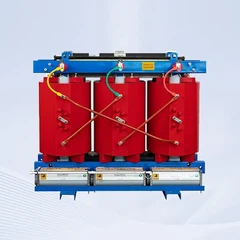
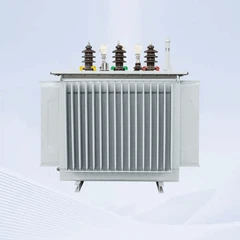
First off, let's get a bit of background. Pad Mounted Transformers are those big, box - like things you often see in residential or commercial areas. They're designed to distribute electrical power from the grid to homes and businesses. They come in different sizes and types, like the 1750 KVA Pad-mounted Transformer, the 50kVA Single Phase Pad Mounted Transformer, and the 3 Phase Pad Mounted Transformer ANSI IEEE Standard.
Now, the temperature indicator in a Pad Mounted Transformer is like a little detective. It keeps an eye on how hot the transformer is running. You see, transformers generate heat when they're doing their job of stepping up or stepping down voltage. This heat is a by - product of the electrical losses that occur inside the transformer, mainly due to the resistance in the windings and the magnetic core.
One of the most important roles of the temperature indicator is to prevent overheating. Overheating can be a real nightmare for a transformer. When a transformer gets too hot, the insulation materials inside it start to break down. The insulation is crucial because it keeps the electrical currents flowing where they're supposed to and prevents short - circuits. If the insulation fails, it can lead to a complete breakdown of the transformer, which means power outages for the customers it serves. And trust me, power outages are never a good thing, whether it's for a small business or a whole neighborhood.
The temperature indicator gives us an early warning when the transformer is starting to get too hot. It constantly monitors the temperature and can send out an alarm signal when the temperature reaches a pre - set limit. This alarm can be sent to the control room or to the maintenance team's mobile devices. So, they can take action before things get out of hand. Maybe they'll increase the cooling rate, check for any abnormal electrical loads, or schedule a maintenance check.
Another role of the temperature indicator is to help with load management. By knowing the temperature of the transformer, we can figure out how much load it can handle safely. A transformer has a certain rated capacity, which is the maximum amount of power it can handle under normal operating conditions. But if the temperature is already high, the transformer might not be able to handle its full rated load. The temperature indicator helps us make decisions about whether we need to reduce the load on the transformer or if we can add more load without causing problems.
For example, during hot summer days, the ambient temperature is already high. This means the transformer has to work harder to dissipate its own heat. The temperature indicator will show us that the transformer is running hotter than usual. In this case, we might need to ask some large customers to reduce their power consumption temporarily. Or, if we're planning to connect a new customer to the transformer, we'll take the temperature reading into account to make sure the transformer can handle the additional load.
The temperature indicator also plays a part in maintenance planning. By analyzing the temperature trends over time, we can predict when a transformer might need maintenance. If we notice that the temperature is gradually increasing over a period of weeks or months, it could be a sign of a developing problem, like a failing cooling system or a loose connection. Regularly checking the temperature indicator allows us to catch these issues early and perform preventive maintenance. This not only extends the lifespan of the transformer but also saves a lot of money in the long run, as it's much cheaper to fix a small problem than to replace a completely failed transformer.
Moreover, the data from the temperature indicator can be used for quality control. When we manufacture Pad Mounted Transformers, we want to make sure they're performing as expected. By monitoring the temperature during the testing phase, we can verify that the transformer's cooling system is working properly and that there are no hidden electrical losses. This helps us ensure that every transformer we sell meets the highest quality standards.
In addition, the temperature indicator provides valuable information for research and development. Engineers can study the temperature data to come up with better designs for future transformers. They can look for ways to improve the cooling efficiency, reduce electrical losses, and make the transformers more reliable. Maybe they'll develop new insulation materials that can withstand higher temperatures or design more efficient cooling fins.
Now, if you're in the market for a Pad Mounted Transformer, you can see how important the temperature indicator is. It's not just a small component; it's a key part of ensuring the safety, reliability, and efficiency of the transformer. Whether you need a 1750 KVA Pad-mounted Transformer for a large industrial complex or a 50kVA Single Phase Pad Mounted Transformer for a small residential area, make sure it has a high - quality temperature indicator.
If you have any questions about Pad Mounted Transformers or want to discuss your specific requirements, feel free to reach out. We're here to help you find the right transformer for your needs and ensure it operates smoothly for years to come.
References
- Electrical Power Systems: Principles and Applications, by Ali A. Chowdhury
- Transformer Engineering: Design, Technology, and Diagnostics, by G. B. Kreith
Send Inquiry