





What is the temperature rise of a distribution transformer?
Sep 19, 2025
Leave a message
What is the Temperature Rise of a Distribution Transformer?
As a supplier of distribution transformers, I often encounter inquiries from customers regarding the temperature rise of these essential electrical devices. Understanding the concept of temperature rise is crucial for ensuring the reliable and efficient operation of distribution transformers. In this blog post, I will delve into the details of what temperature rise is, its significance, and how it impacts the performance and lifespan of distribution transformers.
What is Temperature Rise?
Temperature rise refers to the increase in temperature of a distribution transformer above the ambient temperature. When a transformer is in operation, electrical losses occur due to the resistance of the windings and the magnetic core. These losses generate heat, causing the temperature of the transformer to rise. The temperature rise is measured in degrees Celsius (°C) and is typically specified by the manufacturer as a maximum allowable value.
For example, if the ambient temperature is 25°C and the temperature rise of a transformer is specified as 65°C, the maximum operating temperature of the transformer would be 90°C (25°C + 65°C). It is important to note that the temperature rise is not a constant value but can vary depending on factors such as the load on the transformer, the ambient temperature, and the cooling method employed.
Significance of Temperature Rise
The temperature rise of a distribution transformer is a critical parameter that directly affects its performance, efficiency, and lifespan. Here are some key reasons why temperature rise is significant:
- Insulation Life: The insulation materials used in transformers have a limited temperature rating. Exceeding this temperature rating can cause the insulation to degrade over time, leading to reduced dielectric strength and increased risk of electrical breakdown. By keeping the temperature rise within the specified limits, the lifespan of the insulation can be extended, ensuring the long-term reliability of the transformer.
- Efficiency: Higher temperatures can increase the resistance of the transformer windings, resulting in increased copper losses. These losses not only reduce the efficiency of the transformer but also generate additional heat, further contributing to the temperature rise. By minimizing the temperature rise, the efficiency of the transformer can be improved, reducing energy consumption and operating costs.
- Overloading Capacity: Transformers are designed to operate within a certain temperature range. If the temperature rise exceeds the specified limits, the transformer may experience thermal stress, which can reduce its overloading capacity. This means that the transformer may not be able to handle sudden increases in load without overheating, potentially leading to equipment damage or downtime.
Factors Affecting Temperature Rise
Several factors can influence the temperature rise of a distribution transformer. Understanding these factors is essential for proper transformer selection, installation, and operation. Here are some of the key factors:
- Load: The load on the transformer is one of the primary factors affecting its temperature rise. As the load increases, the electrical losses in the transformer also increase, generating more heat. Therefore, it is important to size the transformer appropriately to ensure that it can handle the expected load without overheating.
- Ambient Temperature: The ambient temperature refers to the temperature of the surrounding environment where the transformer is installed. Higher ambient temperatures can make it more difficult for the transformer to dissipate heat, resulting in a higher temperature rise. In hot climates or areas with poor ventilation, additional cooling measures may be required to keep the temperature rise within the specified limits.
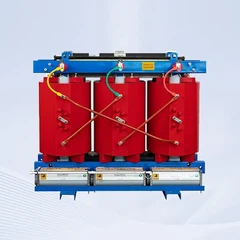
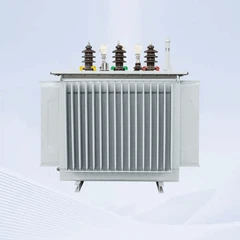
- Cooling Method: Distribution transformers can be cooled using various methods, including natural air cooling (AN), forced air cooling (AF), and oil cooling. The cooling method employed can significantly affect the temperature rise of the transformer. For example, oil-cooled transformers are generally more efficient at dissipating heat than air-cooled transformers, resulting in lower temperature rises.
- Transformer Design: The design of the transformer, including the size and configuration of the windings and the core, can also impact its temperature rise. Transformers with larger windings and cores generally have lower electrical losses and can dissipate heat more effectively, resulting in lower temperature rises.
Measuring and Monitoring Temperature Rise
To ensure the safe and reliable operation of distribution transformers, it is important to measure and monitor the temperature rise regularly. This can be done using various methods, including:
- Thermocouples and Resistance Temperature Detectors (RTDs): These sensors can be installed on the transformer windings or other critical components to measure the temperature directly. The temperature readings can then be transmitted to a monitoring system for analysis.
- Infrared Thermography: Infrared thermography is a non-contact method of measuring temperature that uses infrared cameras to detect the heat emitted by the transformer. This method can be used to identify hot spots on the transformer surface, which may indicate potential problems.
- Temperature Monitoring Systems: Many modern distribution transformers are equipped with temperature monitoring systems that can continuously monitor the temperature rise and provide real-time alerts if the temperature exceeds the specified limits. These systems can help prevent equipment damage and downtime by allowing for timely maintenance and repairs.
Our Distribution Transformer Offerings
At [Our Company], we offer a wide range of high-quality distribution transformers designed to meet the diverse needs of our customers. Our transformers are built to the highest standards of quality and reliability, ensuring optimal performance and long service life. Here are some of our featured products:
- Three Phase Power Distribution Transformer: Our three-phase power distribution transformers are available in a variety of sizes and configurations to suit different applications. These transformers are designed to provide efficient and reliable power distribution in commercial, industrial, and residential settings.
- Hermetically Sealed Transformer: Our hermetically sealed transformers are ideal for applications where moisture, dust, or other contaminants may be present. These transformers are designed to provide a high level of protection against environmental factors, ensuring long-term reliability and performance.
- High Standard 11kv Transformer 700kva Oil Immersed Power Transformer: Our high-standard 11kv transformer 700kva oil immersed power transformers are designed to provide reliable and efficient power distribution in medium-voltage applications. These transformers are built to the highest standards of quality and safety, ensuring optimal performance and long service life.
Contact Us for Procurement and Consultation
If you are interested in learning more about our distribution transformers or have any questions regarding temperature rise or other technical aspects, please do not hesitate to contact us. Our team of experienced professionals is available to provide you with detailed information, technical support, and assistance with your procurement needs. We look forward to the opportunity to work with you and help you find the right distribution transformer solution for your specific requirements.


References
- "Transformer Temperature Rise and Its Impact on Insulation Life," IEEE Transactions on Power Delivery, Vol. XX, No. XX, XX, 20XX.
- "Guide for Loading Mineral-Oil-Immersed Transformers," IEEE Standard C57.91-20XX.
- "Distribution Transformer Handbook," Electric Power Research Institute (EPRI), XX, 20XX.
Send Inquiry