


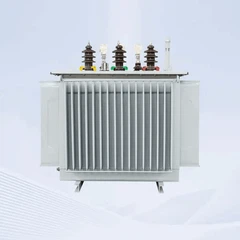







100 kVA Ester-Filled vs 80 kVA Oil-Filled Transformer: Small-Scale Selection
Jan 29, 2026
Leave a message
Capacity and Load Adaptation
The first selection factor is the load that the transformer must carry. A 100 kVA ester-filled unit suits facilities with moderate to high small-scale demand, typically operating between 80% and 90% of rated capacity, such as a medium workshop with several machines, a residential community of several hundred households, or a mixed-use commercial building. An 80 kVA oil-filled transformer fits lower loads, typically between 64 and 72 kVA, such as a small workshop, a smaller residential block, or a single retail unit. Both designs can handle short-term peak loads above their rating, but the duration and frequency of the peak must stay within the design margins, otherwise the winding temperature rise exceeds the limits of IEC 60076-2.
Fire Safety and Environmental Impact
Safety behavior differs significantly between the two fluids. Natural ester fluid has a flash point above 300 degrees Celsius and is classified as a less-flammable liquid, which practically eliminates the fire risk in compact indoor rooms and avoids the need for a large oil containment system. It is also biodegradable, which reduces the environmental risk if leakage ever occurs. Mineral oil, by contrast, has a flash point around 140 to 160 degrees Celsius, is flammable, and requires an oil containment bund and careful leak monitoring. For small-scale sites close to residential areas, schools, or eco-sensitive zones, the ester-filled unit simplifies compliance and saves the space that a containment system would occupy.
Installation and Space Considerations
Small facilities often have limited space. The ester-filled unit is typically lighter than an oil-filled design of similar capacity because the ester fluid has a higher density but the tank is simpler without the need for extra containment, and its installation footprint is smaller. The oil-filled unit needs additional space for the containment bund and for safe clearance around the tank, and the larger oil volume requires lifting equipment during indoor installation. For a room where floor area is at a premium, the ester-filled design reduces installation time and simplifies the civil work.
Cost and Maintenance Over the Service Life
The purchase price of an ester-filled transformer is higher than a mineral-oil unit of the same size, but the comparison over the service life changes the picture. Ester fluid degrades more slowly and is normally replaced less frequently, while mineral oil is tested periodically and replaced on a shorter cycle. Lower maintenance and the absence of a containment system reduce the running cost of the ester design, so for a facility that plans to operate for many years the total ownership cost can be lower despite the higher first price. For a short-term project with a tight budget, the mineral-oil unit remains the more economical choice.
Selection Checklist
| Selection Criterion | 100 kVA Ester-Filled | 80 kVA Oil-Filled |
|---|---|---|
| Ideal load range | 80 to 90 kVA | 64 to 72 kVA |
| Fire safety | High flash point fluid, low fire risk | Flammable mineral oil, containment required |
| Environmental profile | Biodegradable fluid | Mineral oil, leak risk |
| Space needed | Smaller footprint, no containment | Larger footprint with bund |
| First cost | Higher | Lower |
| Long-term cost | Lower maintenance, longer fluid life | Higher maintenance and fluid replacement |
FAQ
Q: What is the difference between ester fluid and mineral oil?
A: Ester fluid is a synthetic or natural ester with a flash point above 300 degrees Celsius and good biodegradability, while mineral oil is a petroleum product with a flash point around 140 to 160 degrees Celsius.
Q: Which transformer should a small workshop choose?
A: If the workshop load is between 64 and 72 kVA and the site is well ventilated, an 80 kVA mineral-oil unit saves cost; if the load is higher or the room is compact and fire-sensitive, a 100 kVA ester-filled unit is safer.
Q: Is an ester-filled transformer more expensive to maintain?
A: No, maintenance is generally lower because the fluid degrades more slowly and needs replacement less often than mineral oil, which requires periodic testing and shorter replacement cycles.
Q: Does the ester-filled transformer still need an oil containment bund?
A: The requirement depends on local regulations, but because ester fluid is biodegradable and less flammable, many jurisdictions allow a simpler containment arrangement than for mineral oil.
Q: Can these transformers be installed indoors?
A: Yes, the ester-filled unit is well suited to indoor compact rooms thanks to its fire safety; the mineral-oil unit can be installed indoors when the room is ventilated and fire-rated and a containment measure is provided.
Q: What standards apply to these designs?
A: General requirements follow IEC 60076-1 and IEC 60076-2 for temperature rise, with the fluid-specific requirements for ester-filled transformers covered by IEC 60076-14.
Send Inquiry