









150kva Dry Type Transformer vs. 200kva Model: Which Fits Your Commercial Building Load?
Jan 27, 2026
Leave a message
Selecting the correct transformer size is a critical decision for the safety, efficiency, and future-proofing of your commercial building's electrical system. An undersized unit risks overload and failure, while an oversized one wastes capital and energy.
As a leading manufacturer of dry-type transformers with extensive experience in commercial and industrial power solutions, GNEE provides reliable, high-efficiency units directly from our factory.
This guide will help you understand the key differences between 150kVA and 200kVA dry type transformers and determine the right fit for your load requirements.
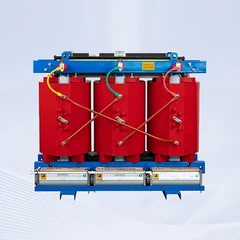
A dry-type transformer is an air-cooled, non-liquid insulated unit ideal for indoor commercial applications due to its safety, low maintenance, and environmental friendliness. The kVA (kilovolt-ampere) rating indicates its apparent power capacity, directly determining the electrical load it can support.
Load Capacity and Application Sizing: The Core Difference
The primary distinction is in the maximum load each transformer can handle continuously. Proper sizing requires calculating your building's total connected load and demand factor.
| Parameter | 150kVA Dry Type Transformer | 200kVA Dry Type Transformer |
|---|---|---|
| Typical Maximum Continuous Load | ~120-135 kW (at 0.8-0.9 PF) | ~160-180 kW (at 0.8-0.9 PF) |
| Key Application Scenarios | • Medium-sized retail stores • Small office buildings (6-10 floors) • Light manufacturing workshops • School buildings • Healthcare clinics |
• Large retail complexes • Multi-story office towers • Data center support loads • Hotels & Conference centers • Hospitals & Large medical facilities |
| Future Growth Buffer | Minimal to moderate (15-20% spare capacity) | Significant (20-30%+ spare capacity for expansion) |
Efficiency, Losses, and Operating Costs
Larger transformers are not just about capacity; their efficiency profile impacts long-term operating expenses.
- No-Load and Load Losses: All transformers have core (no-load) and coil (load) losses. A 200kVA transformer typically has higher absolute no-load losses than a 150kVA model due to more core material. However, when operating near its rated capacity, its efficiency (η) can be higher because it's not overloaded.
- The 75% Loading Rule: Transformers often operate most efficiently at 60-80% of their rated load. A chronically overloaded 150kVA unit will have higher losses and a shorter lifespan than a properly loaded 200kVA unit.
- Energy Cost Implication: For a 24/7 operation, selecting a transformer that runs in its peak efficiency range can lead to substantial energy savings over a 10-20 year lifespan, potentially offsetting its higher initial cost. Our energy-efficient dry-type transformers are designed to meet or exceed DOE and IEC standards.
Physical Dimensions, Installation, and Initial Cost
Practical considerations for installation and budget are equally important.
- Size & Weight: A 200kVA transformer is physically larger and heavier, requiring more robust floor support and careful planning for delivery and placement. Clearance for ventilation is also crucial.
- Initial Investment: The upfront cost of a 200kVA model is higher due to increased materials (copper/aluminum, core steel). This must be weighed against the risk and cost of prematurely upgrading an undersized 150kVA unit.
- Installation & Electrical Gear: The larger unit may require higher-rated upstream breakers and cabling, adding to the total project cost.

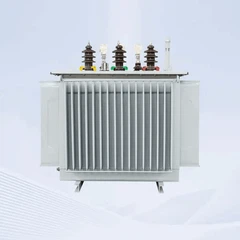
150kVA vs. 200kVA dry-type transformer dimensions and footprint.
Step-by-Step Guide: How to Choose the Right kVA Rating
Follow this practical guide to make an informed decision:
- Calculate Your Total Connected Load: List all major loads (HVAC, lighting, elevators, machinery, IT servers).
- Apply a Demand Factor: Not all equipment runs simultaneously. Consult an electrical engineer or use standard demand factors (e.g., NEC guidelines) to find your maximum demand load (kVA).
- Add a Safety & Growth Margin: Add 15-25% to your calculated demand load for safety and future expansion.
- Match to Standard Ratings: Compare your final figure to standard kVA ratings (e.g., 150, 200, 250). Choose the next standard size equal to or greater than your requirement.
- Consult the Experts: For critical projects, consult with our GNEE engineering team for a detailed load study and recommendation.
Conclusion: Prioritize Safety, Efficiency, and Future Needs
In summary, the 150kVA dry type transformer is a cost-effective solution for well-defined, stable commercial loads with limited growth plans. The 200kVA model is the robust choice for larger facilities, dynamic loads, or where significant future expansion is anticipated, offering better efficiency under higher loads and valuable headroom.
Don't risk your power infrastructure with guesswork. Contact GNEE's power solutions team today for a free, professional load assessment and a detailed quote on the optimal 150kVA or 200kVA dry-type transformer for your commercial building. Ensure reliable, efficient power for years to come.
Send Inquiry