









630kVA Oil-Immersed Transformer: Fault Troubleshooting Guide
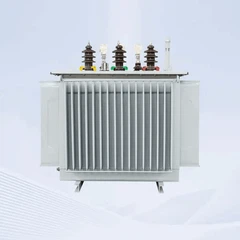
Power transformers are essential components in electrical distribution systems, and maintaining their reliable operation is critical for industrial facilities and substations. The 630kVA Oil Immersed Transformer is widely used in power distribution networks due to its excellent cooling performance, stable voltage regulation, and long operational lifespan.
However, like any electrical equipment, a 630kVA Oil Immersed Transformer may experience operational issues over time due to environmental conditions, aging components, improper maintenance, or electrical overloads. Identifying faults early and applying proper troubleshooting methods can prevent equipment damage and avoid costly downtime.
Professional transformer manufacturers such as GNEE Electric recommend implementing systematic fault detection procedures and regular inspection routines to ensure the safe and stable operation of distribution transformers.

Technician inspecting an oil immersed transformer in a power distribution substation
Overheating Issues in 630kVA Oil Immersed Transformers
For standard S11/S13 series 630kVA oil immersed distribution transformers, the normal top oil temperature shall not exceed 85°C; the alarm threshold is generally set at 95°C, and trip protection usually activates at 105°C. Long-term continuous operation above 95°C will accelerate insulation aging. The suggested long-term safe load rate is below 85% of rated capacity.
Possible Causes of Transformer Overheating
Several factors may lead to excessive temperature rise:
- overloading beyond rated capacity
- blocked cooling radiators
- poor oil circulation
- high ambient temperature
When internal temperature rises above safe limits, insulation materials may deteriorate rapidly.
Troubleshooting and Solutions
To resolve overheating problems:
- reduce transformer load to rated capacity
- clean radiator fins to improve heat dissipation
- check oil circulation inside the cooling system
- monitor temperature indicators regularly
Proper cooling system maintenance helps ensure long-term stability of a 630kVA Oil Immersed Transformer.

Radiator cooling fins on transformer showing heat dissipation structure
Oil Leakage Problems in 630kVA Oil Immersed Transformers
Oil leakage can affect both cooling efficiency and insulation performance.
Common Causes of Oil Leakage
Oil leakage may occur due to:
- aging gaskets or seals
- loose bolts or fittings
- corrosion of the transformer tank
- mechanical damage during transportation
Even minor oil leaks can gradually reduce the oil level and compromise transformer safety.
Troubleshooting Methods
To solve oil leakage issues:
- inspect sealing points around valves and flanges
- tighten loose bolts and replace damaged seals
- repair or weld damaged tank areas if necessary
- restore proper oil level after repairs
Routine inspection of the oil tank helps prevent long-term operational risks.
Abnormal Noise & Vibration Faults
Normal transformers produce uniform low hum. Abnormal noise is an obvious early warning signal.
Possible Causes
Loose core clamping structure; loose bolts on radiators and tank; DC magnetic bias; partial discharge inside oil; winding displacement; resonance with foundation.
Troubleshooting and Solutions
Listen to distinguish noise characteristics; check all fastening components; test for DC bias; carry out partial discharge inspection; reinforce base supports to eliminate resonance.
Insulation Failure in 630kVA Oil Immersed Transformers
Insulation failure is a serious fault that can lead to electrical breakdown or transformer shutdown.
Causes of Insulation Deterioration
Common causes include:
- moisture contamination in transformer oil
- aging insulation materials
- overheating caused by overload
- external electrical surges
These conditions may reduce insulation strength and increase the risk of short circuits.
Reference indicator: Under stable ambient temperature, the insulation resistance between winding and tank should be no less than 300 MΩ. A sharp continuous drop in measured values indicates moisture or insulation degradation.
Diagnostic Tests
Engineers typically perform several tests to detect insulation problems:
- insulation resistance test
- dielectric strength test of transformer oil
- dissolved gas analysis (DGA)
Early diagnosis can prevent catastrophic transformer failures.
Gas Relay (Buchholz Relay) Actuation
This protection device responds to internal faults inside the transformer.
Possible Causes
Slow internal faults produce accumulated gas; serious internal short-circuit leads to sudden oil flow; oil leakage causes insufficient oil level; air enters the tank during oil replenishment.
Troubleshooting and Solutions
Collect and analyze gas samples; check oil level and leakage points; conduct DGA and electrical tests; do not reclose the transformer blindly when heavy gas protection operates.
Voltage Instability in 630kVA Oil Immersed Transformers
Voltage instability can disrupt equipment operation in industrial power systems.
Possible Causes
Voltage fluctuations may be caused by:
- incorrect tap changer settings
- excessive load variation
- winding damage or internal faults
- poor electrical connections
These issues can affect downstream equipment such as motors, control systems, and automation equipment.
Troubleshooting Steps
To restore stable voltage output:
- check and adjust tap changer positions
- inspect load distribution in the power system
- test winding resistance for abnormalities
- tighten loose electrical connections
Proper system monitoring helps maintain voltage stability in distribution networks.
Winding Short Circuit & Turn-to-Turn Fault
This is a destructive internal fault, often triggered by insulation aging, overheating or lightning surges.
Possible Causes
Aging paper insulation; overheating carbonization; lightning impulse; moisture intrusion.
Troubleshooting and Solutions
Measure DC resistance of each phase winding to find phase imbalance; carry out transformer ratio test and DGA; overhaul the winding if abnormal data appears.
Common Fault Diagnosis Table
| Fault Type | Possible Cause | Recommended Solution |
|---|---|---|
| Overheating | Overload, blocked radiator, poor internal contacts | Reduce load, clean cooling system, test winding resistance |
| Oil Leakage | Damaged seals or tank corrosion | Replace seals and repair tank, supplement transformer oil |
| Abnormal Noise & Vibration | Loose fasteners, core looseness, resonance | Tighten all bolts, reinforce base, test partial discharge |
| Insulation Failure | Moisture or aging insulation | Perform oil testing, dry or replace oil as required |
| Gas Relay Actuation | Internal fault, air intake, insufficient oil level | Analyze gas samples, complete electrical diagnostic tests |
| Voltage Instability | Tap changer issue or loose connections | Adjust tap settings, inspect wiring and terminals |
| Winding Turn-to-Turn Short Circuit | Insulation aging, lightning surge | Check winding DC resistance, transformer ratio and DGA |
Implementing regular inspection procedures helps identify these problems before they lead to major equipment failure.
Preventive Measures for Transformer Faults
Preventive maintenance is the most effective way to minimize transformer faults.
Recommended practices include:
regular oil quality testing
- routine inspection of cooling systems
- monitoring operating temperature and load
- performing periodic electrical testing
These measures significantly improve the reliability and service life of a 630kVA Oil Immersed Transformer.
Conclusion
Although distribution transformers are designed for long-term operation, issues such as overheating, oil leakage, abnormal noise, insulation failure, gas relay action, voltage instability and winding faults may occur during service. Understanding how to troubleshoot these common faults in 630kVA Oil Immersed Transformers helps operators quickly identify problems and restore stable operation.
If you need professional guidance for diagnosing transformer issues or selecting a reliable 630kVA Oil Immersed Transformer, contact GNEE today for expert technical support and competitive pricing.
👉 Send your inquiry now and our engineering team will help you find the best transformer solution for your power system.
Send Inquiry