


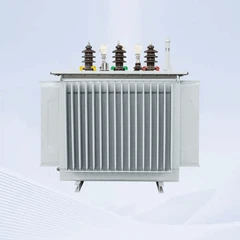
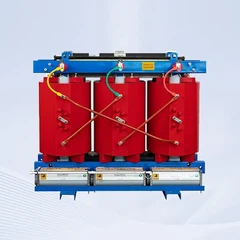





Copper vs. Aluminum Windings: Evaluating Efficiency and Load Loss in 500 kVA Three Phase Oil Immersed Transformers
Mar 19, 2026
Leave a message
When selecting 500 kVA three phase oil immersed transformers copper vs aluminum windings, one of the most critical decisions is the choice of conductor material. At GNEE Electric, we are a professional transformer manufacturer with extensive experience supplying both copper and aluminum winding transformers to global markets, helping customers optimize cost, efficiency, and long-term performance.
Understanding the differences between copper and aluminum windings is essential for buyers aiming to balance initial investment and lifecycle cost.
In this article, we provide a detailed comparison focusing on efficiency, load loss, and practical application scenarios.
What Are Copper vs Aluminum Windings in 500 kVA Three Phase Oil Immersed Transformers
In 500 kVA three phase oil immersed transformers copper vs aluminum windings, the winding material directly impacts electrical conductivity, thermal performance, and durability.
- Copper windings: High conductivity, compact design, and superior mechanical strength
- Aluminum windings: Lightweight, cost-effective, and widely used in budget-sensitive projects
Both materials are widely accepted under IEC and ANSI standards, but their performance characteristics differ significantly.
Efficiency Comparison in Copper vs Aluminum Windings in 500 kVA Three Phase Oil Immersed Transformers
Electrical Conductivity and Efficiency Performance
Copper has approximately 60% higher electrical conductivity than aluminum. This means:
- Lower resistance
- Reduced energy losses
- Higher efficiency under load
As a result, 500 kVA three phase oil immersed transformers copper vs aluminum windings typically show better efficiency when copper is used, especially in continuous operation environments.
Impact on Temperature Rise and Heat Dissipation
Lower resistance in copper windings leads to reduced heat generation. This helps maintain lower operating temperatures, which:
- Improves insulation lifespan
- Enhances transformer reliability
- Supports stable long-term operation

Transformer winding close-up
Load Loss Analysis in Copper vs Aluminum Windings in 500 kVA Three Phase Oil Immersed Transformers
Understanding Load Loss in Transformers
Load loss (also called copper loss) occurs due to resistance in the windings when current flows. It is a key factor affecting operational efficiency.
Copper vs Aluminum Load Loss Performance
- Copper windings: Lower resistance → lower load loss
- Aluminum windings: Higher resistance → higher load loss
For the same design capacity:
- Copper transformers can reduce load loss by 5–15%
- Aluminum transformers may require larger cross-sections to achieve similar performance
This makes copper a preferred choice for projects with high load factors or long operating hours.
Cost vs Performance Trade-Off in Copper vs Aluminum Windings in 500 kVA Three Phase Oil Immersed Transformers
Initial Investment Comparison
- Aluminum is significantly cheaper than copper
- Aluminum transformers typically cost 10–20% less
This makes aluminum suitable for projects with tight budgets.
Lifecycle Cost Consideration
Although aluminum has lower upfront cost, copper often provides better long-term value due to:
- Lower energy losses
- Reduced operating costs
- Longer service life
For high-load or critical applications, copper windings are usually more economical over time.

Transformer production workshop
Mechanical Strength and Reliability in Copper vs Aluminum Windings in 500 kVA Three Phase Oil Immersed Transformers
Short-Circuit Strength
Copper has higher tensile strength, making it more resistant to deformation under short-circuit conditions. This improves transformer durability.
Oxidation and Connection Stability
- Copper forms stable oxide layers that maintain conductivity
- Aluminum is more prone to oxidation, requiring careful joint design
This means copper windings generally offer more reliable connections and lower maintenance risks.
Technical Parameters of 500 kVA Three Phase Oil Immersed Transformers (Copper vs Aluminum)
| Parameter | Copper Winding | Aluminum Winding |
|---|---|---|
| Rated Capacity | 500 kVA | 500 kVA |
| Conductivity | High | Medium |
| Load Loss | Lower | Higher |
| Efficiency | Higher | Slightly Lower |
| Temperature Rise | Lower | Higher |
| Mechanical Strength | Strong | Moderate |
| Initial Cost | Higher | Lower |
| Maintenance Requirement | Low | Moderate |
| Service Life | 20–30 years | 15–25 years |
| Standards | IEC / ANSI / GB | IEC / ANSI / GB |
Applications of Copper vs Aluminum Windings in 500 kVA Three Phase Oil Immersed Transformers
When to Choose Copper Windings
- Industrial plants with continuous operation
- High-load environments
- Critical infrastructure projects
- Locations requiring long service life
When to Choose Aluminum Windings
- Budget-sensitive projects
- Light to moderate load applications
- Temporary or short-term installations
Why Choose GNEE for 500 kVA Three Phase Oil Immersed Transformers Copper vs Aluminum Windings
At GNEE Electric, we provide both copper and aluminum winding transformers with:
- Customized design solutions based on your load and environment
- Strict quality control ensuring international standards compliance
- Fast delivery and global export experience
- Professional technical consultation to help you choose the right material
We understand that every project has unique requirements, and we help customers make informed decisions that maximize return on investment.
Conclusion: Copper vs Aluminum Windings in 500 kVA Three Phase Oil Immersed Transformers-Which Should You Choose?
In conclusion, 500 kVA three phase oil immersed transformers copper vs aluminum windings each offer distinct advantages. Copper provides superior efficiency, lower load loss, and longer service life, while aluminum offers cost savings and lighter weight.
The best choice depends on your project priorities-whether it's upfront cost or long-term performance. If you need expert guidance, GNEE Electric is here to help. Contact us today to get a tailored solution and competitive quote-send your inquiry now and optimize your transformer investment!
Send Inquiry