


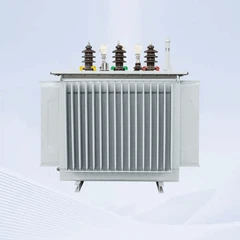





500 kVA Oil-Immersed Transformer for 50°C Desert Service: Saudi Oil & Gas Case
Mar 19, 2026
Leave a message
For a Saudi Arabian oil & gas site with 50°C summer ambient, a standard 500 kVA oil-immersed transformer is not enough: the same temperature-rise allowance applied at 40°C ambient leaves the windings 10 K hotter, which materially shortens insulation life. The project-specific design described here declares a ≤ 60 K rise, larger radiators, and a 13.8 kV / 0.4 kV, 60 Hz, Dyn11 configuration to hold hot-spot temperature within ~98°C while keeping ONAN cooling - with ONAF fans as an optional overload reserve.
Key Takeaways
- Requirement: 50°C ambient duty forces a lower declared temperature rise and bigger cooling surface than a temperate-climate unit - 60 K rise instead of the 65 K IEC maximum.
- Configuration: 500 kVA, 13.8 kV / 0.4 kV, 60 Hz, Dyn11, copper windings, high-temperature-grade mineral oil, IP23 - a North-American-standards-style spec common in Saudi industrial installations.
- Reliability levers: reinforced sealing against sand and humidity, anti-corrosion coating, and design for a 20+ year life per IEC 60076-7 ageing rules.
- Client details are anonymised in this public case description; specific project data is available to qualified buyers under NDA.
1. The Problem: Standard Transformers at 50°C Ambient
The end customer - an EPC contractor running remote oil-extraction facilities - reported repeated overheating failures on previous units. Four site factors drive the specification:
- Extreme ambient temperatures reaching 50°C in summer.
- Continuous heavy load at remote sites with no on-site maintenance crew.
- High failure history of standard transformers due to insulation overheating.
- Tight EPC milestones - reliability had to be designed in, not tested in.
The physics is unforgiving: IEC 60076-2 rates oil-immersed transformers at 40°C reference ambient. Every degree above that consumes part of the rise allowance, and insulation ageing follows an Arrhenius-type rule in IEC 60076-7 - roughly a halving of life for each 6–8 K of sustained hot-spot increase. A 10 K ambient penalty is therefore not cosmetic; it is a lifetime decision.
2. The Solution: Engineered for the Desert, Not Adapted Afterward
2.1 Cooling and temperature rise
- Increased radiator surface area for natural convection (ONAN), with oil circulation paths optimised to push hot oil through the cooling fins efficiently.
- Declared temperature rise ≤ 60 K (average winding) instead of the 65 K maximum - a deliberate 5 K margin.
- Optional ONAF fans as an overload reserve for peak summer loads.
2.2 Materials and structure
- High-temperature-grade insulation system (Class F-rated materials in a high-temp mineral-oil system) to slow thermal ageing.
- Low-loss grain-oriented core and copper windings to minimise heat generation at source.
- Anti-corrosion coating system for desert UV and sand abrasion.
- Reinforced gaskets and sealing to stop oil leakage and dust ingress - the two classic desert failure modes.
- Mechanical reinforcement for transport and installation at remote sites.
3. Technical Parameters
| Parameter | Specification |
|---|---|
| Rated capacity | 500 kVA |
| Voltage ratio | 13.8 kV / 0.4 kV |
| Cooling method | ONAN (optimised) / ONAF optional |
| Vector group | Dyn11 |
| Frequency | 60 Hz |
| Ambient temperature | Up to 50°C |
| Temperature rise (average winding) | ≤ 60 K |
| Hot-spot temperature | ≤ ~98°C |
| Winding material | Copper |
| Insulation system | High-temperature class (Class F materials) |
| Oil type | High-temperature-grade mineral oil |
| Protection level | IP23 |
| Standards | IEC 60076 / ANSI-IEEE C57.12 |
Project-specific values; final parameters per the approved datasheet and factory type-test report. Hot-spot temperature per IEC 60076-2 thermal model (rise 60 K + hot-spot allowance).
4. What Made the Difference in Selection
- Track record in high-temperature Middle East projects, evidenced by prior supply references.
- Documented temperature-rise test results rather than design-only promises.
- Fast, schedule-aligned delivery for the EPC programme.
- Engineering support from design review through commissioning.
Design principle worth repeating: in hot climates, specify the transformer by its declared temperature rise at the actual site ambient, not by catalogue rating. The same 500 kVA nameplate can mean a 20-year asset or a 5-year liability depending on that single number.
5. Reported Operating Results
- Stable operation at 50°C ambient through peak summer conditions.
- No overheating or performance degradation observed in the reported period.
- Maintenance demand significantly reduced versus the previous fleet.
- Client reported improved system reliability and lower operating costs; follow-up orders were placed for additional units.
As with any published case, figures above reflect the customer's reported experience and are provided with client details anonymised. Verify your own duty cycle and site conditions with the manufacturer before specifying.

Factory testing – temperature rise test and quality inspection
Why Choose GNEE in Saudi Arabia Oil & Gas Case 500 kVA Oil Immersed Transformer Handles High Temperature
The client ultimately chose GNEE for several key reasons:
- Proven experience in high-temperature projects across Middle East markets
- Strong customization capability tailored to oil & gas environments
- Strict quality control and full testing procedures
- Fast delivery aligned with EPC project timelines
- Professional technical support from design to commissioning
Our ability to understand real field challenges and deliver practical solutions made us a reliable partner.

(Transformer shipment – export packaging and delivery to port)
Frequently Asked Questions
Is 13.8 kV / 0.4 kV a common transformer voltage in Saudi Arabia?
Yes. Saudi Arabia's grid operates at 60 Hz following ANSI/IEEE practice, and 13.8 kV is a widely used medium-voltage level for oil & gas and industrial facilities, stepping down to 0.4 kV (480/277 V or 400 V) for utilisation. Confirm the exact system voltage and vector group with the project's electrical specification before ordering.
Why does a 50°C ambient temperature force transformer design changes?
Transformer temperature rise limits are referenced to a standard ambient (40°C for IEC 60076-2). At 50°C ambient the same rise allowance means the absolute winding temperature is 10 K higher, accelerating insulation ageing. Mitigations include larger radiators, optimized oil circulation, a lower declared temperature rise (e.g. ≤ 60 K instead of 65 K), higher thermal-class insulation, and optional ONAF fans for overload headroom.
What temperature rise is allowed for oil-immersed transformers?
Per IEC 60076-2, the average winding temperature rise limit for oil-immersed transformers is 65 K (with the hot-spot allowance giving a ~98°C hot-spot temperature at 40°C ambient). For 50°C desert duty, prudent practice is to declare a lower rise, e.g. ≤ 60 K, to keep insulation ageing within acceptable rates per IEC 60076-7 loading guide.
How is service life affected by operating at 50°C ambient?
Insulation life halves for roughly every 6–8 K increase in hot-spot temperature above rated (Arrhenius-type ageing per IEC 60076-7). Designing for a 50°C ambient with extra cooling margin and higher thermal-class materials preserves the design life of 20+ years; continuous operation at elevated temperatures without derating would shorten it significantly.
References
- IEC 60076-1 - Power transformers, Part 1: General.
- IEC 60076-2 - Power transformers, Part 2: Temperature rise for liquid-immersed transformers.
- IEC 60076-7 - Power transformers, Part 7: Loading guide for oil-immersed power transformers.
- ANSI/IEEE C57.12.00 - Standard for Liquid-Immersed Distribution, Power, and Regulating Transformers (60 Hz practice).
- GNEE Electric - Oil-Immersed Transformer range.
Standards and figures above were verified against the cited sources as of the publication date. Case information is published with client details anonymised. If you spot an error, contact us so we can correct it.
Designing a Transformer for High-Temperature or Heavy-Load Duty?
Send your site ambient, load profile and system voltage - we will return a datasheet with declared temperature rise and test evidence.
Or email sales@gneeelectric.com · WhatsApp +86 158 2468 7445
Disclaimer: This article is provided for general information and does not constitute engineering advice or a product warranty. Case outcomes reflect customer-reported experience with anonymised details. Confirm all parameters and standards with the manufacturer and the applicable project specification. Henan GNEE Electric Co., Ltd. makes no representation regarding the accuracy of third-party references.
If your project faces high temperature, heavy load, or demanding environments, GNEE Electric is ready to provide a customized solution. Contact us today for expert consultation and a competitive quote-send your inquiry now and ensure long-term reliability for your power system!
Send Inquiry