







Cooling Media for Rectifier Transformers: Air, Oil and Water Compared
Aug 15, 2025
Leave a message
Why Cooling Media Matter for Rectifier Transformers
A rectifier transformer feeds a power converter that supplies direct current to electrochemical processes, DC traction systems, or industrial loads. These units operate with significant harmonic currents and high continuous loading, so they generate more heat than ordinary distribution transformers of the same rating. The cooling medium removes this heat from the windings and core and, in oil immersed designs, also provides part of the electrical insulation. Selecting the right cooling medium is therefore a design decision that affects power rating, efficiency, maintenance, footprint, and environmental safety. The general design requirements for converter-fed transformers are covered by IEC 61378-1, while the cooling and temperature rise rules follow the corresponding transformer standard, IEC 60076-2 for oil immersed units or IEC 60076-11 for dry type units.
Air, Oil and Water: How the Three Media Compare
| Cooling Medium | Typical Design | Heat Removal | Best Suited To |
|---|---|---|---|
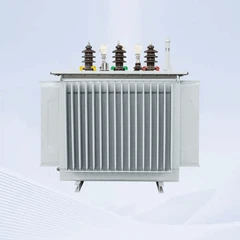
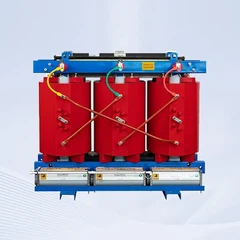
| Air | Dry type, natural or forced air cooling, AN or AF | Air flows over the encapsulated windings | Small and medium power rectifier transformers, indoor installations, fire-sensitive sites |
| Oil | Oil immersed, ONAN, ONAF, or OFAF | Mineral oil circulates inside the tank and transfers heat to radiators | High-power rectifier transformers, outdoor substations, electrochemical plants |
| Water | Hollow-winding or cooling-coil designs, OFWF | Purified water circulates through hollow conductors or cooling coils | Very high current density designs and confined spaces with a reliable water supply |
Oil offers a higher specific heat capacity and higher dielectric strength than air, which is why large rectifier transformers have traditionally been oil cooled. The trade-off is that oil requires sampling, filtration, and leak management, and sealing the bushing lead exits must be done carefully. As insulation materials improved, dry type transformers became dominant for small and medium power rectifier applications, eliminating oil handling entirely. Water cooling achieves the most compact design for extreme current densities, but it demands high-quality demineralized water and a dependable cooling water loop to avoid internal fouling and corrosion.
Cooling Mode Designations
Cooling modes are designated by a four-letter code per IEC 60076-2. ONAN means oil natural circulation with air natural convection; ONAF adds forced air fans; OFAF uses forced oil circulation with forced air. For dry type transformers, AN means natural air cooling and AF means forced air cooling with fans. The rating of a rectifier transformer is usually declared for each cooling mode, because a unit with fans can carry more load than the same unit in natural cooling.
Applications of Rectifier Transformers
Rectifier transformers serve industries that convert alternating current into direct current for process or traction duty:
Electrochemical industry: electrolysis of aluminum, magnesium, copper, zinc, and chlor-alkali production, the largest users of high-power rectifier transformers.
DC traction and urban rail: substations feeding DC overhead lines for locomotives and metro systems.
Industrial processes: DC motors in rolling mills, cranes, and heavy machine drives.
Lighting and auxiliary systems: special power supplies for large lighting installations and machine tool electrical systems.
Electroplating and surface treatment: low-voltage high-current supplies for plating lines.
For the electrochemical sector, the transformer is normally designed for continuous full-load operation with high harmonic content, which means conservative temperature rise margins and additional attention to winding insulation against harmonic heating.
How to Select the Right Cooling Design
Selection of the cooling medium for a rectifier transformer follows the duty and site conditions:
Power level: above roughly 1 MVA, oil immersed designs with radiators and fans are usually more economical than dry type units.
Installation location: indoor and fire-sensitive sites favor dry type air-cooled units; outdoor substations favor oil immersed units.
Harmonic duty: high harmonic content increases eddy losses in windings; specify the harmonic spectrum to the manufacturer so the design margins can be calculated.
Cooling water availability: water cooling is attractive only where treated water and a maintenance program are available.
Ambient conditions: dusty or corrosive environments may require sealed enclosures or higher protection degrees regardless of the cooling medium.
The temperature rise limit and the cooling system rating should be verified by type test per IEC 60076-2 for oil immersed units or IEC 60076-11 for dry type units, and the load profile should be discussed with the manufacturer before finalizing the cooling configuration.
FAQ
Q: Why are large rectifier transformers usually oil cooled?
A: Oil has a higher specific heat capacity and dielectric strength than air, so it removes heat more effectively and provides insulation at the same time. That makes oil immersed designs the economical choice for high-power converter duty.
Q: Can a rectifier transformer be air cooled?
A: Yes. Dry type air-cooled rectifier transformers are common for small and medium power ratings, especially indoors, because they need no oil handling and have lower fire risk. Forced air cooling with fans increases the continuous rating of the same unit.
Q: How does water cooling work in a transformer?
A: In water-cooled designs, purified water circulates through hollow conductors or internal cooling coils to remove heat directly. It gives the most compact unit for very high current densities but requires high-quality water and a reliable cooling loop.
Q: What does the cooling designation ONAN or ONAF mean?
A: The four-letter code per IEC 60076-2 describes the cooling medium and circulation mode. ONAN is oil natural with air natural, and ONAF adds forced air fans for higher rating. Dry type units use AN for natural air and AF for forced air.
Q: Do rectifier transformers need special consideration for harmonics?
A: Yes. Harmonic currents increase eddy losses in the windings and stray losses in structural parts. The harmonic spectrum of the converter should be declared to the manufacturer so the temperature rise design per IEC 60076-2 accounts for the additional heating.
Q: Which industry uses rectifier transformers the most?
A: The electrochemical industry is the largest user, primarily for electrolysis of non-ferrous metals such as aluminum and magnesium, and for chlor-alkali production, where large DC supplies run continuously.
Send Inquiry