





What is a Shunt reactor
Aug 15, 2025
Leave a message
Shunt reactors are inductive loads connected in parallel with transmission lines, primarily to counteract the capacitive effects of long or lightly loaded lines. By absorbing reactive power, shunt reactors help maintain voltage levels within acceptable limits, preventing overvoltages and improving the overall performance of the power system.
Key Functions and Applications:
Voltage Control:
By absorbing reactive power, they help regulate voltage levels, preventing voltage fluctuations and maintaining stable operation.
Ferranti Effect Mitigation:
In long transmission lines, the Ferranti effect can cause voltage at the receiving end to be higher than at the sending end. Shunt reactors help control this effect.
Increased Power Transfer:
By mitigating overvoltages, shunt reactors allow for more active power to be transferred through the transmission line.
Cable Systems:
Shunt reactors are also used in underground cable systems to manage reactive power and voltage.
Reactive Power Compensation:
Shunt reactors compensate for the capacitive reactive power generated by long transmission lines, particularly when they are lightly loaded.
How they work:
Shunt reactors are essentially inductors connected in parallel with the power system. When a long transmission line is lightly loaded, the capacitive charging current can lead to a rise in voltage. The shunt reactor provides an inductive current that counteracts the capacitive current, thus reducing the voltage.
Types of Shunt Reactors:
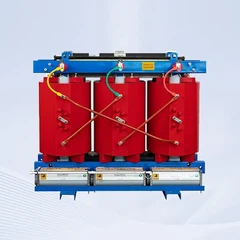
Dry-type:
These reactors are typically air-core reactors, often used in high-voltage applications due to their compact size and maintenance-free design.
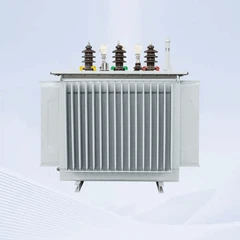
Oil-immersed:
These reactors are similar in construction to power transformers and are used in high-power, high-voltage applications.
Key Considerations:
- Switching: Shunt reactors may be switched on or off depending on the system load conditions.
- Snubber Circuits: In high-voltage systems, shunt reactors may require snubber circuits to protect against transient voltages during switching.
- Harmonic Mitigation: Shunt reactors can also help to mitigate harmonics in the power system.
Send Inquiry