









Why would you use a dry transformer?
Jan 09, 2026
Leave a message
In modern power systems, transformers are core equipment for energy distribution and conversion. Their performance and reliability are directly linked to the overall system's operational efficiency and safety.
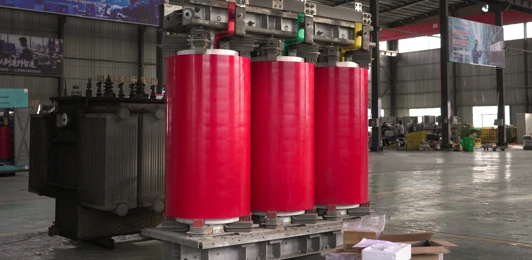
With increasing environmental awareness and technological advancements, dry-type transformers are becoming the preferred choice in industrial, commercial, and public utility sectors. This article addresses the question, "Why use dry-type transformers?" and provides a detailed analysis of their advantages.
What is a Dry Type Transformer?
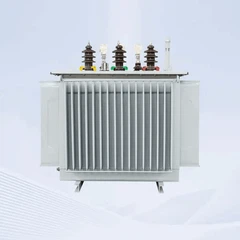
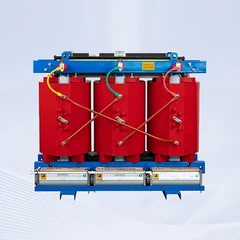
A Dry-Type Transformer does not use liquid coolants (such as oil). Its insulation and cooling systems rely entirely on air or solid materials.
Compared to traditional oil-immersed transformers, dry-type transformers are more environmentally friendly and safer in design, making them particularly suitable for locations with stringent fire and explosion protection requirements, such as high-rise buildings, hospitals, data centers, and factories.
Advantages of Dry Transformers
● Safety and Environmental Benefits
One of the primary advantages of dry type transformers is their enhanced safety profile. Unlike their oil-filled counterparts, they do not pose the risk of oil leaks, which can lead to fires or environmental contamination. Additionally, they utilize environmentally safe, CSA and UL recognized high-temperature insulation systems, further minimizing their environmental impact. This makes dry type transformers a preferred choice for indoor applications, particularly in sensitive environments such as hospitals, high-rise buildings, and schools.
● Lower Maintenance Requirements
Dry type transformers require minimal maintenance compared to oil-filled transformers, translating into lower operational costs over their lifespan. They are designed to offer reliable, trouble-free service for many years, often eliminating the need for regular oil checks, changes, or containment measures. This reduction in maintenance not only decreases costs but also enhances the reliability and uptime of power systems, providing a significant advantage for industries relying on continuous power supply.
Applications in Various Settings
 ● Indoor and Outdoor Suitability
The versatility of dry type transformers makes them suitable for both indoor and outdoor applications. Their robust design and fire-resistant properties make them ideal for installation in confined spaces without the need for fireproof vaults or extensive safety installations. Whether in the basement of a commercial building, a rooftop of a high-rise, or an outdoor substation, dry type transformers can be tailored to meet specific environmental and spatial requirements.
● Industrial and Commercial Uses
Dry type transformers are widely used across various industrial sectors, including manufacturing, chemical processing, and data centers. Their ability to handle high power loads while maintaining safety standards makes them invaluable in production environments where reliability is critical. Moreover, they are increasingly favored in commercial settings, where their ease of installation and reduced maintenance requirements offer significant benefits.
Dry Transformer vs Oil-Filled Transformer

| Aspect | Dry Transformer | Oil-Filled Transformer |
|---|---|---|
| Fire Risk | Very low | Higher |
| Environmental Impact | Minimal | Oil spill risk |
| Maintenance | Low | Higher |
| Indoor Use | Excellent | Limited |
| Initial Cost | Higher | Lower |
| Lifecycle Cost | Lower | Higher |
When Should You Choose a Dry Transformer?
You should consider a dry transformer if:
✔ Installation is indoors or underground
✔ Fire safety regulations are strict
✔ Environmental protection is a priority
✔ Maintenance access is limited
✔ Long-term reliability is critical
For outdoor, high-capacity transmission applications, oil-filled transformers may still be suitable. However, for modern urban and industrial power systems, dry transformers are often the preferred solution.
Conclusion
Choosing a dry-type transformer requires more than just a technological upgrade; it also requires comprehensive considerations of safety, environmental protection, and efficiency.
GNEE helps businesses build smarter and more sustainable power systems with reliable products and professional services. If you're looking for a safe, efficient, and environmentally friendly transformer, GNEE's dry-type transformers are undoubtedly your ideal choice.
What is the difference between wet and dry transformers?
While dry-type transformers eliminate the risk of leaks and spills, liquid transformers are safer for the environment if a leak or spill occurs. Easier recycling: A liquid transformer is also easier to remanufacture or recycle, and they have multiple recycling options.
Are dry type transformers better?
Dry-type transformers are specifically utilized in buildings since they are less hazardous and safer for the environment. They're also less explosive, so they're utilized in malls, offices, hospitals, etc.
What is the difference between a dry transformer and a power transformer?
Dry-type transformers are generally insulated with resin, relying on natural air-cooling, and large-capacity cooling by fans; while oil-impregnated power transformers are insulated by insulating oil, and the inner coil of the transformer is recycled by insulating oil inside the transformer to dissipate heat.
Can dry type transformers be used outside?
Dry type transformers can be installed indoor and outdoor but should dry type transformers be installed indoor or outdoor depends on a number of factors including the application, dry type transformer specification like the size, the power capacity, space, ventilation, fire safety, and security requirements.
Send Inquiry