







Can an Amorphous Core Transformer be used in railway applications?
May 20, 2025
Leave a message
Can an Amorphous Core Transformer be used in railway applications?
Hey there! I'm a supplier of Amorphous Core Transformers, and I've been getting a lot of questions lately about whether these transformers can be used in railway applications. Well, let's dive right in and explore this topic.
First off, let's talk a bit about what Amorphous Core Transformers are. These transformers use an amorphous alloy core, which has some pretty amazing properties. Unlike traditional silicon - steel core transformers, amorphous alloys have extremely low core losses. This means that they can save a significant amount of energy over time. When it comes to railway applications, energy efficiency is a big deal. Railways consume a huge amount of electricity, whether it's for powering trains, running signaling systems, or lighting stations.
One of the key requirements in railway applications is reliability. Trains run on tight schedules, and any disruption in the power supply can lead to major delays and safety issues. Amorphous Core Transformers are known for their high reliability. The amorphous alloy core has a more stable magnetic property compared to conventional cores. This stability reduces the risk of overheating and breakdowns. With fewer breakdowns, railway operators can save on maintenance costs and ensure a more consistent power supply.
Another important factor in railway applications is the ability to handle different load conditions. Trains have varying power demands depending on whether they are accelerating, cruising, or braking. Amorphous Core Transformers can adapt well to these fluctuating loads. They have a good load - following capacity, which means they can adjust the power output according to the actual demand. This is crucial for maintaining the efficiency of the railway power system.
Now, let's look at the different types of Amorphous Core Transformers that could be suitable for railway applications.
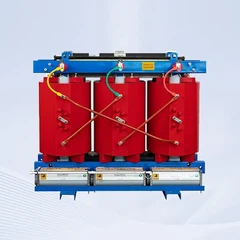
The Amorphous Alloy Dry Type Transformer is a great option. Dry - type transformers are ideal for indoor installations, such as in railway stations or control rooms. They don't use oil for cooling, which eliminates the risk of oil spills and fire hazards. This is a major advantage in railway environments where safety is of utmost importance. These transformers are also easy to install and maintain, making them a practical choice for railway operators.
The Amorphous Alloy Distribution Transformer can play a vital role in distributing power within the railway network. They are designed to step down the high - voltage power from the grid to a lower voltage that can be used by various railway equipment. The low core losses of these transformers mean that less energy is wasted during the power distribution process, resulting in cost savings for the railway operator.
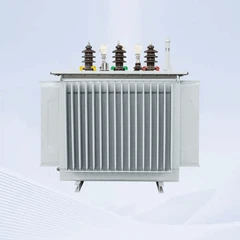
The Oil - Immersed Amorphous Alloy Transformer is another option, especially for outdoor applications along the railway tracks. Oil - immersed transformers have better heat - dissipation capabilities, which is important when dealing with high - power loads. They can handle large amounts of power and are suitable for powering traction systems that require a lot of energy.
However, there are also some challenges when using Amorphous Core Transformers in railway applications. One of the main challenges is the initial cost. Amorphous Core Transformers are generally more expensive than traditional transformers. But it's important to look at the long - term benefits. The energy savings and reduced maintenance costs over the lifespan of the transformer can offset the higher upfront cost.
Another challenge is the limited availability of amorphous alloy materials. The production of amorphous alloys requires specialized manufacturing processes, and the supply may be affected by market conditions. But as the demand for energy - efficient transformers grows, more manufacturers are investing in the production of amorphous alloys, which should help to improve the availability in the future.
In terms of installation, railway environments can be harsh. There are vibrations from passing trains, temperature variations, and exposure to dust and moisture. Amorphous Core Transformers need to be properly installed and protected to ensure their long - term performance. This may require additional installation and protection measures, such as vibration - isolation mounts and weatherproof enclosures.
Despite these challenges, I believe that Amorphous Core Transformers have great potential in railway applications. The energy - saving benefits, high reliability, and load - following capabilities make them a strong candidate for powering the railway infrastructure.


If you're a railway operator or someone involved in the railway industry and you're considering using Amorphous Core Transformers, I'd love to have a chat with you. We can discuss your specific power requirements, the best type of transformer for your application, and how we can help you achieve energy savings and cost - effectiveness. Whether you need a Amorphous Alloy Dry Type Transformer, an Amorphous Alloy Distribution Transformer, or an Oil - Immersed Amorphous Alloy Transformer, we've got you covered. Reach out to us to start a discussion about your procurement needs.
References:
- "Energy - efficient transformers in railway systems" - Journal of Railway Engineering
- "Advantages and challenges of amorphous core transformers" - Electrical Engineering Review
Send Inquiry