





How does a pressure relief device in a pole distribution transformer operate?
Jul 09, 2025
Leave a message
As a supplier of pole distribution transformers, I've witnessed firsthand the critical role that pressure relief devices play in ensuring the safe and efficient operation of these essential electrical components. In this blog post, I'll delve into the inner workings of pressure relief devices in pole distribution transformers, explaining how they function, why they're necessary, and the benefits they provide.
Understanding Pole Distribution Transformers
Before we dive into the details of pressure relief devices, let's first understand what pole distribution transformers are and how they work. Pole distribution transformers are electrical transformers that are mounted on utility poles to step down high-voltage electricity from the power grid to a lower voltage suitable for use in homes, businesses, and other end-user applications. These transformers are typically single-phase or three-phase and come in a variety of sizes and capacities, ranging from a few kilovolt-amperes (kVA) to several hundred kVA.
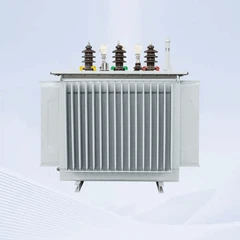
The basic components of a pole distribution transformer include a core, windings, a tank, and insulating oil. The core is made of laminated steel sheets and provides a path for the magnetic flux. The windings are made of copper or aluminum conductors and are wound around the core to create a magnetic field. The tank is a metal enclosure that houses the core and windings and is filled with insulating oil to provide electrical insulation and cooling.
The Importance of Pressure Relief Devices
During normal operation, pole distribution transformers generate heat due to the electrical losses in the windings and core. The insulating oil in the transformer helps to dissipate this heat and keep the temperature within safe limits. However, under certain conditions, such as a short circuit or an overload, the temperature and pressure inside the transformer can increase rapidly, leading to the generation of gases and the expansion of the insulating oil.
If the pressure inside the transformer exceeds the design limit, it can cause the tank to rupture, releasing the insulating oil and gases into the environment. This can not only damage the transformer but also pose a significant safety hazard to personnel and the surrounding area. Pressure relief devices are installed in pole distribution transformers to prevent this from happening by providing a means of releasing the excess pressure safely.
How Pressure Relief Devices Operate
Pressure relief devices in pole distribution transformers typically consist of a pressure relief valve and a vent pipe. The pressure relief valve is a spring-loaded valve that is designed to open when the pressure inside the transformer exceeds a predetermined set point. The vent pipe is a pipe that is connected to the pressure relief valve and provides a path for the gases and oil to escape to the atmosphere.
When the pressure inside the transformer reaches the set point of the pressure relief valve, the valve opens, allowing the excess pressure to be released through the vent pipe. The vent pipe is usually located at the top of the transformer tank and is designed to direct the gases and oil away from the transformer and any nearby personnel or equipment.
Once the pressure inside the transformer has been reduced to a safe level, the pressure relief valve closes, preventing any further release of gases and oil. The transformer can then continue to operate normally, provided that the cause of the overpressure condition has been addressed.
Types of Pressure Relief Devices
There are several types of pressure relief devices that can be used in pole distribution transformers, including:
- Spring-Loaded Pressure Relief Valves: These are the most common type of pressure relief devices used in pole distribution transformers. They consist of a spring-loaded valve that is designed to open when the pressure inside the transformer exceeds a predetermined set point.
- Blasting Fuses: These are devices that are designed to rupture when the pressure inside the transformer exceeds a certain level. They are typically installed in the transformer tank and provide a means of releasing the excess pressure quickly.
- Pressure Relief Panels: These are panels that are designed to rupture when the pressure inside the transformer exceeds a certain level. They are typically installed on the side of the transformer tank and provide a means of releasing the excess pressure in a controlled manner.
Benefits of Pressure Relief Devices
The use of pressure relief devices in pole distribution transformers provides several benefits, including:


- Safety: Pressure relief devices help to prevent the rupture of the transformer tank, which can release the insulating oil and gases into the environment and pose a significant safety hazard to personnel and the surrounding area.
- Reliability: By preventing the damage to the transformer caused by overpressure conditions, pressure relief devices help to improve the reliability and longevity of the transformer.
- Compliance: Pressure relief devices are required by various national and international standards and regulations to ensure the safe and reliable operation of pole distribution transformers.
Conclusion
In conclusion, pressure relief devices are essential components of pole distribution transformers that play a critical role in ensuring the safe and efficient operation of these essential electrical components. By providing a means of releasing the excess pressure safely, pressure relief devices help to prevent the damage to the transformer and the surrounding area and improve the reliability and longevity of the transformer.
If you're in the market for a pole distribution transformer, I encourage you to consider our 25KVA Single Phase Pole Mounted Distribution Transformer, 50KVA Pole Mounted Distribution Power Transformers, or 50 KVA Pole Mounted Transformer. Our transformers are designed and manufactured to the highest standards of quality and reliability and are equipped with pressure relief devices to ensure the safe and efficient operation.
If you have any questions or would like to discuss your specific requirements, please don't hesitate to contact us. We'll be happy to assist you in finding the right transformer for your needs.
References
- IEEE C57.12.00-2010, Standard General Requirements for Liquid-Immersed Distribution, Power, and Regulating Transformers
- IEC 60076-1:2011, Power transformers - Part 1: General
- ANSI C57.12.20-2010, Standard Requirements for Liquid-Immersed Distribution, Power, and Regulating Transformers
Send Inquiry