







How is the amorphous alloy core made for a transformer?
Jul 30, 2025
Leave a message
Hey there! As a supplier of Amorphous Alloy Transformers, I'm super excited to share with you how the amorphous alloy core for a transformer is made. It's a pretty cool process, and understanding it can give you a better idea of why these transformers are so awesome.


What is an Amorphous Alloy?
First things first, let's talk about what an amorphous alloy is. Unlike traditional crystalline metals, where the atoms are arranged in a regular, repeating pattern, amorphous alloys have a disordered atomic structure. This gives them some unique properties, like low core loss, high magnetic permeability, and excellent corrosion resistance. These properties make amorphous alloys ideal for use in transformer cores, as they can significantly reduce energy losses and improve the overall efficiency of the transformer.
The Manufacturing Process
The process of making an amorphous alloy core for a transformer involves several steps, each of which is crucial for ensuring the quality and performance of the final product. Here's a step-by-step breakdown of the process:
Step 1: Melting the Alloy
The first step in the process is to melt the raw materials that make up the amorphous alloy. These materials typically include iron, boron, and silicon, along with small amounts of other elements. The raw materials are placed in a furnace and heated to a temperature of around 1,300 to 1,500 degrees Celsius, which is hot enough to melt them into a liquid state.
Step 2: Rapid Solidification
Once the alloy is melted, it's time for the rapid solidification process. This is where the magic happens! The molten alloy is poured onto a rapidly rotating copper wheel, which cools the alloy at an incredibly fast rate of around 1 million degrees Celsius per second. This rapid cooling prevents the atoms from forming a regular crystalline structure, resulting in an amorphous alloy with a disordered atomic arrangement.
Step 3: Forming the Ribbon
As the molten alloy hits the rotating copper wheel, it solidifies into a thin ribbon. The ribbon is typically around 20 to 30 micrometers thick and several millimeters wide. The thickness and width of the ribbon can be controlled by adjusting the speed of the copper wheel and the flow rate of the molten alloy.
Step 4: Annealing the Ribbon
After the ribbon is formed, it's annealed to relieve any internal stresses and improve its magnetic properties. Annealing involves heating the ribbon to a specific temperature and holding it there for a certain period of time. The annealing process typically takes place in a controlled atmosphere to prevent oxidation of the ribbon.
Step 5: Cutting the Ribbon
Once the ribbon is annealed, it's cut into the desired length and shape using a precision cutting machine. The cut ribbons are then stacked together to form the core of the transformer. The stacking process is carefully controlled to ensure that the ribbons are aligned properly and that there are no gaps or overlaps between them.
Step 6: Assembling the Core
After the ribbons are stacked, they're assembled into the core of the transformer. The core is typically made up of multiple layers of stacked ribbons, which are held together by a clamping system. The clamping system ensures that the ribbons are tightly packed together, which helps to reduce the core loss and improve the efficiency of the transformer.
Step 7: Insulating the Core
Once the core is assembled, it's insulated to prevent electrical short circuits. The core is typically wrapped in a layer of insulating material, such as paper or plastic, and then impregnated with a resin to further enhance its insulation properties.
Step 8: Testing the Core
Before the core is used in a transformer, it's thoroughly tested to ensure that it meets the required specifications. The core is tested for its magnetic properties, such as its core loss, magnetic permeability, and saturation induction. It's also tested for its electrical properties, such as its resistance and capacitance.
Advantages of Amorphous Alloy Cores
Now that you know how an amorphous alloy core is made, let's talk about the advantages of using these cores in transformers. Here are some of the key benefits:
Low Core Loss
One of the biggest advantages of amorphous alloy cores is their low core loss. Core loss is the energy that's lost as heat when the transformer is operating. Amorphous alloy cores have a much lower core loss than traditional crystalline cores, which means that they can significantly reduce the energy consumption of the transformer and save you money on your electricity bills.
High Efficiency
In addition to their low core loss, amorphous alloy cores also have a high efficiency. Efficiency is the ratio of the output power of the transformer to its input power. Amorphous alloy cores can achieve efficiencies of up to 99%, which is much higher than the efficiency of traditional crystalline cores.
Improved Performance
Amorphous alloy cores also offer improved performance compared to traditional crystalline cores. They have a higher magnetic permeability, which means that they can handle higher magnetic fields without saturating. This allows transformers with amorphous alloy cores to operate at higher power levels and with lower noise levels.
Environmental Friendliness
Finally, amorphous alloy cores are more environmentally friendly than traditional crystalline cores. They require less energy to produce and have a lower carbon footprint. In addition, they can help to reduce the overall energy consumption of the electrical grid, which can have a positive impact on the environment.
Types of Amorphous Alloy Transformers
As a supplier of Amorphous Alloy Transformers, we offer a wide range of transformers that use amorphous alloy cores. Here are some of the most popular types of transformers that we offer:
- Amorphous Distribution Transformer: These transformers are used in distribution networks to step down the voltage from the high-voltage transmission lines to the low-voltage distribution lines. They're designed to be highly efficient and reliable, and they can help to reduce the energy losses in the distribution network.
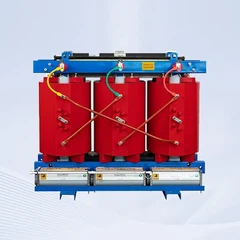
- SC(B)H15 Amorphous Alloy Dry Type Transformer: These transformers are used in industrial and commercial applications where a dry-type transformer is required. They're designed to be compact, lightweight, and easy to install, and they can operate in a wide range of environmental conditions.
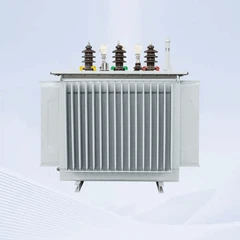
- SBH15 Series Amorphous Alloy Oil Immersed Transformer: These transformers are used in power generation, transmission, and distribution applications where an oil-immersed transformer is required. They're designed to be highly efficient, reliable, and durable, and they can handle high power levels and harsh environmental conditions.
Why Choose Our Amorphous Alloy Transformers?
At our company, we're committed to providing our customers with the highest quality Amorphous Alloy Transformers. Here are some of the reasons why you should choose our transformers:
- High Quality: We use only the highest quality materials and manufacturing processes to ensure that our transformers meet the highest standards of quality and reliability.
- Energy Efficiency: Our transformers are designed to be highly efficient, which means that they can help you save money on your electricity bills and reduce your carbon footprint.
- Customization: We offer a wide range of customization options to meet the specific needs of our customers. Whether you need a transformer with a specific voltage rating, power capacity, or mounting configuration, we can design and manufacture a transformer that meets your requirements.
- Excellent Customer Service: We have a team of experienced and knowledgeable customer service representatives who are available to answer your questions and provide you with the support you need. We're committed to providing our customers with the best possible shopping experience, from the moment you place your order to the moment your transformer is delivered.
Contact Us for a Quote
If you're interested in learning more about our Amorphous Alloy Transformers or if you have any questions about the manufacturing process, please don't hesitate to contact us. We'd be happy to provide you with a quote and answer any questions you may have. You can reach us by filling out the contact form on our website or by giving us a call. We look forward to hearing from you!
References
- "Amorphous Metals: A New Generation of High-Performance Materials." ASM International, 2001.
- "Transformer Design and Application." McGraw-Hill, 2004.
- "Electrical Power Systems: Design and Analysis." Wiley, 2007.
Send Inquiry