

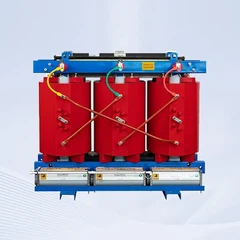




How to install dry transformers?
Jul 30, 2025
Leave a message
As a trusted supplier of dry transformers, I understand the importance of a proper installation process. A well - installed dry transformer not only ensures optimal performance but also extends its service life. In this blog, I'll guide you through the step - by - step process of installing dry transformers.
Pre - installation Preparation
Before you start the installation, a series of preparatory steps are crucial. First, you need to conduct a thorough site inspection. The installation site should be clean, dry, and well - ventilated. Check the floor for its load - bearing capacity to ensure it can support the weight of the dry transformer. The floor should be level to prevent any uneven stress on the transformer during operation.
Next, examine the transportation and storage conditions of the dry transformer. During transportation, the transformer should be well - secured to prevent any mechanical damage. When it comes to storage, it should be kept in a dry environment with a stable temperature. Exposure to extreme humidity or temperature fluctuations can damage the insulation materials of the transformer.


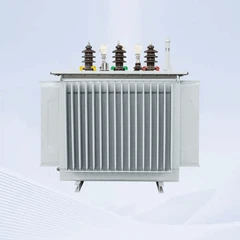
Inspect the transformer itself upon arrival. Check for any visible signs of damage, such as cracks on the enclosure or loose connections. Also, verify the technical specifications of the transformer against the requirements of your electrical system. For example, make sure the rated voltage, capacity, and frequency of the transformer match your application. If you are considering different models, we offer a wide range of products, including the 50kVA Dry - Type Winding Non Excited Voltage Regulating Distribution Transformer and the Dry Type Transformer 35kv Epoxy Cast Transformer CE Certification.
Installation Steps
1. Mounting the Transformer
The first step in the installation process is to mount the dry transformer. Use appropriate lifting equipment to hoist the transformer onto the pre - prepared foundation. Make sure the lifting points are correctly identified according to the manufacturer's instructions. Improper lifting can cause internal damage to the transformer.
Once the transformer is in place on the foundation, secure it using bolts or other fastening methods as recommended. Ensure that the transformer is firmly fixed to prevent any movement during operation, which could lead to electrical problems or mechanical failures.
2. Electrical Connections
Proper electrical connections are vital for the safe and efficient operation of the dry transformer. Start by connecting the primary and secondary windings. Follow the wiring diagram provided by the manufacturer carefully. The connections should be tight and free of any oxidation or corrosion. Use appropriate cable sizes and types according to the current - carrying capacity requirements of the transformer.
When making the connections, pay attention to the phase sequence. Incorrect phase sequence can result in abnormal operation of the electrical equipment connected to the transformer. After making the connections, use a torque wrench to tighten the bolts to the specified torque values to ensure good electrical contact.
3. Grounding
Grounding is an essential safety measure in transformer installation. Connect the grounding terminal of the transformer to a reliable grounding system. The grounding conductor should have an appropriate cross - sectional area to ensure that in the event of a fault, the fault current can be safely diverted to the ground.
Check the grounding resistance regularly to ensure it meets the safety standards. A high grounding resistance can pose a significant safety risk, as it may not be able to effectively dissipate fault currents.
4. Cooling System Installation (if applicable)
Some dry transformers are equipped with cooling systems, such as fans or heat exchangers. If your transformer has a cooling system, install it according to the manufacturer's instructions. Make sure the cooling system is properly connected to the power supply and that the airflow paths are unobstructed.
Regularly maintain the cooling system, including cleaning the fans and checking the operation of the heat exchangers. A malfunctioning cooling system can cause the transformer to overheat, which may lead to insulation damage and reduced service life.
Post - installation Checks
After the installation is complete, a series of checks should be carried out before energizing the transformer. First, visually inspect all the connections again to ensure they are secure and there are no loose parts. Check the enclosure of the transformer for any signs of damage that may have occurred during the installation process.
Conduct insulation resistance tests on the primary and secondary windings using an insulation resistance tester. The insulation resistance values should meet the specified standards. Low insulation resistance may indicate insulation damage, which needs to be addressed before energizing the transformer.
Perform a polarity test to confirm that the phase relationships are correct. This test is crucial for the proper operation of the electrical system connected to the transformer.
Commissioning and Start - up
Once all the checks are completed and everything is in order, it's time to commission the transformer. Gradually increase the voltage to the rated value in a controlled manner. Monitor the transformer closely during the start - up process for any abnormal noises, vibrations, or temperature rises.
Check the output voltage and current of the transformer to ensure they are within the normal range. If any abnormalities are detected, immediately shut down the transformer and troubleshoot the problem.
Maintenance and Monitoring
Regular maintenance and monitoring are necessary to ensure the long - term performance of the dry transformer. Establish a maintenance schedule that includes tasks such as visual inspections, cleaning, and tightening of connections.
Monitor the temperature, voltage, and current of the transformer continuously. Use monitoring devices to detect any early signs of problems, such as overheating or abnormal electrical parameters.
We also offer the 250kVA Amorphous Alloy Core Transformer, which has excellent energy - saving performance and requires proper installation and maintenance to achieve its full potential.
Conclusion
Installing a dry transformer is a complex process that requires careful planning, proper execution, and thorough checks. By following the steps outlined in this blog, you can ensure a successful installation and reliable operation of your dry transformer. If you have any questions about our dry transformers or need assistance with the installation process, please feel free to contact us for procurement and further discussion. We are committed to providing high - quality products and professional services to meet your electrical needs.
References
- IEEE Std C57.12.01 - 2010, Standard General Requirements for Dry - Type Distribution and Power Transformers.
- IEC 60076 - 11:2004, Power transformers - Part 11: Dry - type transformers.
Send Inquiry