





How to improve power quality for a power transformer?
May 26, 2025
Leave a message
Hey there! As a power transformer supplier, I've seen firsthand how crucial power quality is for the smooth operation of electrical systems. A power transformer is like the heart of an electrical network, and ensuring its power quality is top - notch can save you a ton of headaches and money in the long run. So, let's dive into how you can improve power quality for a power transformer.
1. Understanding Power Quality Issues
Before we can fix the problems, we need to know what they are. Power quality issues can manifest in several ways. Voltage sags and swells are common. A voltage sag is a short - term decrease in voltage, while a swell is a short - term increase. These can be caused by lightning strikes, large motor startups, or faults in the electrical grid.
Harmonics are another biggie. They're basically unwanted frequencies that distort the normal sinusoidal waveform of the electrical power. Non - linear loads like computers, variable - speed drives, and LED lights are major culprits for generating harmonics.
Then there's power factor. A low power factor means that the electrical system is not using the power efficiently. This can lead to increased energy consumption and higher electricity bills.
2. Proper Transformer Sizing
One of the most fundamental steps in improving power quality is choosing the right size of the power transformer. If a transformer is undersized, it can overheat and cause voltage drops. On the other hand, an oversized transformer can be inefficient and waste energy.
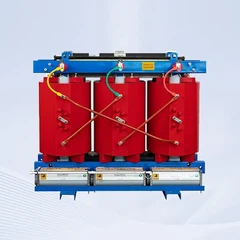
For example, if you're looking for a medium - sized transformer, our Medium Power Transformer range is designed to meet a variety of needs. These transformers are carefully sized to ensure optimal performance and power quality.
3. Maintaining the Transformer
Regular maintenance is key to keeping your power transformer in good shape. This includes checking the oil levels (if it's an oil - filled transformer), inspecting the insulation, and tightening any loose connections.
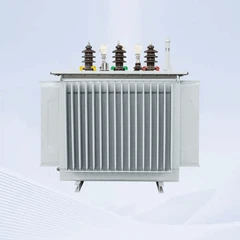
The oil in an oil - filled transformer acts as both a coolant and an insulator. Over time, the oil can degrade, losing its insulating properties. So, it's important to test the oil regularly and replace it if necessary.
Insulation is also critical. Any damage to the insulation can lead to short - circuits and other power quality issues. Visual inspections and insulation resistance tests can help you catch any problems early.
4. Using Harmonic Filters
As I mentioned earlier, harmonics can really mess up the power quality. That's where harmonic filters come in. These devices are designed to reduce the level of harmonics in the electrical system.
There are two main types of harmonic filters: passive and active. Passive filters are made up of capacitors, inductors, and resistors and are relatively inexpensive. Active filters, on the other hand, use power electronics to actively cancel out the harmonics. They're more expensive but offer better performance.
If your electrical system has a lot of non - linear loads, installing a harmonic filter can significantly improve the power quality of your power transformer.
5. Power Factor Correction
Improving the power factor is another effective way to enhance power quality. Power factor correction can be achieved by installing capacitors in the electrical system. Capacitors store and release electrical energy, which helps to balance the reactive power and improve the power factor.
A higher power factor means that your electrical system is using the power more efficiently. This not only reduces energy consumption but also helps to prevent voltage drops and overheating in the transformer.
6. Monitoring and Control
You can't manage what you don't measure. That's why it's important to have a monitoring system in place for your power transformer. This system can track parameters like voltage, current, temperature, and power factor.
With real - time monitoring, you can detect any power quality issues early and take corrective action before they cause major problems. Some advanced monitoring systems even allow you to control the transformer remotely, adjusting settings to optimize performance.


7. Choosing a Reliable Supplier
Last but not least, choosing a reliable power transformer supplier is crucial. At our company, we've been in the business for years, and we know what it takes to provide high - quality transformers. Our S13 Power Transformers Supplier range is known for its efficiency and reliability.
We also offer a wide range of 33/11kv Power Transformer options, suitable for various industrial and commercial applications. When you choose us as your supplier, you can be confident that you're getting a transformer that will deliver excellent power quality.
Conclusion
Improving power quality for a power transformer is a multi - faceted process. It involves understanding the power quality issues, proper sizing, regular maintenance, using harmonic filters and power factor correction, monitoring and control, and choosing a reliable supplier.
If you're looking to improve the power quality of your electrical system or are in the market for a new power transformer, don't hesitate to reach out. We're here to help you find the best solution for your needs. Whether you're a small business or a large industrial facility, we have the expertise and products to meet your requirements. Contact us today to start a discussion about your power transformer needs and how we can help you achieve optimal power quality.
References
- "Power System Analysis and Design" by J. Duncan Glover, Mulukutla S. Sarma, and Thomas J. Overbye
- "Electrical Power Systems Quality" by Roger C. Dugan, Mark F. McGranaghan, and Surya Santoso
Send Inquiry