





How does the reliability of an Amorphous Core Transformer compare to other transformers?
May 26, 2025
Leave a message
Hey there! As a supplier of Amorphous Core Transformers, I've had my fair share of conversations about how these bad boys stack up against other transformers in terms of reliability. So, let's dive right in and explore this topic.
First off, what exactly is an Amorphous Core Transformer? Well, it's a type of transformer that uses an amorphous alloy for its core. Unlike traditional transformer cores made of silicon steel, amorphous alloys have a unique atomic structure. This structure gives them some pretty awesome properties that can have a big impact on reliability.
Let's start by looking at energy efficiency. One of the main reasons why Amorphous Core Transformers are so popular is their low core loss. Core loss is basically the energy that's wasted as heat in the transformer core. With traditional silicon - steel core transformers, a significant amount of energy is lost in this way. But Amorphous Core Transformers, thanks to their special amorphous alloy cores, have much lower core losses. This means they can operate more efficiently over long periods of time. When a transformer is more energy - efficient, it generates less heat. And less heat is great news for reliability because excessive heat is one of the biggest enemies of a transformer. Heat can cause the insulation materials in the transformer to degrade over time, leading to potential failures. So, by running cooler, Amorphous Core Transformers are less likely to experience insulation breakdowns and other heat - related issues. You can learn more about Amorphous Core Transformer on our website.


Another aspect of reliability is the durability of the core material itself. Amorphous alloys are highly resistant to mechanical stress and vibration. In real - world applications, transformers can be subjected to all sorts of external forces, like vibrations from nearby machinery or even seismic activity in some areas. Traditional silicon - steel cores may be more prone to damage from these forces, which can then lead to performance issues or even complete failure. But the amorphous alloy cores in Amorphous Core Transformers can better withstand these mechanical stresses. This makes them more reliable in harsh operating environments. Whether it's in an industrial setting with lots of heavy machinery or in an area with frequent earthquakes, an Amorphous Core Transformer is more likely to keep on ticking.
Now, let's talk about the long - term stability of these transformers. Over time, the performance of a transformer can change due to factors like aging of the core material and the effects of electrical and thermal stress. With traditional transformers, the core material may gradually degrade, leading to an increase in core losses and a decrease in overall efficiency. But Amorphous Core Transformers have shown better long - term stability. Their unique atomic structure makes them more resistant to the effects of aging. This means that even after years of operation, they can still maintain a high level of performance. This long - term stability is a key factor in reliability, especially for applications where continuous and consistent power supply is crucial, like in hospitals, data centers, and industrial plants. Check out our Amorphous Distribution Transformer page for more details on their long - term performance.
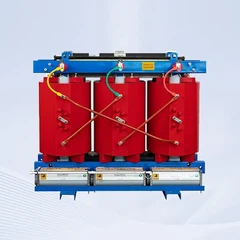
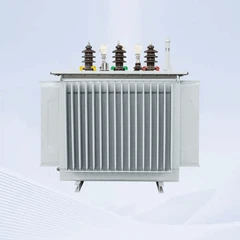
When it comes to comparing with other types of transformers, like oil - filled transformers, Amorphous Core Transformers also have some advantages in terms of safety and reliability. Oil - filled transformers use oil as a coolant and insulator. While this can be effective, there are some risks associated with it. For example, if there's a leak in the oil tank, it can pose a fire hazard and also cause environmental pollution. Amorphous Core Transformers, on the other hand, often use dry - type insulation systems. These systems are generally safer because they don't have the risk of oil leaks and fires. This makes them a more reliable choice in terms of safety, especially in areas where fire safety is a major concern.
However, it's not all sunshine and rainbows. Amorphous Core Transformers do have some challenges too. For instance, the manufacturing process of amorphous alloys is more complex and expensive compared to silicon steel. This can make the initial cost of Amorphous Core Transformers higher than traditional transformers. But when you consider the long - term savings in energy costs and the potential reduction in maintenance and replacement costs due to their higher reliability, the investment can be well worth it. And if you're worried about the cost, we can work with you to find a solution that fits your budget.
Another thing to note is that the market for Amorphous Core Transformers is still growing. While their reliability is well - established in many applications, there may be some areas where traditional transformers are still the norm. But as more and more people become aware of the benefits of Amorphous Core Transformers, we're seeing a shift towards their wider adoption.
In summary, Amorphous Core Transformers offer a high level of reliability compared to other transformers. Their low core losses, resistance to mechanical stress, long - term stability, and safety features make them a great choice for many applications. Whether you're looking for a transformer for a small business or a large industrial facility, an Amorphous Core Transformer can provide a reliable and efficient power solution.
If you're interested in learning more about our Amorphous Alloy Distribution Transformer or want to discuss your specific requirements, don't hesitate to reach out. We're here to help you make the best decision for your power needs. Whether it's for a new installation or a replacement project, we can provide you with the right Amorphous Core Transformer and support you throughout the process. Let's have a chat and see how we can work together to get you the most reliable transformer solution.
References
- "Transformer Technology Handbook" by John J. Cathey
- Industry reports on transformer performance and reliability from leading research firms
Send Inquiry