





What are the storage conditions for a substation power transformer?
May 26, 2025
Leave a message
As a supplier of substation power transformers, I understand the critical importance of proper storage conditions for these vital electrical assets. Substation power transformers are complex and expensive pieces of equipment that play a central role in the transmission and distribution of electrical energy. Ensuring they are stored correctly can significantly extend their lifespan, maintain their performance, and prevent costly damages. In this blog, I will delve into the key storage conditions that every stakeholder in the power industry should be aware of.


Environmental Conditions
Temperature
Temperature is one of the most crucial factors in transformer storage. Transformers are designed to operate within a specific temperature range, and improper storage temperatures can lead to various issues. High temperatures can accelerate the aging of the insulation materials, reducing their dielectric strength and increasing the risk of electrical breakdown. On the other hand, extremely low temperatures can cause the transformer oil to thicken, which may affect the cooling and insulation properties.
Ideally, transformers should be stored in an environment where the temperature is between 0°C and 40°C. If the storage location experiences significant temperature fluctuations, it is advisable to use climate - controlled storage facilities. This ensures that the internal components of the transformer are not subjected to thermal stress, which can lead to mechanical damage and degradation of electrical properties.
Humidity
Humidity can also have a detrimental effect on power transformers. High humidity levels can cause moisture to penetrate the insulation materials, reducing their insulation resistance and increasing the risk of electrical leakage. Moisture can also lead to corrosion of the metal components inside the transformer, such as the windings and core.
To prevent these issues, the relative humidity in the storage area should be kept below 60%. Dehumidifiers can be used in areas with high humidity to maintain the appropriate moisture levels. Additionally, transformers should be stored in a sealed environment or covered with moisture - resistant materials to minimize the exposure to moisture.
Air Quality
The quality of the air in the storage area is another important consideration. Dust, dirt, and other airborne particles can accumulate on the surface of the transformer, which can block the cooling fins and reduce the efficiency of the cooling system. Chemical pollutants in the air, such as sulfur dioxide and nitrogen oxides, can react with the transformer oil and insulation materials, causing degradation.
It is recommended to store transformers in a clean and well - ventilated area. Air filters can be installed in the storage facility to remove dust and other particles from the air. If the storage area is located in an industrial or polluted environment, additional measures may be required to protect the transformers from chemical pollutants.
Physical Conditions
Storage Location
The location where the transformer is stored is crucial. It should be a flat and stable surface to prevent the transformer from tilting or shifting. Uneven surfaces can cause stress on the transformer's structure, leading to mechanical damage. Additionally, the storage location should be away from sources of vibration, such as heavy machinery or traffic, as vibration can loosen the internal components of the transformer.
Protection from External Forces
Transformers should be protected from external forces during storage. They should be stored in an area where they are not likely to be hit by vehicles or other objects. If the transformers are stored outdoors, they should be protected by barriers or fencing to prevent unauthorized access and accidental damage.
Positioning
The transformer should be stored in its normal operating position. This ensures that the oil circulation and cooling systems function properly. Storing the transformer in an abnormal position can cause the oil to accumulate in certain areas, leading to uneven cooling and potential overheating.
Maintenance During Storage
Regular Inspections
Regular inspections should be carried out during the storage period. Visual inspections can help detect any signs of damage, such as cracks in the casing, leaks in the oil, or corrosion on the metal components. Electrical tests, such as insulation resistance tests, can also be performed periodically to monitor the condition of the insulation materials.
Oil Maintenance
Transformer oil is a critical component that provides insulation and cooling. During storage, the oil should be monitored regularly for its quality. The oil should be tested for moisture content, acidity, and dielectric strength. If the oil quality deteriorates, it may need to be filtered or replaced.
Battery Maintenance (if applicable)
Some transformers may be equipped with batteries for auxiliary systems. These batteries should be maintained properly during storage. They should be charged regularly to prevent self - discharge and sulfation.
Specific Considerations for Different Types of Transformers
Oil - Immersed Transformers
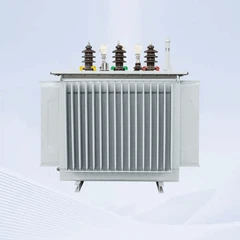
Oil - immersed transformers are widely used in substations. For these transformers, it is essential to ensure that the oil level is maintained within the appropriate range during storage. The oil tank should be sealed to prevent the ingress of moisture and air. If the transformer is stored for an extended period, the oil may need to be treated to remove any contaminants.
For example, our S11 Double - winding Fully Sealed Oil - immersed Power Transformer and 500kva Oil - immersed Power Step Down Transformers require strict adherence to these oil - related storage conditions to maintain their performance and reliability.
Dry - Type Transformers
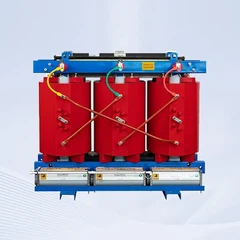
Dry - type transformers do not use oil for insulation and cooling. However, they are still sensitive to environmental conditions. They should be stored in a dry environment to prevent moisture absorption by the insulation materials. Additionally, they should be protected from dust and dirt to ensure proper ventilation.
Three - Phase Transformers
Three - phase transformers, such as our 33kv 12.5Mva Three Phase Power Transformer, have specific requirements for storage. The three phases should be balanced during storage to prevent any unbalanced electrical stress on the windings. The connections should also be checked regularly to ensure they are secure.
Conclusion
Proper storage conditions are essential for maintaining the quality and performance of substation power transformers. By controlling the environmental conditions, ensuring proper physical storage, and carrying out regular maintenance, we can significantly extend the lifespan of these valuable assets. As a supplier of substation power transformers, we are committed to providing our customers with high - quality products and comprehensive guidance on storage and maintenance.
If you are in the market for substation power transformers or need more information on storage and maintenance, please feel free to contact us for a procurement discussion. We are ready to assist you in finding the best solutions for your power needs.
References
- IEEE Standard C57.12.00 - 2010, “Standard General Requirements for Liquid - Immersed Distribution, Power, and Regulating Transformers”
- IEC 60076 - 1:2011, “Power transformers - Part 1: General”
- ANSI C57.12.20 - 2010, “Standard Requirements, Terminology, and Test Code for Dry - Type Distribution and Power Transformers”
Send Inquiry