







What is the temperature rise of a step - down power transformer?
May 27, 2025
Leave a message
Hey there! As a supplier of step - down power transformers, I often get asked about the temperature rise of these essential pieces of equipment. So, let's dive right into it and figure out what the temperature rise of a step - down power transformer is all about.
First off, what's a step - down power transformer? Well, it's a device that takes in high - voltage electricity and steps it down to a lower voltage. This is super important because different electrical appliances and systems need different voltage levels to work properly. For example, the electricity coming from the power grid might be at a very high voltage, but your home appliances need a much lower voltage. That's where step - down transformers come in.
Now, let's talk about temperature rise. When a step - down power transformer is in operation, it generates heat. This heat is mainly due to two reasons: copper losses and iron losses. Copper losses occur because of the resistance in the transformer's windings. When current flows through the windings, the resistance causes some of the electrical energy to be converted into heat. Iron losses, on the other hand, are caused by the alternating magnetic field in the transformer's core. This magnetic field causes the core material to heat up.
The temperature rise of a transformer is the difference between its operating temperature and the ambient temperature. Ambient temperature is just the temperature of the surrounding environment. For example, if the ambient temperature is 25°C and the transformer's operating temperature is 75°C, then the temperature rise is 50°C.
Why does temperature rise matter? Well, excessive temperature rise can have some serious consequences. It can reduce the lifespan of the transformer. The insulation materials used in the transformer can degrade faster at higher temperatures. Once the insulation breaks down, it can lead to short - circuits and other electrical failures. Also, high temperatures can cause the transformer to operate less efficiently. As the temperature rises, the resistance in the windings increases, which means more energy is wasted as heat.


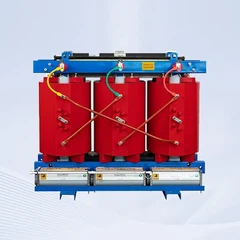
There are standards and limits for temperature rise in transformers. These standards are set to ensure the safe and efficient operation of the transformers. For example, for some dry - type transformers, the maximum allowable temperature rise might be around 80°C or 100°C. For oil - immersed transformers, the limits can be different.
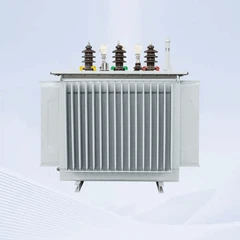
Now, how can we control the temperature rise of a step - down power transformer? One of the most common ways is through cooling systems. For oil - immersed transformers, the oil acts as a coolant. It absorbs the heat from the windings and the core and transfers it to the outside of the transformer. There are also radiators and fans that can be used to increase the cooling efficiency. In dry - type transformers, air cooling is often used. Fans blow air over the windings to remove the heat.
Let's take a look at some of the transformers we offer. We have the Substation Power Transformer. These are designed for use in substations where they need to handle large amounts of power. They are built to have a low temperature rise, thanks to their advanced cooling systems and high - quality materials.
Another great option is our 80KVA 3 Phase Oil - immersed Power Transformer. This transformer is suitable for a variety of industrial and commercial applications. The oil - immersed design helps in efficient heat dissipation, keeping the temperature rise within acceptable limits.
And if you need a more powerful transformer, our 500kva Oil - immersed Power Step Down Transformers are a great choice. These can handle high - power loads while maintaining a stable temperature.
When choosing a step - down power transformer, it's important to consider the expected temperature rise. You need to think about the operating conditions, such as the ambient temperature and the load on the transformer. If the transformer will be operating in a hot environment or will be under a heavy load, you might need a transformer with a better cooling system.
In addition to the cooling system, the design of the transformer also plays a role in temperature rise. The size and shape of the windings, the type of core material, and the overall construction can all affect how much heat is generated and how it is dissipated.
So, if you're in the market for a step - down power transformer, don't overlook the importance of temperature rise. It can have a big impact on the performance and lifespan of the transformer.
If you're interested in learning more about our step - down power transformers or have any questions about temperature rise, feel free to reach out to us. We're here to help you find the right transformer for your needs and ensure that it operates safely and efficiently.
References
- "Transformer Engineering: Design, Technology, and Diagnostics" by T. A. Lipo
- "Electrical Power Systems Quality" by Roger C. Dugan, Mark F. McGranaghan, and Surya Santoso
Send Inquiry