







How to install lightning protection for a 1500 kva dry type transformer?
Aug 19, 2025
Leave a message
Hey there! As a supplier of 1500 kva dry type transformers, I often get asked about how to install lightning protection for these bad boys. So, I thought I'd share some insights on this topic.
First off, why is lightning protection so important for a 1500 kva dry type transformer? Well, lightning strikes can cause a huge surge of electrical energy. This sudden influx of power can fry the transformer's components, leading to costly repairs or even a complete replacement. And let's face it, no one wants that headache.
Understanding the Basics of Lightning Protection
Before we dive into the installation process, it's crucial to understand the basic components of a lightning protection system for a transformer. There are mainly two key parts: surge arresters and grounding systems.
Surge arresters are like the bodyguards of your transformer. They're designed to divert the excessive voltage from a lightning strike safely to the ground. When a lightning surge hits, the arrester kicks into action, limiting the voltage to a level that the transformer can handle.
The grounding system, on the other hand, is the pathway that allows the diverted energy to reach the earth. A proper grounding system ensures that the electrical energy from the lightning strike is dissipated without causing any harm to the transformer or the surrounding equipment.
Step-by-Step Installation Guide
Step 1: Choose the Right Surge Arresters
Not all surge arresters are created equal. You need to select arresters that are rated for the voltage and capacity of your 1500 kva dry type transformer. Look for arresters with a high energy absorption capacity and a fast response time. These features will ensure that they can handle the powerful surges caused by lightning strikes effectively.


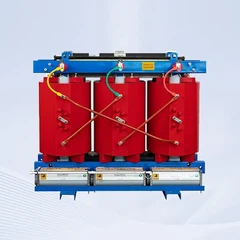
You can check out some of our other transformer models like the SCB12-1600 KVA-10/0.4 KV Step-down Dry-type Transformer and the GNEE 750 KVA 3 Phase Outdoor Dry Type Transformer to get an idea of the range of products we offer.
Step 2: Mount the Surge Arresters
Once you've got the right arresters, it's time to mount them. The arresters should be installed as close as possible to the transformer terminals. This minimizes the length of the connection between the arrester and the transformer, reducing the chances of any additional voltage build-up during a surge.
Make sure to follow the manufacturer's instructions for mounting. Usually, it involves using brackets or clamps to secure the arresters in place. And don't forget to use proper insulation materials to prevent any electrical short circuits.
Step 3: Install the Grounding System
The grounding system is the backbone of your lightning protection setup. Start by driving grounding rods into the ground. The number and depth of the rods depend on the soil conditions and the local electrical codes. In general, at least two grounding rods should be installed, spaced about 6 feet apart and driven at least 8 feet deep into the ground.
Connect the grounding rods to each other using a grounding conductor, typically a copper wire. Then, connect the surge arresters to the grounding conductor. This creates a continuous path for the lightning energy to flow safely into the ground.
Step 4: Check the Connections
After installing the surge arresters and the grounding system, it's crucial to check all the connections. Make sure that all the bolts are tightened, and the wires are properly connected. Loose connections can lead to increased resistance, which can cause overheating and reduce the effectiveness of the lightning protection system.
You can use a multimeter to check the continuity of the connections and ensure that there are no breaks in the electrical path.
Step 5: Test the System
Once everything is installed and connected, it's time to test the lightning protection system. You can use a surge generator to simulate a lightning strike and check if the surge arresters are functioning correctly. The voltage readings should be within the acceptable range, indicating that the arresters are diverting the surge energy to the ground as intended.
Additional Tips
- Regular Maintenance: Lightning protection systems need regular maintenance to ensure their long-term effectiveness. Inspect the surge arresters and the grounding system periodically for any signs of damage or corrosion. Replace any damaged components immediately.
- Follow Local Codes: Always follow the local electrical codes and regulations when installing a lightning protection system. These codes are in place to ensure the safety of the installation and the people working around the transformer.
- Consult an Expert: If you're not confident in your ability to install the lightning protection system, it's best to consult an electrical engineer or a professional installer. They have the knowledge and experience to ensure that the installation is done correctly.
Conclusion
Installing lightning protection for a 1500 kva dry type transformer is a crucial step in protecting your investment. By following the steps outlined above and using the right components, you can ensure that your transformer is well-protected against lightning strikes.
If you're in the market for a 1500 kva dry type transformer or need more information about lightning protection systems, feel free to reach out. We're here to help you make the right choices for your electrical needs. And if you're interested in other transformer models, check out our 300 Kva Three Phase Dry Type Distribution Transformer Supplier page.
References
- "Electrical Installation Handbook" by Schneider Electric
- "Lightning Protection Standards and Practices" by IEEE
Send Inquiry