





How to prevent moisture ingress in dry transformers?
Jun 19, 2025
Leave a message
Moisture ingress in dry transformers can significantly impact their performance and lifespan. As a trusted supplier of dry transformers, including products like the 11kV Epoxy Resin Cast Dry Type Power Transformer, 160kVA Epoxy Resin Dry-Type Transformer, and 250kVA Amorphous Alloy Core Transformer, we understand the critical importance of preventing moisture from entering these vital electrical components. In this blog post, we'll explore the various ways to safeguard dry transformers from moisture and ensure their long - term reliability.
Understanding the Risks of Moisture Ingress
Moisture can cause a multitude of problems in dry transformers. Firstly, it can lead to a decrease in the dielectric strength of the insulation materials. The insulation in dry transformers is designed to prevent electrical leakage and ensure safe and efficient operation. When moisture penetrates the insulation, it can create conductive paths, increasing the risk of electrical breakdown and short - circuits.


Secondly, moisture can accelerate the aging process of the insulation. It can cause chemical reactions within the insulation materials, leading to degradation over time. This can result in reduced insulation resistance and an increased likelihood of failures.
In addition, moisture can promote the growth of mold and mildew on the transformer's surface and internal components. These microorganisms can further damage the insulation and other materials, and may also pose health risks in some environments.
Design Considerations for Moisture Prevention
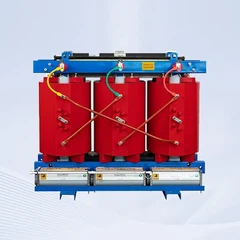
The design of a dry transformer plays a crucial role in preventing moisture ingress. One of the key design features is the use of high - quality, moisture - resistant insulation materials. Epoxy resin, for example, is commonly used in dry transformers due to its excellent electrical properties and resistance to moisture. Our 11kV Epoxy Resin Cast Dry Type Power Transformer and 160kVA Epoxy Resin Dry - Type Transformer utilize epoxy resin insulation to provide reliable protection against moisture.
Proper sealing is also essential. The transformer enclosure should be designed to prevent water and moisture from entering. This includes using gaskets and seals at all joints and openings. The enclosure should be tested to ensure that it meets the required ingress protection (IP) ratings. For example, an IP54 - rated enclosure provides protection against dust ingress and water splashing from any direction.
Ventilation systems in dry transformers need to be carefully designed to prevent moisture from being drawn into the transformer. While ventilation is necessary for cooling, it can also be a pathway for moisture if not properly managed. The ventilation openings should be equipped with filters and baffles to prevent the entry of water droplets and airborne moisture.
Installation Best Practices
The installation location of a dry transformer can have a significant impact on its exposure to moisture. It should be installed in a dry, well - ventilated area. Avoid installing the transformer in basements or areas prone to flooding. If the installation area is in a high - humidity environment, additional measures may be required, such as installing dehumidifiers or moisture - control systems.
During installation, it is important to ensure that the transformer is level and properly supported. Any unevenness can cause stress on the enclosure and seals, potentially leading to leaks. The electrical connections should also be properly tightened to prevent moisture from seeping into the electrical terminals.
Before energizing the transformer, it should be thoroughly inspected for any signs of moisture or damage. If moisture is detected, appropriate drying procedures should be carried out. This may involve using a vacuum drying process or applying heat to remove the moisture from the insulation.
Maintenance and Monitoring
Regular maintenance is essential for preventing moisture ingress in dry transformers. This includes visual inspections of the enclosure, seals, and ventilation systems. Check for any signs of water damage, such as rust, corrosion, or water stains. Replace any damaged gaskets or seals immediately.
Insulation resistance testing should be performed regularly to monitor the condition of the insulation. A significant decrease in insulation resistance may indicate moisture ingress. If the insulation resistance is below the recommended values, further investigation and drying procedures may be required.
Moisture sensors can be installed in the transformer enclosure to continuously monitor the moisture level. These sensors can provide early warning signs of moisture ingress, allowing for timely intervention. If the moisture level exceeds the set threshold, an alarm can be triggered, and appropriate actions can be taken.
Drying Techniques
In case moisture ingress is detected, there are several drying techniques that can be used. One common method is vacuum drying. This involves placing the transformer in a vacuum chamber and applying heat to remove the moisture from the insulation. The vacuum helps to lower the boiling point of the water, allowing it to be removed more efficiently.
Another technique is hot air drying. Hot air is circulated through the transformer enclosure to raise the temperature and evaporate the moisture. This method is relatively simple and can be effective for removing surface moisture.
For more severe cases of moisture ingress, a combination of vacuum drying and hot air drying may be required. It is important to follow the manufacturer's recommendations and safety procedures when performing drying operations.
Conclusion
Preventing moisture ingress in dry transformers is a multi - faceted process that involves proper design, installation, maintenance, and monitoring. As a supplier of high - quality dry transformers, we are committed to providing products that are designed to withstand the challenges of moisture and ensure reliable performance. Our 11kV Epoxy Resin Cast Dry Type Power Transformer, 160kVA Epoxy Resin Dry - Type Transformer, and 250kVA Amorphous Alloy Core Transformer are built with the latest technologies and materials to provide excellent protection against moisture.
If you are in the market for dry transformers or need advice on moisture prevention, we encourage you to contact us for a detailed discussion. Our team of experts is ready to assist you in selecting the right transformer for your application and providing guidance on best practices for ensuring its long - term reliability.
References
- Electrical Power Transformer Engineering, Second Edition by L. F. Blume, A. J. Boyajian, and A. R. McConnel.
- Transformer Design Principles: With Applications to Core - Form Power Transformers by John G. Anders.
Send Inquiry