





What is the dielectric strength of a 750 kva dry type transformer?
Jun 19, 2025
Leave a message
As a supplier of 750 kVA dry type transformers, I often get asked about the dielectric strength of these essential electrical devices. Dielectric strength is a critical parameter that determines the transformer's ability to withstand electrical stress without breaking down. In this blog post, I'll delve into what dielectric strength is, why it matters for 750 kVA dry type transformers, and how it impacts the performance and safety of these transformers.
Understanding Dielectric Strength
Dielectric strength refers to the maximum electric field that a dielectric material can withstand without experiencing electrical breakdown. In the context of a 750 kVA dry type transformer, the dielectric material is typically the insulation system used to separate the conductive parts of the transformer, such as the windings. When an electric field is applied across the insulation, the dielectric material resists the flow of electric current. However, if the electric field exceeds the dielectric strength of the material, the insulation will break down, allowing current to flow through it. This can lead to short circuits, damage to the transformer, and even pose a safety hazard.
The dielectric strength of a material is usually expressed in volts per unit thickness (e.g., kV/mm). It depends on several factors, including the type of dielectric material, its thickness, temperature, humidity, and the presence of impurities or defects. For dry type transformers, common dielectric materials include epoxy resin, polyester film, and Nomex paper. These materials are chosen for their high dielectric strength, good thermal stability, and resistance to moisture and chemicals.
Importance of Dielectric Strength in 750 kVA Dry Type Transformers
In a 750 kVA dry type transformer, the dielectric strength of the insulation system is crucial for several reasons. Firstly, it ensures the reliable operation of the transformer. A high dielectric strength means that the insulation can withstand the electrical stresses encountered during normal operation, such as voltage spikes and surges, without breaking down. This reduces the risk of short circuits and other electrical failures, which can cause downtime and costly repairs.
Secondly, dielectric strength is essential for the safety of the transformer and the personnel working around it. A breakdown of the insulation can result in the release of high - energy electrical arcs, which can cause fires, explosions, and serious injuries. By maintaining a high dielectric strength, we can minimize these risks and ensure a safe working environment.
Finally, the dielectric strength of the insulation system affects the lifespan of the transformer. Over time, the insulation can degrade due to factors such as thermal stress, electrical stress, and environmental conditions. A transformer with a high initial dielectric strength is more likely to withstand these degradation processes and have a longer service life.
Factors Affecting the Dielectric Strength of 750 kVA Dry Type Transformers
Several factors can influence the dielectric strength of a 750 kVA dry type transformer.
Temperature
Temperature has a significant impact on the dielectric strength of the insulation material. As the temperature increases, the dielectric strength of most materials decreases. This is because higher temperatures can cause the molecules in the dielectric material to move more freely, making it easier for electrons to break through the insulation. In a dry type transformer, excessive heat can be generated due to losses in the windings and core. To maintain a high dielectric strength, it is important to ensure proper cooling of the transformer and to operate it within its rated temperature limits.
Humidity
Moisture is another factor that can reduce the dielectric strength of the insulation. Water molecules can act as conductors, allowing current to flow through the insulation more easily. In a humid environment, the insulation of a dry type transformer can absorb moisture, which can lead to a decrease in dielectric strength. To prevent this, dry type transformers are often designed with moisture - resistant insulation materials and are installed in enclosures that protect them from the elements.
Contamination
Contamination of the insulation surface can also affect the dielectric strength. Dust, dirt, and other pollutants can accumulate on the insulation, creating conductive paths that can lead to electrical breakdown. Regular cleaning and maintenance of the transformer can help to prevent contamination and maintain the dielectric strength of the insulation.
Aging
Over time, the insulation material in a dry type transformer will age and degrade. This can be due to factors such as thermal stress, electrical stress, and chemical reactions. As the insulation ages, its dielectric strength will gradually decrease. To ensure the long - term performance of the transformer, it is important to monitor the condition of the insulation and to perform regular maintenance and testing.
Measuring the Dielectric Strength of 750 kVA Dry Type Transformers
There are several methods for measuring the dielectric strength of a 750 kVA dry type transformer. One common method is the withstand voltage test. In this test, a high voltage is applied to the transformer for a specified period of time, and the transformer is monitored for any signs of electrical breakdown. If the transformer can withstand the applied voltage without breaking down, it is considered to have passed the test.


Another method is the partial discharge test. Partial discharges are small electrical discharges that occur within the insulation material when the electric field exceeds a certain threshold. By measuring the magnitude and frequency of partial discharges, we can assess the condition of the insulation and detect any potential problems.
Our 750 kVA Dry Type Transformers and Dielectric Strength
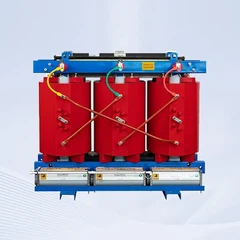
At our company, we take great pride in the quality of our 750 kVA dry type transformers. We use high - quality dielectric materials and advanced manufacturing processes to ensure that our transformers have a high dielectric strength. Our Cast Resin Power Transformers are designed to meet the most stringent industry standards and are tested rigorously to ensure their reliability and safety.
For example, our GNEE 1000 KVA Medium Voltage Dry Type Power Transformer incorporates state - of - the - art insulation technology, which provides excellent dielectric strength and thermal performance. Similarly, our 30 - 2500KVA/10KV Three - phase Resin Cast Insulated Dry Type Power Transformer is engineered to withstand high electrical stresses and harsh environmental conditions.
We also offer comprehensive after - sales service, including regular maintenance and testing of the transformers. Our team of experts can help you monitor the dielectric strength of your transformer over time and take appropriate measures to ensure its long - term performance.
Conclusion
The dielectric strength of a 750 kVA dry type transformer is a critical parameter that affects its performance, safety, and lifespan. By understanding the factors that influence dielectric strength and taking appropriate measures to maintain it, we can ensure the reliable operation of these important electrical devices.
If you are in the market for a 750 kVA dry type transformer or have any questions about dielectric strength and transformer performance, we invite you to contact us for a detailed discussion. Our team of experts is ready to assist you in finding the right transformer solution for your needs.
References
- IEEE Standard C57.12.01 - Standard General Requirements for Dry - Type Distribution and Power Transformers
- IEC 60076 - 11 - Power transformers - Part 11: Dry - type transformers
Send Inquiry