





What are the cooling methods for power transformers?
Aug 11, 2025
Leave a message
Hey there! As a power transformer supplier, I've been in the thick of the power game for quite some time. One question that comes up a lot is, "What are the cooling methods for power transformers?" Well, let's dive right into it.
Why Cooling Matters
Before we get into the different cooling methods, let's talk about why cooling is so important for power transformers. When a transformer is in operation, it generates heat due to the electrical losses in the core and windings. If this heat isn't properly managed, it can lead to a whole host of problems. The temperature of the transformer can rise to dangerous levels, which can cause the insulation to degrade over time. Once the insulation starts to break down, it can lead to short - circuits and other electrical failures, which can be not only costly to repair but also pose a significant safety risk. So, effective cooling is crucial to ensure the reliable and long - term operation of power transformers.
Oil - Immersed Cooling
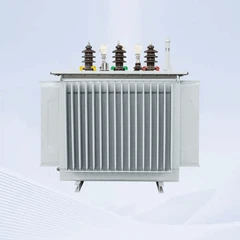
One of the most common cooling methods for power transformers is oil - immersed cooling. In this method, the transformer's core and windings are immersed in a special insulating oil. This oil serves two main purposes. First, it acts as an electrical insulator, preventing electrical breakdown between different parts of the transformer. Second, it is an excellent heat transfer medium.
The heat generated in the core and windings is transferred to the oil. As the oil heats up, it rises due to convection. The hot oil then flows to the top of the transformer tank and is cooled as it passes through external cooling devices, such as radiators or heat exchangers. After being cooled, the oil returns to the bottom of the tank to repeat the cycle.
We offer a wide range of oil - immersed power transformers, like the 110kV Oil Immersed Power Transformer. These transformers are designed with efficient oil - cooling systems to ensure optimal performance even under heavy loads.
There are different types of oil - immersed cooling systems:
- ONAN (Oil Natural Air Natural): In an ONAN system, the heat transfer in the oil occurs naturally through convection, and the cooling of the oil in the radiators is also natural, relying on the surrounding air. This is a simple and reliable cooling method, suitable for smaller transformers or those with relatively light loads.
- ONAF (Oil Natural Air Forced): In an ONAF system, the oil still circulates naturally through convection, but fans are used to force - cool the radiators. This increases the cooling capacity compared to ONAN, allowing the transformer to handle higher loads.
- OFAF (Oil Forced Air Forced): In an OFAF system, both the oil circulation and the cooling of the radiators are forced. Pumps are used to circulate the oil, and fans are used to cool the radiators. This provides even greater cooling capacity and is commonly used for large - capacity transformers.
Air - Cooling
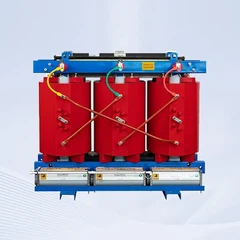
Air - cooling is another option for power transformers, especially for smaller and medium - sized units. There are two main types of air - cooling methods:
- AN (Air Natural): In an AN system, the heat generated in the transformer is dissipated into the surrounding air through natural convection. The transformer is designed with fins or other heat - dissipating structures to increase the surface area for heat transfer. This method is simple and requires no additional power for cooling, but it has limited cooling capacity and is typically used for low - power transformers.
- AF (Air Forced): In an AF system, fans are used to blow air over the transformer to enhance the heat transfer. This increases the cooling rate and allows the transformer to handle higher loads compared to the AN system.
We have products like the 125kVA Oil Immersed Step Down Power Transformer, which can be designed with appropriate air - cooling options depending on the application requirements.
Water - Cooling
Water - cooling is a more advanced and efficient cooling method, often used for very large power transformers or in situations where space is limited. In a water - cooling system, a heat exchanger is used to transfer the heat from the transformer oil to water. The water then carries the heat away and is cooled in a separate cooling tower or other water - cooling equipment.
Water - cooling has several advantages. It can provide a high cooling capacity, allowing the transformer to operate at high power levels continuously. It also allows for more compact transformer designs since the cooling equipment can be located separately from the transformer tank. However, water - cooling systems are more complex and require a reliable water supply and proper water treatment to prevent corrosion and scaling in the cooling system.
Hybrid Cooling
In some cases, a hybrid cooling method may be used, which combines two or more of the above cooling methods. For example, a transformer may use oil - immersed cooling for the main heat transfer and then use air - cooling or water - cooling to enhance the overall cooling efficiency. This can provide a more flexible and efficient cooling solution, especially for transformers with variable load conditions.
Choosing the Right Cooling Method
When choosing a cooling method for a power transformer, several factors need to be considered. The size and capacity of the transformer are important. Larger transformers generally require more efficient cooling methods, such as oil - forced cooling or water - cooling. The load profile of the transformer also matters. If the transformer is expected to operate at high loads for long periods, a more robust cooling system is needed.


Environmental factors are also crucial. In areas with high ambient temperatures, a cooling method with a higher cooling capacity may be required. Similarly, in areas with limited water supply, water - cooling may not be a practical option.
Conclusion
So, there you have it - the main cooling methods for power transformers. Each method has its own advantages and disadvantages, and the choice depends on a variety of factors. As a power transformer supplier, we have the expertise and experience to help you select the right cooling method for your specific needs.
Whether you're looking for a small - scale transformer for a local project or a large - capacity 25000kVA Main Power Transformer For Power Substation, we can provide you with high - quality products and solutions.
If you're interested in our power transformers and want to discuss your requirements in more detail, feel free to reach out to us. We're always happy to have a chat and help you find the perfect transformer for your application.
References
- Electrical Power Systems Technology, Third Edition by Thaddeus J. Wildi
- Power System Analysis and Design, Fifth Edition by J. Duncan Glover, Mulukutla S. Sarma, and Thomas J. Overbye
Send Inquiry