





What are the different cooling systems for pole distribution transformers?
Aug 11, 2025
Leave a message
As a supplier of pole distribution transformers, I've witnessed firsthand the critical role these transformers play in our electrical infrastructure. One of the most crucial aspects of ensuring their efficient and reliable operation is the cooling system. In this blog, I'll delve into the different cooling systems for pole distribution transformers, shedding light on their mechanisms, advantages, and limitations.


Air - Natural (AN) Cooling System
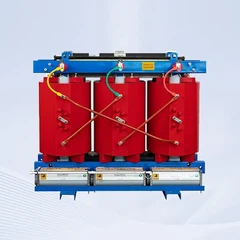
The air - natural cooling system is one of the simplest and most commonly used methods for pole distribution transformers. In this system, the heat generated by the transformer is dissipated into the surrounding air through natural convection. The transformer's core and windings transfer heat to the enclosure, and the warm air rises, creating a natural airflow that carries the heat away.
This cooling method is highly reliable due to its simplicity. There are no moving parts involved, which means fewer components that can fail. It is also cost - effective, as it doesn't require additional equipment such as fans or pumps. This makes it an ideal choice for small - to medium - sized pole distribution transformers, especially those in areas with relatively low ambient temperatures.
However, the cooling capacity of the air - natural system is limited. It may not be sufficient for larger transformers or those operating in high - temperature environments. As the transformer size increases, the heat generated also increases, and natural convection may not be able to dissipate the heat fast enough, leading to overheating and potential damage to the transformer.
Air - Forced (AF) Cooling System
To overcome the limitations of the air - natural cooling system, the air - forced cooling system was developed. In an AF system, fans are used to force air over the transformer's surface, increasing the rate of heat transfer. The fans can be either axial or centrifugal, depending on the design requirements.
The main advantage of the air - forced cooling system is its increased cooling capacity. By actively moving air, it can dissipate more heat compared to the air - natural system. This allows for the use of smaller transformers for a given power rating or the operation of larger transformers in warmer environments. It also provides better control over the cooling process, as the speed of the fans can be adjusted according to the transformer's load and temperature.
On the downside, the air - forced cooling system requires additional electrical power to run the fans. This increases the overall energy consumption of the transformer. Moreover, the fans are mechanical components that are subject to wear and tear, which means they need regular maintenance and may fail over time.
Oil - Immersed Natural (ON) Cooling System
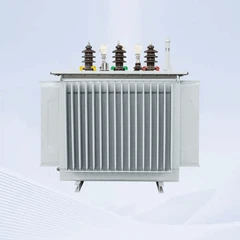
The oil - immersed natural cooling system is widely used in pole distribution transformers. In this system, the transformer's core and windings are immersed in a special insulating oil, which serves both as an electrical insulator and a coolant. The heat generated by the transformer is transferred to the oil, which then rises due to convection and transfers the heat to the transformer tank. The tank, in turn, dissipates the heat to the surrounding air.
One of the major advantages of the oil - immersed natural cooling system is its excellent cooling and insulating properties. The oil has a high specific heat capacity, which means it can absorb a large amount of heat without a significant increase in temperature. It also provides better electrical insulation compared to air, reducing the risk of electrical breakdown.
However, the use of oil poses some environmental and safety risks. If the transformer leaks oil, it can contaminate the soil and water. In addition, the oil is flammable, which requires proper safety measures to prevent fires.
Oil - Immersed Forced (OF) Cooling System
Similar to the transition from air - natural to air - forced cooling, the oil - immersed forced cooling system builds on the oil - immersed natural system. In an OF system, pumps are used to circulate the oil through the transformer more rapidly, and fans or radiators are used to enhance the heat transfer from the oil to the surrounding air.
The oil - immersed forced cooling system offers significantly higher cooling capacity compared to the oil - immersed natural system. It can handle large power transformers and operate in high - temperature environments more effectively. The forced circulation of oil ensures uniform temperature distribution within the transformer, reducing the risk of hot spots.
But, like the air - forced cooling system, the oil - immersed forced cooling system has its drawbacks. It requires additional power to run the pumps and fans, increasing energy consumption. The pumps and fans also need regular maintenance, and any failure in these components can lead to a decrease in cooling efficiency and potential damage to the transformer.
Comparison of Cooling Systems
When choosing a cooling system for a pole distribution transformer, several factors need to be considered. For small - scale applications in mild climates, the air - natural cooling system may be the most cost - effective and reliable option. It is simple, requires no additional power, and has low maintenance requirements.
If higher cooling capacity is needed, especially for larger transformers or in warmer environments, the air - forced or oil - immersed cooling systems are better choices. The air - forced system is relatively less complex than the oil - immersed systems and may be suitable for applications where environmental concerns related to oil are a priority.
On the other hand, the oil - immersed systems, whether natural or forced, offer superior cooling and insulation properties. They are commonly used in medium - to large - sized transformers, especially those in industrial or high - demand areas. However, they require more careful handling due to the potential environmental and safety risks associated with the oil.
Our Product Offerings
As a pole distribution transformer supplier, we offer a wide range of transformers with different cooling systems to meet the diverse needs of our customers. Our 167 KVA Single Phase Pole Mounted Transformer is available with both air - natural and oil - immersed cooling options. The air - natural version is ideal for small - scale residential areas, while the oil - immersed version can handle higher loads and more demanding environments.
We also have Electrical Pole Transformer models that come with advanced air - forced or oil - immersed forced cooling systems. These transformers are designed for commercial and industrial applications where high power and reliable operation are essential.
For those looking for a more traditional yet effective solution, our Oil Immersed Single Phase Pole Mounted Transformer provides excellent cooling and insulation performance. It is a popular choice for many utility companies and power distribution networks.
Conclusion
In conclusion, the choice of cooling system for pole distribution transformers depends on various factors such as the transformer size, power rating, ambient temperature, and environmental considerations. Each cooling system has its own advantages and limitations, and understanding these is crucial for selecting the most appropriate system for a specific application.
If you are in the market for pole distribution transformers and need help in choosing the right cooling system, we are here to assist you. Our team of experts can provide detailed technical advice and guidance to ensure that you get the best - suited transformer for your needs. Contact us today to start the procurement process and let's work together to meet your power distribution requirements.
References
- Electric Power Substations Engineering, Third Edition by Turan Gonen
- Transformer Engineering: Design, Technology, and Diagnostics by G. S. Sidhu
Send Inquiry