





What are the disadvantages of an Amorphous Core Transformer?
Sep 15, 2025
Leave a message
As a supplier of Amorphous Core Transformers, I am well - versed in the ins and outs of this product. While Amorphous Core Transformers have gained significant popularity due to their energy - saving features and environmental friendliness, it's essential to have an honest and comprehensive discussion about their disadvantages. This will help potential customers make more informed decisions when considering these transformers for their electrical systems.
High Initial Cost
One of the most prominent disadvantages of Amorphous Core Transformers is their high initial cost. The production of amorphous alloy, which is the key material for these transformers, involves complex and expensive manufacturing processes. The rapid cooling technology required to form the amorphous structure demands specialized equipment and strict control of production conditions. This drives up the cost of raw materials and manufacturing.
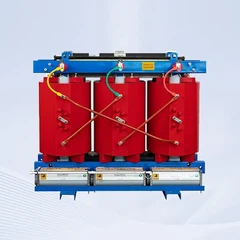
For example, compared to traditional silicon - steel core transformers, the price of Amorphous Core Transformers can be 20% - 50% higher. This significant price difference can be a major deterrent for budget - conscious customers, especially in large - scale projects where multiple transformers are needed. A power distribution company planning to upgrade its substations may find it difficult to justify the higher upfront investment in Amorphous Core Transformers, even though they offer long - term energy savings. Amorphous Core Transformer
Fragility of the Amorphous Core
The amorphous alloy used in these transformers is relatively brittle. During the manufacturing, transportation, and installation processes, the cores are more prone to damage compared to traditional silicon - steel cores. Any mechanical shock or vibration can cause micro - cracks in the amorphous core, which can significantly affect the performance of the transformer.
For instance, if a transformer is dropped or experiences a sudden jolt during transportation, the amorphous core may get damaged. These micro - cracks can lead to an increase in core losses and a decrease in the overall efficiency of the transformer. Moreover, detecting these micro - cracks is not always straightforward, as they may not be visible to the naked eye. This means that even a seemingly minor incident during handling can have long - term negative impacts on the transformer's operation.
Limited Availability of Skilled Maintenance Personnel
Maintaining Amorphous Core Transformers requires a certain level of specialized knowledge and skills. Unlike traditional transformers, which have been in use for a long time and are well - understood by most electrical maintenance technicians, Amorphous Core Transformers are relatively new in the market. As a result, there is a limited pool of skilled maintenance personnel who are familiar with their unique characteristics and maintenance requirements.
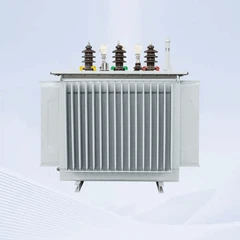
When a problem occurs with an Amorphous Core Transformer, finding a qualified technician to diagnose and repair it can be challenging. This can lead to longer downtime in case of a malfunction, which is a significant concern for industries that rely on a continuous power supply. For example, a manufacturing plant that experiences a transformer failure may have to halt its production until the transformer is repaired, resulting in substantial financial losses. 10kV - 35kV Amorphous Alloy Transformer
Higher Noise Levels
Amorphous Core Transformers tend to produce more noise compared to traditional silicon - steel core transformers. The magnetic properties of the amorphous alloy cause it to vibrate more during operation, which in turn generates a higher level of audible noise. This can be a significant problem in areas where noise pollution is a concern, such as residential neighborhoods or hospitals.
In a residential area, the constant humming sound from an Amorphous Core Transformer can be a nuisance to the residents. It may even violate local noise regulations, leading to potential legal issues for the transformer owner. While some noise - reduction measures can be taken, such as installing sound - insulating enclosures, these additional measures add to the overall cost of the transformer system.
Sensitivity to High - Frequency Harmonics
Amorphous Core Transformers are more sensitive to high - frequency harmonics in the electrical system. In modern power grids, the increasing use of non - linear loads, such as power electronics devices, has led to a rise in high - frequency harmonics. When these harmonics interact with the amorphous core, they can cause additional losses and heating in the transformer.
This increased heating can reduce the lifespan of the transformer and may even lead to premature failure. For example, in a data center where there are a large number of servers and power - conditioning equipment, the high - frequency harmonics generated by these devices can pose a significant threat to the performance of Amorphous Core Transformers. Amorphous Alloy Transformers
Recycling Challenges
At the end of their service life, Amorphous Core Transformers present recycling challenges. The amorphous alloy is a relatively new material, and the recycling technology for it is not as well - developed as that for traditional transformer materials. This means that recycling these transformers can be more difficult and expensive.


In addition, the presence of other components in the transformer, such as insulation materials and oils, further complicates the recycling process. Improper disposal of these transformers can have environmental implications, as some of the materials may be hazardous. As environmental regulations become more stringent, the recycling issue of Amorphous Core Transformers is likely to become an even more pressing concern.
Conclusion
Despite these disadvantages, it's important to note that Amorphous Core Transformers also have many advantages, such as lower no - load losses and reduced energy consumption over the long term. The decision to use Amorphous Core Transformers should be based on a careful consideration of the specific requirements of the application, the budget, and the overall operating environment.
If you are still interested in learning more about Amorphous Core Transformers or are considering a purchase, we encourage you to contact us for a detailed discussion. Our team of experts can help you weigh the pros and cons and determine if Amorphous Core Transformers are the right choice for your project. We are committed to providing high - quality products and excellent customer service to meet your electrical needs.
References
- IEEE Standards Association. (Year). Standards related to transformer design and performance.
- Manufacturer's technical manuals for Amorphous Core Transformers.
- Industry reports on the development and application of amorphous alloy materials.
Send Inquiry