





What are the challenges in the operation of large power transformers?
Sep 12, 2025
Leave a message
As a supplier of large power transformers, I've witnessed firsthand the intricate challenges that come with their operation. Large power transformers are the backbone of electrical power systems, playing a crucial role in stepping up or stepping down voltage levels for efficient transmission and distribution of electricity. However, their operation is fraught with various challenges that need to be carefully addressed to ensure reliable and safe power supply.
Thermal Management
One of the most significant challenges in the operation of large power transformers is thermal management. Transformers generate heat during normal operation due to the losses in the core and windings. These losses are primarily caused by hysteresis and eddy currents in the core and resistive heating in the windings. If not properly managed, excessive heat can lead to insulation degradation, reduced transformer lifespan, and even catastrophic failure.
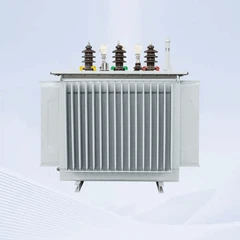
To maintain optimal operating temperatures, large power transformers are equipped with cooling systems. Oil-immersed transformers, which are widely used in high-voltage applications, rely on the circulation of insulating oil to transfer heat away from the core and windings. The oil is then cooled using radiators or heat exchangers. However, over time, the oil can degrade due to oxidation, moisture absorption, and the presence of contaminants, reducing its cooling efficiency. Regular oil testing and maintenance are essential to ensure the proper functioning of the cooling system.
Another aspect of thermal management is the design of the transformer itself. The size and configuration of the core and windings, as well as the choice of materials, can significantly affect the heat generation and dissipation characteristics of the transformer. For example, using high-quality magnetic materials with low hysteresis losses can reduce core heating, while optimizing the winding design can minimize resistive losses.
Insulation Integrity
The insulation system of a large power transformer is critical for its safe and reliable operation. The insulation not only prevents electrical breakdown between the windings and the core but also protects the transformer from environmental factors such as moisture, dust, and chemical contaminants. However, over time, the insulation can degrade due to various factors, including thermal stress, electrical stress, mechanical stress, and aging.
Thermal stress can cause the insulation to expand and contract, leading to cracks and voids that can compromise its integrity. Electrical stress, such as high voltage surges and partial discharges, can also damage the insulation. Mechanical stress, such as vibrations and shocks during transportation and operation, can further exacerbate the problem. Aging is another significant factor that can contribute to insulation degradation, as the insulation materials gradually lose their mechanical and electrical properties over time.
To ensure the insulation integrity of large power transformers, regular insulation testing is required. This includes tests such as insulation resistance measurement, dielectric loss factor measurement, and partial discharge detection. These tests can help detect early signs of insulation degradation and allow for timely maintenance or replacement of the insulation system. In addition, proper installation and maintenance practices, such as using high-quality insulation materials, ensuring proper grounding, and avoiding overloading the transformer, can also help extend the lifespan of the insulation.
Voltage Regulation
Maintaining stable voltage levels is crucial for the efficient operation of electrical power systems. Large power transformers are often used to step up or step down voltage levels, and any fluctuations in the input or output voltage can have a significant impact on the performance of the connected electrical equipment. However, achieving accurate voltage regulation in large power transformers can be challenging, especially in dynamic power systems.
One of the main factors affecting voltage regulation is the load characteristics. The load on a power transformer can vary significantly depending on the time of day, season, and type of electrical equipment connected to the system. For example, during peak demand periods, the load on the transformer can increase significantly, leading to a drop in the output voltage. To compensate for these voltage fluctuations, large power transformers are often equipped with tap changers. Tap changers allow for the adjustment of the turns ratio of the transformer, thereby changing the output voltage. However, tap changers can be complex and expensive, and they require regular maintenance to ensure their proper functioning.
Another factor affecting voltage regulation is the impedance of the transformer. The impedance of a transformer determines the amount of voltage drop that occurs when a load is connected to the transformer. A high impedance transformer will have a larger voltage drop than a low impedance transformer. Therefore, the choice of transformer impedance is an important consideration in the design of power systems to ensure proper voltage regulation.
Overloading and Fault Protection
Large power transformers are designed to operate within specific load limits. However, in some cases, the transformer may be subjected to overloading conditions, either due to unexpected increases in the load or due to improper system design. Overloading can cause excessive heating, insulation degradation, and even damage to the transformer. To protect against overloading, large power transformers are often equipped with overload protection devices, such as thermal relays and current limiters.


In addition to overloading, large power transformers are also vulnerable to various types of faults, such as short circuits, ground faults, and open circuits. These faults can occur due to a variety of reasons, including insulation failure, mechanical damage, and lightning strikes. Faults can cause significant damage to the transformer and can also disrupt the power supply to the connected electrical equipment. To protect against faults, large power transformers are equipped with protective relays and circuit breakers. These devices can detect the presence of a fault and quickly isolate the transformer from the power system to prevent further damage.
Environmental Factors
Large power transformers are often installed in outdoor environments, where they are exposed to various environmental factors such as temperature, humidity, pollution, and seismic activity. These environmental factors can have a significant impact on the performance and lifespan of the transformer.
Temperature variations can cause the insulation and other components of the transformer to expand and contract, leading to mechanical stress and potential damage. High humidity can also cause moisture to accumulate inside the transformer, which can degrade the insulation and promote the growth of mold and bacteria. Pollution, such as dust, dirt, and chemical contaminants, can also affect the performance of the transformer by clogging the radiators and reducing the cooling efficiency.
Seismic activity is another environmental factor that can pose a significant risk to large power transformers. Earthquakes can cause the transformer to vibrate and move, leading to mechanical damage to the core, windings, and other components. To mitigate the effects of seismic activity, large power transformers are often designed and installed with seismic protection measures, such as flexible connections, shock absorbers, and anchoring systems.
Conclusion
In conclusion, the operation of large power transformers is a complex and challenging task that requires careful consideration of various factors. Thermal management, insulation integrity, voltage regulation, overloading and fault protection, and environmental factors are all critical aspects that need to be addressed to ensure the safe and reliable operation of these vital components of the electrical power system.
As a supplier of large power transformers, we are committed to providing high-quality products that meet the highest standards of performance and reliability. We offer a wide range of Single Phase Power Transformer, including 25000kVA Main Power Transformer For Power Substation and 2700kVA 11kv Copper Oil Immersed Power Transformer, designed to meet the specific needs of our customers. Our transformers are built using the latest technologies and materials, and they undergo rigorous testing and quality control procedures to ensure their performance and reliability.
If you are in the market for a large power transformer or need assistance with the operation and maintenance of your existing transformers, please do not hesitate to contact us. Our team of experts is available to provide you with technical support, product information, and customized solutions to meet your specific requirements.
References
- Grover, S. K. (2012). Transformer Engineering: Design, Technology, and Diagnostics. CRC Press.
- Kundur, P. (1994). Power System Stability and Control. McGraw-Hill.
- Rogers, A. (2000). Electrical Insulation in Power Equipment: Degradation and Diagnosis. Institution of Electrical Engineers.
Send Inquiry