





What are the electromagnetic interference characteristics of Distribution Transformers?
Sep 15, 2025
Leave a message
Hey there! As a supplier of distribution transformers, I've been getting a lot of questions lately about the electromagnetic interference (EMI) characteristics of these essential pieces of equipment. So, I thought I'd take a few minutes to break it down for you and give you a better understanding of what's going on inside these transformers.
First off, let's talk about what electromagnetic interference is. In simple terms, EMI is the disruption of an electrical circuit by an external electromagnetic field. This can cause all sorts of problems, from minor glitches in electronic devices to complete system failures. And when it comes to distribution transformers, EMI can be a real headache.
One of the main sources of EMI in distribution transformers is the magnetic field generated by the transformer's core. When an alternating current (AC) flows through the primary winding of the transformer, it creates a magnetic field that induces a voltage in the secondary winding. This is how transformers work, but it also means that the magnetic field can interact with other electrical components in the vicinity, causing interference.
Another source of EMI in distribution transformers is the switching of the transformer's contacts. When the transformer is turned on or off, or when the load on the transformer changes, the contacts can generate electrical arcs. These arcs can produce high-frequency electromagnetic radiation, which can interfere with nearby electronic devices.


So, what are the characteristics of EMI in distribution transformers? Well, one of the most important characteristics is the frequency of the interference. EMI can occur at a wide range of frequencies, from a few hertz to several gigahertz. The frequency of the interference depends on the source of the EMI and the characteristics of the electrical circuit.
Another important characteristic of EMI in distribution transformers is the amplitude of the interference. The amplitude of the interference refers to the strength of the electromagnetic field. The higher the amplitude of the interference, the more likely it is to cause problems in nearby electronic devices.
The duration of the interference is also an important characteristic. EMI can be either continuous or intermittent. Continuous EMI is present all the time, while intermittent EMI occurs only occasionally. The duration of the interference can affect the performance of nearby electronic devices, depending on the type of device and the sensitivity of its components.
Now, let's talk about how we can reduce the EMI in distribution transformers. One of the most effective ways to reduce EMI is to use shielding. Shielding involves enclosing the transformer in a metal box or other conductive material to block the electromagnetic field. This can help to reduce the amount of interference that is emitted from the transformer and prevent it from affecting nearby electronic devices.
Another way to reduce EMI is to use filters. Filters are electronic components that can be used to block or reduce the amplitude of the interference at specific frequencies. By using filters, we can selectively remove the unwanted frequencies from the electrical signal and reduce the amount of interference that is present.
In addition to shielding and filtering, we can also take other steps to reduce the EMI in distribution transformers. For example, we can use low-noise components in the transformer's design, such as low-noise transformers and capacitors. We can also use proper grounding techniques to ensure that the electrical circuit is properly grounded and that any unwanted electrical currents are safely dissipated.
At our company, we take EMI very seriously. That's why we use the latest technologies and techniques to design and manufacture our distribution transformers. We use high-quality materials and components to ensure that our transformers are reliable and efficient, and we test our transformers rigorously to ensure that they meet the highest standards of performance and safety.
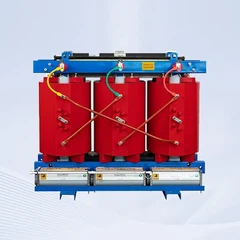
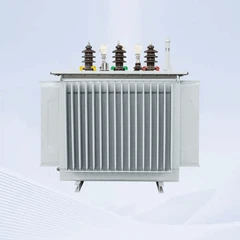
If you're in the market for a distribution transformer, we have a wide range of products to choose from. For example, we offer the S20 200kVA Oil Immersed Distribution Transformers, which are designed for use in a variety of applications, including industrial, commercial, and residential settings. We also offer the S11 400kVA Oil Immersed Transformer, which are known for their high efficiency and reliability. And if you need a larger transformer, we have the 500 KVA 11KV 3 Phase Step Down Power Distribution Transformer, which is ideal for use in large industrial and commercial applications.
If you have any questions about our distribution transformers or about EMI in general, please don't hesitate to contact us. We'd be happy to help you find the right transformer for your needs and to answer any questions you may have. We're committed to providing our customers with the highest quality products and services, and we look forward to working with you.
In conclusion, electromagnetic interference is a common problem in distribution transformers, but it can be managed and reduced through the use of shielding, filtering, and other techniques. At our company, we take EMI very seriously, and we use the latest technologies and techniques to design and manufacture our distribution transformers. If you're in the market for a distribution transformer, we have a wide range of products to choose from, and we'd be happy to help you find the right one for your needs. So, don't hesitate to contact us today and let's start talking about your transformer requirements.
References
- Grover, F. W. (1946). Inductance Calculations: Working Formulas and Tables. Dover Publications.
- Paul, C. R. (2006). Introduction to Electromagnetic Compatibility. John Wiley & Sons.
- Terman, F. E. (1947). Radio Engineers' Handbook. McGraw-Hill.
Send Inquiry