





What are the protection devices for Distribution Transformers?
Sep 23, 2025
Leave a message
Distribution transformers are crucial components in electrical power systems, responsible for stepping down high-voltage electricity to lower, safer voltages suitable for residential, commercial, and industrial use. As a reputable distribution transformer supplier, we understand the significance of protecting these valuable assets to ensure reliable and efficient power distribution. In this blog post, we will explore the various protection devices used for distribution transformers, their functions, and how they contribute to the overall safety and performance of the electrical network.
Overcurrent Protection
Overcurrent protection is essential for safeguarding distribution transformers from excessive current flow, which can cause overheating, insulation damage, and even fire. The most common overcurrent protection devices used for distribution transformers are fuses and circuit breakers.
Fuses
Fuses are simple and cost-effective overcurrent protection devices that consist of a metal wire or strip that melts when the current exceeds a certain threshold. When a fault occurs in the electrical system, the fuse blows, interrupting the current flow and protecting the transformer from damage. Fuses are available in various ratings and types, including current-limiting fuses and expulsion fuses, depending on the specific application and requirements.
Circuit Breakers
Circuit breakers are more advanced overcurrent protection devices that can automatically detect and interrupt excessive current flow. Unlike fuses, circuit breakers can be reset after tripping, making them more convenient and reusable. Circuit breakers are available in different types, including thermal-magnetic circuit breakers and electronic circuit breakers, which use different technologies to detect and interrupt overcurrent conditions.
Overvoltage Protection
Overvoltage protection is necessary to protect distribution transformers from voltage surges and spikes, which can cause insulation breakdown, equipment damage, and power outages. The most common overvoltage protection devices used for distribution transformers are surge arresters and lightning rods.
Surge Arresters
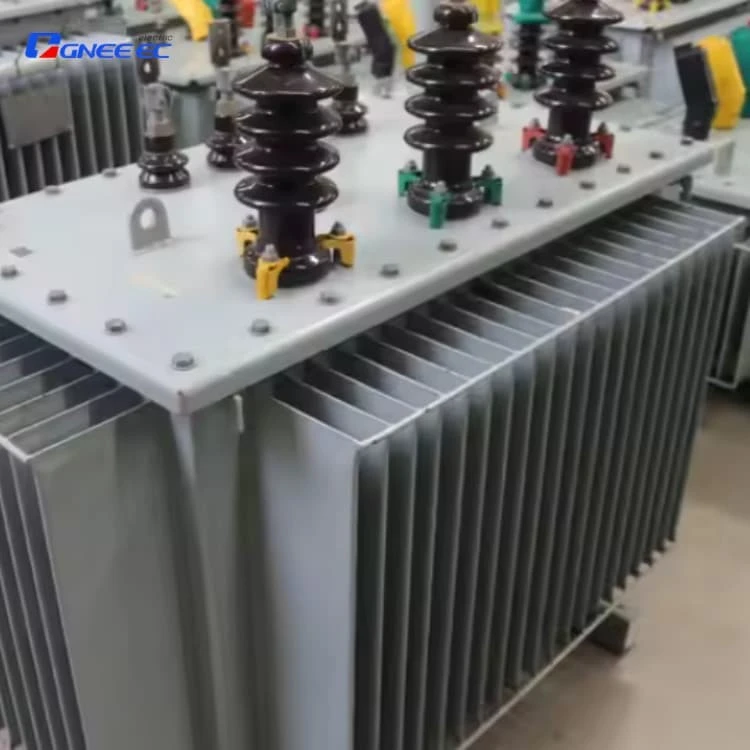
Surge arresters are devices that divert excessive voltage surges to the ground, protecting the transformer from damage. Surge arresters are typically installed at the transformer's high-voltage and low-voltage terminals and are designed to operate quickly and effectively to limit the voltage across the transformer's insulation. Surge arresters are available in various types, including metal-oxide surge arresters and silicon-carbide surge arresters, depending on the specific application and requirements.
Lightning Rods
Lightning rods are devices that protect distribution transformers from direct lightning strikes. Lightning rods are typically installed on top of the transformer or on nearby structures and are designed to attract lightning strikes and conduct the electrical charge safely to the ground. Lightning rods are an essential component of any lightning protection system and can significantly reduce the risk of damage to the transformer and other electrical equipment.
Temperature Protection
Temperature protection is crucial for ensuring the safe and efficient operation of distribution transformers. Overheating can cause insulation degradation, reduced lifespan, and even failure of the transformer. The most common temperature protection devices used for distribution transformers are temperature sensors and thermal relays.
Temperature Sensors
Temperature sensors are devices that measure the temperature of the transformer's winding and oil. Temperature sensors are typically installed inside the transformer's tank or on the winding and are connected to a monitoring system that can alert operators if the temperature exceeds a certain threshold. Temperature sensors can also be used to control the operation of the transformer's cooling system, ensuring that the temperature remains within safe limits.
Thermal Relays
Thermal relays are devices that protect the transformer from overheating by automatically disconnecting the power supply when the temperature exceeds a certain threshold. Thermal relays are typically installed in the transformer's control circuit and are designed to operate quickly and effectively to prevent damage to the transformer. Thermal relays are available in various types, including bimetallic thermal relays and electronic thermal relays, depending on the specific application and requirements.
Oil Level and Pressure Protection
Oil level and pressure protection are essential for ensuring the proper operation of distribution transformers that use oil as a coolant and insulator. Low oil level or high oil pressure can indicate a leak or other problem with the transformer, which can lead to overheating, insulation damage, and even failure of the transformer. The most common oil level and pressure protection devices used for distribution transformers are oil level indicators and pressure relief valves.
Oil Level Indicators
Oil level indicators are devices that measure the level of oil in the transformer's tank. Oil level indicators are typically installed on the side of the transformer's tank and are designed to provide a visual indication of the oil level. Oil level indicators can also be connected to a monitoring system that can alert operators if the oil level falls below a certain threshold.

Pressure Relief Valves
Pressure relief valves are devices that protect the transformer from excessive pressure by automatically releasing the oil or gas when the pressure exceeds a certain threshold. Pressure relief valves are typically installed on the top of the transformer's tank and are designed to operate quickly and effectively to prevent damage to the transformer. Pressure relief valves are available in various types, including spring-loaded pressure relief valves and rupture disk pressure relief valves, depending on the specific application and requirements.
Conclusion
In conclusion, distribution transformers are critical components in electrical power systems, and protecting them from various faults and hazards is essential for ensuring reliable and efficient power distribution. As a distribution transformer supplier, we offer a wide range of protection devices and solutions to meet the specific needs and requirements of our customers. Our products include 100KVA/10KV IEC Standard Oil Distribution Transformer, 380V Low-Voltage Power Electrical Cabinet, and High Quality Copper Winding Material S22 2000kVA Distribution Transformer, all of which are designed to provide reliable and efficient performance in various applications.
If you are interested in learning more about our distribution transformers and protection devices, or if you have any questions or inquiries, please do not hesitate to contact us. Our team of experts is always available to provide you with the information and support you need to make the right decisions for your electrical power system.
References
- Electrical Power Systems: Design and Analysis, Third Edition by Turan Gonen
- Power System Protection and Switchgear by J. Lewis Blackburn
- Transformer Engineering: Design, Technology, and Diagnostics by G. C. Das
Send Inquiry