





What are the requirements for the grounding of an oil - immersed transformer?
Sep 09, 2025
Leave a message
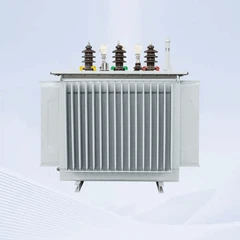
Hey there! As a supplier of oil-immersed transformers, I've dealt with all sorts of questions from customers. One topic that comes up a lot is the grounding requirements for oil-immersed transformers. So, I thought I'd share some insights on this crucial aspect.
First off, let's understand why grounding is so important. Grounding an oil-immersed transformer is like giving it a safety net. It helps protect the transformer, the people working around it, and the electrical system as a whole. When there's a fault, like a short circuit, the grounding system provides a path for the fault current to flow safely into the ground, preventing damage to the transformer and reducing the risk of electrical shock.
Physical Grounding Requirements
Grounding Electrodes
The grounding electrode is the part that actually makes contact with the earth. It needs to have a low resistance to ensure that fault currents can flow easily into the ground. Commonly used grounding electrodes include copper rods, steel pipes, or a combination of both. The electrodes should be driven deep enough into the ground to achieve a good connection. Usually, a depth of at least 2.5 meters is recommended.
Grounding Conductors
These are the wires that connect the transformer to the grounding electrode. The size of the grounding conductor is crucial. It needs to be large enough to carry the fault current without overheating. The National Electrical Code (NEC) provides guidelines on the minimum size of grounding conductors based on the transformer's rating. For example, for a small transformer, a #6 AWG copper conductor might be sufficient, but for larger transformers, a much larger conductor size may be required.
Electrical Grounding Requirements
Bonding
All metal parts of the transformer, including the tank, the enclosure, and any attached metal structures, need to be bonded together. Bonding ensures that all these parts are at the same electrical potential, reducing the risk of electrical shock. The bonding conductors should be securely connected to the metal parts using approved connectors.
Fault Current Calculation
Before designing the grounding system, it's essential to calculate the maximum fault current that the transformer might experience. This calculation takes into account factors such as the transformer's rating, the system voltage, and the impedance of the electrical system. Based on the fault current calculation, the grounding system can be sized appropriately to handle the current.
Installation and Maintenance Requirements
Installation
During installation, the grounding system should be installed correctly. The grounding electrodes should be installed vertically and evenly spaced. The grounding conductors should be routed in a straight line as much as possible to minimize impedance. It's also important to ensure that all connections are tight and free of corrosion.
Maintenance
Regular maintenance of the grounding system is necessary to ensure its effectiveness. This includes checking the integrity of the grounding conductors, the condition of the grounding electrodes, and the connections. Any signs of corrosion or damage should be addressed immediately.
Our Oil-Immersed Transformers
At our company, we offer a wide range of high-quality oil-immersed transformers. For example, our 200KVA Oil Type 3 Phase Distribution Transformer S11 11KV To 415V is designed to meet the highest industry standards. It's reliable, efficient, and comes with a proper grounding system to ensure safe operation.
Another great option is our S22 Oil Immersed Three-phase Double Winding Distribution Transformer. This transformer is known for its excellent performance and durability. We pay great attention to the grounding requirements during the manufacturing process to ensure that it meets all safety regulations.
If you're looking for a smaller transformer, our 75kVA Oil Filled Transformer is a perfect choice. It's compact, yet powerful, and is equipped with a well-designed grounding system.


Conclusion
In conclusion, the grounding of an oil-immersed transformer is a critical aspect that should not be overlooked. It involves physical, electrical, installation, and maintenance requirements. By following the proper grounding guidelines, you can ensure the safety and reliability of your transformer.
If you're interested in purchasing an oil-immersed transformer or have any questions about grounding requirements, feel free to reach out. We're here to help you make the right choice for your electrical system.
References
- National Electrical Code (NEC)
- IEEE Standards for Power Transformers
Send Inquiry