





What is the cooling method of a compact substation transformer?
Jun 05, 2025
Leave a message
Hey there! As a supplier of Compact Substation Transformers, I often get asked about the cooling methods of these nifty devices. So, I thought I'd sit down and write a blog post to share some insights on this topic.
Let's start by understanding why cooling is so important for compact substation transformers. Transformers generate heat during their operation due to the electrical losses in the windings and the core. If this heat isn't properly managed, it can lead to a rise in temperature, which can degrade the insulation materials, reduce the transformer's lifespan, and even cause a complete failure. So, an effective cooling method is crucial to ensure the reliable and efficient operation of the transformer.
1. Air - Natural (AN) Cooling
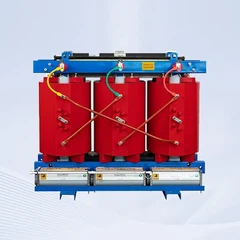
One of the simplest and most common cooling methods for compact substation transformers is air - natural (AN) cooling. In this method, the heat generated by the transformer is dissipated into the surrounding air through natural convection. The hot air around the transformer rises, and cooler air from the surroundings takes its place. This continuous cycle helps in transferring the heat away from the transformer.
The advantage of AN cooling is its simplicity and low cost. There are no additional mechanical components required, which means lower maintenance and fewer chances of mechanical failure. However, it has its limitations. AN cooling is suitable for smaller transformers with relatively low power ratings. As the power rating increases, the amount of heat generated also increases, and natural convection may not be sufficient to keep the transformer at a safe operating temperature.
If you're looking for a compact substation transformer with AN cooling, you might be interested in our 50Hz 60Hz Outdoor European - Style Box - Type Substation. This substation is designed to be efficient and reliable, and the AN cooling method helps in keeping the transformer cool under normal operating conditions.
2. Air - Forced (AF) Cooling
To overcome the limitations of AN cooling, air - forced (AF) cooling can be used. In AF cooling, fans are used to blow air over the transformer's surface. This forced air circulation increases the rate of heat transfer from the transformer to the surrounding air. The fans can be controlled based on the temperature of the transformer, so they only operate when necessary.
AF cooling is more effective than AN cooling, especially for transformers with higher power ratings. It allows the transformer to handle more load without overheating. However, the addition of fans means higher energy consumption and more maintenance requirements. The fans need to be regularly checked for proper operation, and the filters (if any) need to be cleaned or replaced.
Our 100KVA American Type Substation Compact Substation can be equipped with AF cooling for better performance. The forced air circulation ensures that the transformer can operate efficiently even under heavy load conditions.
3. Oil - Immersed Cooling
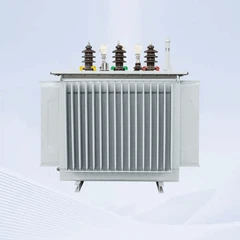
Another popular cooling method for compact substation transformers is oil - immersed cooling. In this method, the transformer's core and windings are immersed in a special insulating oil. The oil not only provides electrical insulation but also acts as a coolant.
The heat generated by the transformer is transferred to the oil, which then circulates through the transformer. The hot oil rises to the top of the tank and is cooled as it passes through a radiator or a cooling coil. The cooled oil then flows back to the bottom of the tank to repeat the cycle.
Oil - immersed cooling is very effective in dissipating large amounts of heat. It is commonly used for medium - to large - sized transformers. The oil also helps in protecting the transformer's internal components from moisture and contaminants. However, there are some drawbacks. The oil needs to be regularly tested and maintained to ensure its quality. There is also a risk of oil leakage, which can be a fire hazard and an environmental concern.
Our 11kV Prefabricated Compact Substation uses oil - immersed cooling for its transformers. This ensures that the transformers can operate safely and efficiently, even in demanding applications.
4. Water - Cooled Systems
In some cases, especially for very large and high - power compact substation transformers, water - cooled systems can be used. Water is an excellent coolant due to its high specific heat capacity. In a water - cooled system, water is circulated through pipes or coils in contact with the transformer's surface or the oil tank. The heat from the transformer is transferred to the water, which is then cooled in a separate cooling tower or heat exchanger.
Water - cooled systems are very efficient in removing heat, but they are also more complex and expensive to install and maintain. There are additional components such as pumps, pipes, and cooling towers, which require regular maintenance and monitoring.
Choosing the Right Cooling Method
When choosing a cooling method for a compact substation transformer, several factors need to be considered. The power rating of the transformer is the most important factor. Smaller transformers can usually get by with AN or AF cooling, while larger transformers may require oil - immersed or water - cooled systems.
The operating environment also plays a role. If the substation is located in a hot and humid area, a more efficient cooling method may be required. The availability of power for fans or pumps in the case of AF or water - cooled systems also needs to be considered.
At our company, we have a team of experts who can help you choose the right cooling method for your specific requirements. We offer a wide range of compact substation transformers with different cooling options to meet the needs of various applications.


If you're interested in purchasing a compact substation transformer or have any questions about our products, don't hesitate to reach out. We're always here to assist you in finding the best solution for your project. Whether it's a small - scale residential application or a large - scale industrial project, we've got you covered.
References
- Electric Power Substations Engineering, Third Edition by Turan Gonen
- Transformer Engineering: Design, Technology, and Diagnostics by George J. Anders
Send Inquiry